
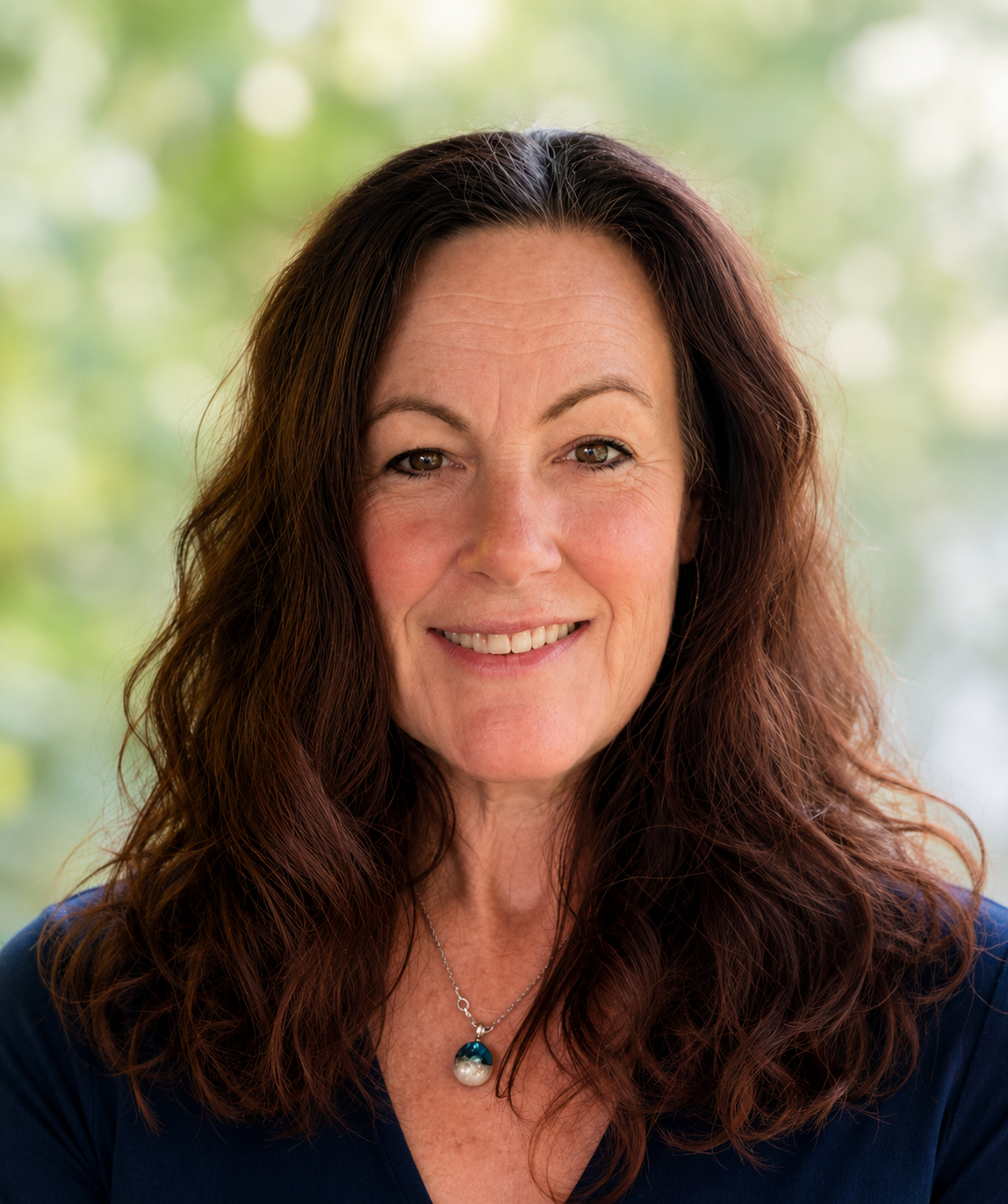
Jen Bayly
Brighton
For more than 25 years, I worked in cardiovascular care.
For more than 25 years, I worked in cardiovascular care.
I was the nurse. They were the patients.
Perhaps that sense of invincibility started much earlier. From a young age, I lived with significant stress and trauma, and my response was to live life at full speed. I travelled, partied, explored the world and grabbed every opportunity for fun.
I also rarely got ill. I was hardly ever off sick and used to joke that I had “the constitution of an ox.” I felt strong. Serious illness happened to other people.
Then I became a nurse, and perhaps that reinforced it further.
I looked after people who were ill. I wasn’t one of them. Until suddenly, I was.
Is this just how women over 50 feel?
Tired. Aching. A fuzzy mind. Poor sleep. Slightly breathless uphill. Overweight, unfit and spending too long working at my desk. Was it ageing, perimenopause, low iron or inactivity? With regular periods and no hot flushes, was I even perimenopausal? I had never been 51. How could I know where normal tiredness ended and illness began?
Sometimes while walking around the park, I noticed a dull, radiating pain deep in my left shoulder. It could happen uphill or on the flat, but not every time. When I stopped, my arm stopped swinging and the pain disappeared. I had previously had a frozen shoulder, so I blamed the movement. In hindsight, it disappeared because I had stopped and rested.
I knew what angina was. I just didn’t know what mine felt like.
Looking back, my body had been warning me. I had exertional discomfort around my left shoulder, but I didn’t feel ill. Everything had another plausible explanation.
How do you know what something is supposed to feel like if you’ve never felt it before?
By late 2024, I could not silence the thought: could this be angina? I knew women can experience less typical symptoms but questioned myself. Was I in denial? Would people think I was a rubbish cardiac nurse if I had a heart attack? I went to my GP and was referred to cardiology. Tests in June 2025 showed a longstanding, complete 100% blockage in my left anterior descending (LAD) artery – a chronic total occlusion (CTO).
The diagnosis was a huge shock. Knowing what it meant made it more frightening. I live alone, and home suddenly felt less safe. I feared a heart attack if I moved. Every twinge or flutter became like a siren in my head. Yet I felt overwhelmingly grateful: there was time to act.
Perhaps the strongest emotion I felt then — and still feel now — is gratitude.
I hadn’t had a heart attack. My heart function was normal, and collateral vessels had helped maintain blood flow to my heart muscle. My body had warned me something wasn’t right, and I had the opportunity to act before a heart attack forced me to.
I know how lucky I am. And I don’t want to waste that warning.
Managing my cholesterol
I’d spent years talking to patients about cholesterol and cardiovascular risk. Before my diagnosis, my UK cardiovascular risk score (QRISK) had been just 3.1%. My LDL had previously been as high as 4.1 mmol/L. LDL means low-density lipoprotein and is often called the “bad” cholesterol. Too much LDL can build up in artery walls—a process called atherosclerosis—and increase the risk of a heart attack or stroke. I had been taking atorvastatin 20 mg since 2023, at my own request, to reduce my risk and had experienced no side effects or problems.
Suddenly, I had established coronary artery disease. I had crossed the line from trying to prevent disease to trying to prevent it from causing a heart attack or stroke.
As a patient, one thought became incredibly important: I wanted to do everything I possibly could to reduce my risk of ever having a heart attack or stroke.
I also had my lipoprotein(a), or Lp(a), checked. My level was 40 mg/dL—below the level usually considered high, although not particularly low. Lp(a) is largely inherited and, at higher levels, can increase cardiovascular risk.
I started aspirin 75 mg and increased atorvastatin to 40 mg. But I developed debilitating fatigue. Walking my dog became difficult, my legs felt heavy and my thinking was foggy. The fatigue delayed cardiac rehabilitation by six weeks and left me unable to work. At first, I assumed this was simply how recovery from the procedure felt. When I reduced the atorvastatin back to 20 mg, within about a week I felt like myself again.
I do not want to put anyone off statins. Many people have no side effects; tolerability is individual. If problems occur, speak to a healthcare professional: another dose, statin or treatment may be possible.
Treatment must work for the person, not just the numbers.
Giving up on lowering my LDL as much as possible wasn’t what I wanted. My LDL was still 3.0 mmol/L, and reducing my future risk mattered enormously. I was grateful to access inclisiran (Leqvio) through primary care — an injectable treatment given twice a year after the initial doses. I’ve had no side effects and have since moved to rosuvastatin 10 mg, which I’m tolerating. Together, this combination has brought my LDL down to around 1.0 mmol/L.
Do I feel physically different because my LDL is 1.0? No. But psychologically, it has made a huge difference.
Discovering that one of my coronary arteries was completely blocked was a massive shock and felt overwhelming. There were many things I couldn’t control, but lowering my LDL was something I could do through treatment and lifestyle changes. Knowing I’m reducing a major modifiable risk factor has helped reduce my health anxiety and given me back a sense of control.
My second life
On 30 June 2025, the expert team at the specialist Sussex Cardiac Centre in Brighton successfully reopened the artery by angioplasty, restoring blood flow through my LAD artery. Afterwards, I felt elated. It was as though my whole body was saying thank you. I had been given a second chance, and I did not want to waste it. The shoulder pain has not returned.
The procedure restored blood flow. What happened next was up to me.
I stopped drinking alcohol. I changed how I eat, dramatically reduced saturated fat, red meat and processed foods, and started eating far more vegetables and whole grains. I’ve lost 13 kg so far.
I walk. I play pickleball. I strength train. And I’m learning to give my own health a place in my life.
For years, work could consume me — whether that was working from home, barely moving from my desk between back-to-back meetings, or long clinic days focused on patients and working late to get everything done.
I knew the prevention messages. I just wasn’t always living them.
I feel incredibly fortunate that my wake-up call came before a heart attack. I can’t change the years before my diagnosis, but in my second chapter I can reduce my risk — combining lipid-lowering treatment with staying active, eating well, sleeping well, seeking calm, enjoying nature and protecting my wellbeing.
What I want other women to hear
I cannot say which tiredness, poor sleep, brain fog or aching belonged to perimenopause, low iron, lifestyle or heart disease. Symptoms overlap. Chest discomfort remains important, but women can also experience breathlessness, tiredness, nausea or discomfort in the shoulder, arm, back, jaw or throat.
Around and after menopause, cholesterol and blood pressure can change and cardiovascular risk rises. Do not dismiss a new or recurring pattern as ageing, stress or menopause. Notice what brings it on and what stops it. Know your numbers: blood pressure, cholesterol and blood sugar.
One quote really resonated with me and empowered me to think differently about the life ahead:
“We have two lives, and the second begins when you realise you only have one.”
All my life, patients and my mum have said, ‘Don’t get old.’ I see it differently: you can be healthy at any age. Don’t wait to become a patient before listening to your body. I want more from life, not less. Living life to the full means something different now. I hope my story helps another woman recognise her pattern sooner.
Prevention isn’t about perfection. It’s about understanding your risk, knowing what you can change — and acting while you still have the opportunity.
I knew that as a cardiac nurse. Now I understand it as a cardiac patient.