Air pollution is the world’s largest single environmental health risk.
Policies and investments supporting cleaner transport, energy-efficient homes, power generation, industry regulation, access to clean fuel and technologies, and better municipal waste management can effectively reduce key sources of air pollution.
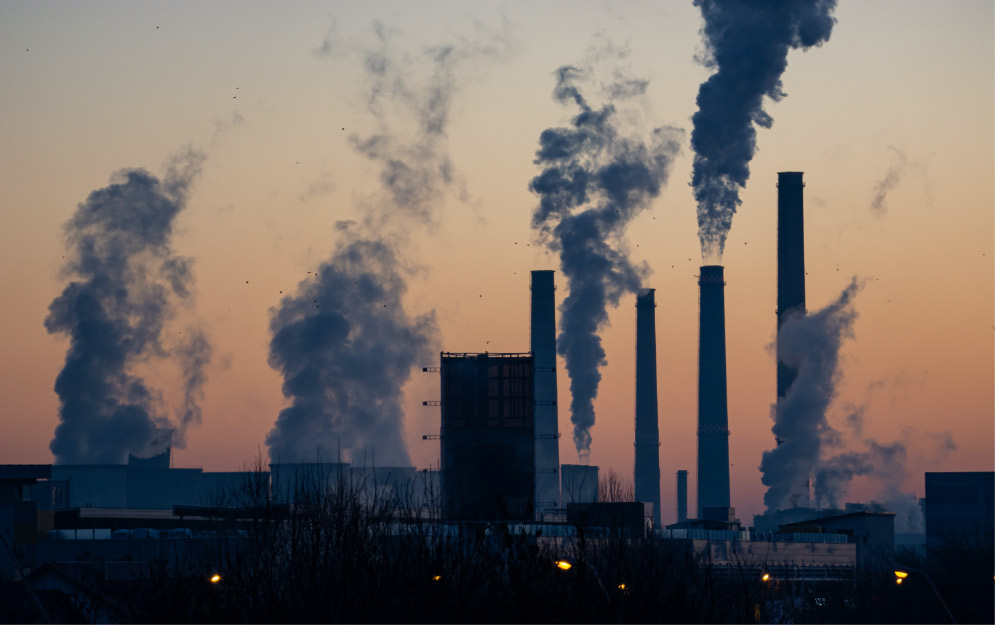
WHF TOOLKIT: ADDRESSING AIR POLLUTION AND CVD
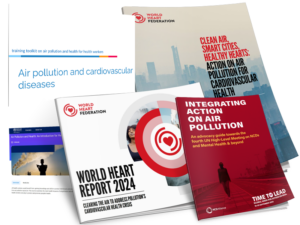
The World Heart Federation has developed the Air Pollution & Heart Health Toolkit, a set of evidence-based resources and ready-to-use materials designed to support policymakers, civil society, and health advocates in addressing one of the leading environmental risk factors for cardiovascular disease.
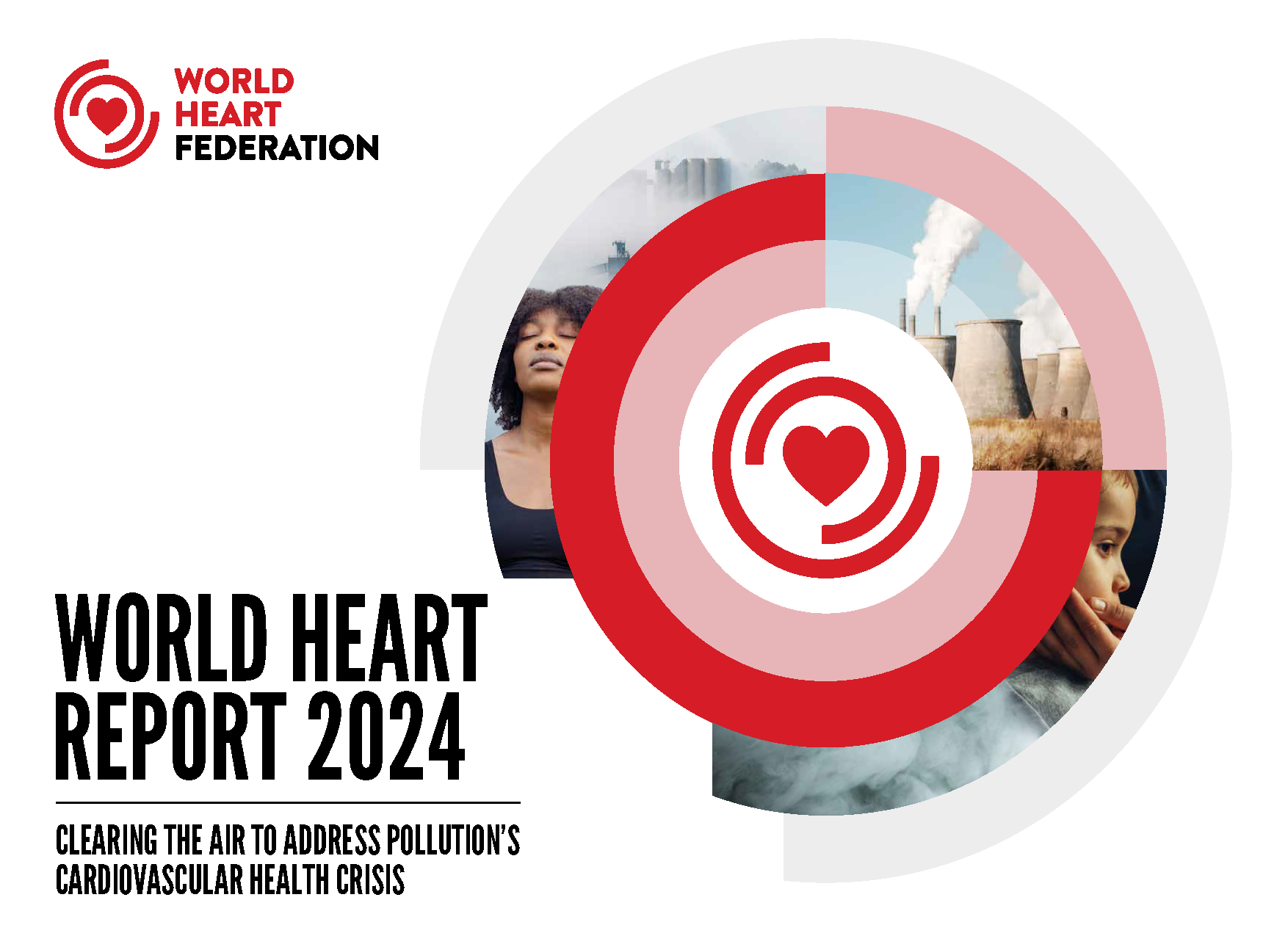
WORLD HEART REPORT 2024
Explore the “World Heart Report 2024: Air Pollution and CVD,” unveiled at the World Heart Summit 2024. This report, led by Dr. Mark Miller, reveals how air pollution—both outdoor and indoor—affects heart health, contributing to over half of the 7 million annual deaths from air pollution. Key strategies include following WHO’s Air Quality Guidelines and reducing fossil fuel use. The findings are gaining international attention, featured in major media and discussed on the BBC World Service.
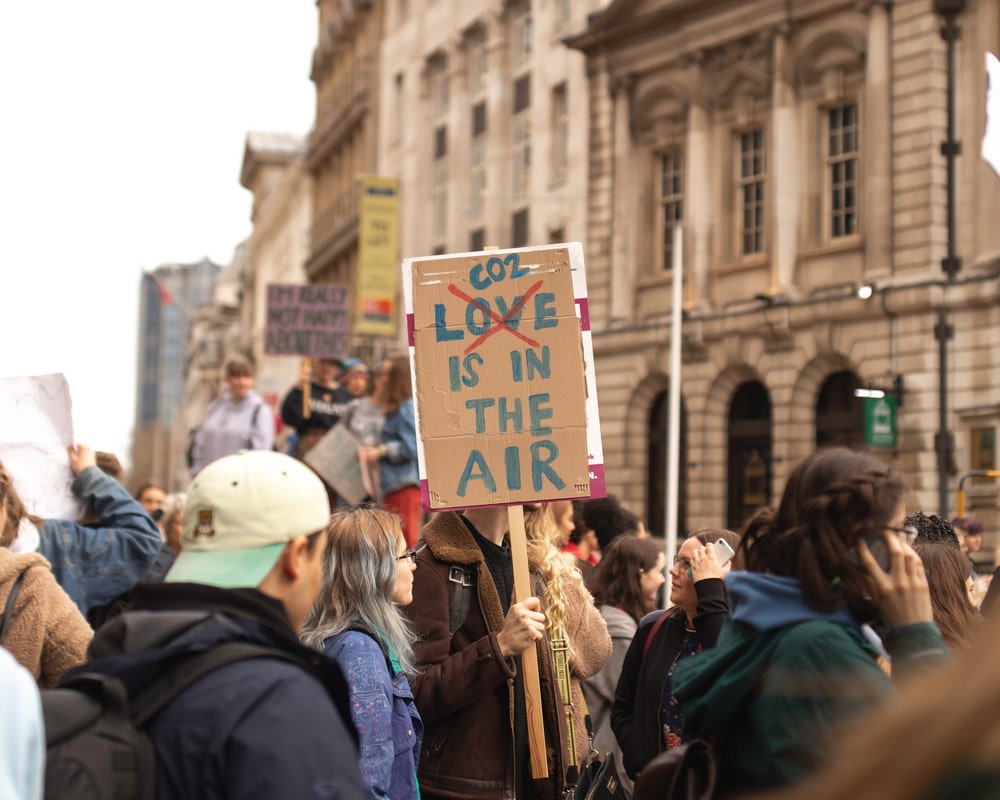
WHF POLICY BRIEF ON AIR POLLUTION
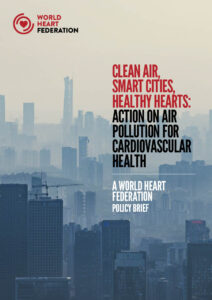
Clean Air, Smart Cities, Healthy Hearts
The WHF Air Pollution Policy Brief highlights the need for policies and investments that support a reduction in air pollution at all levels of society, including cleaner transport, energy-efficient homes, power generation, industry regulation, access to clean fuels and technologies, and better municipal waste management, which can effectively reduce key sources of air pollution.
Air pollution is a key risk factor for cardiovascular disease, and a major contributor to the global burden of disease.
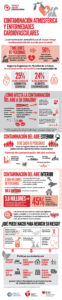
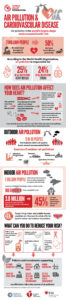
In 2019, an estimated 6.7 million deaths, or 12 percent of all deaths worldwide, were attributable to outdoor or household air pollution. As many as half of these were due to cardiovascular disease. Air pollution also increases the risk of heart attack, stroke, diabetes and respiratory diseases.
Even before the COVID-19 pandemic, air pollution was an issue of growing concern due to its impact on people’s health, although it was frequently overlooked as a risk factor for cardiovascular disease. COVID-19 has brought a new, deadly factor to the equation, and the time has come for the health community to speak up and take action.
Sources of Air Pollution
Common sources of air pollution cut across many sectors and include residential energy for cooking and heating, vehicles, power generation, agriculture/waste incineration, and industry. Exposure to smoke from cooking fires causes 3.8 million premature deaths each year, mostly in low- and middle-income countries. Burning fuels such as dung, wood and coal in inefficient stoves or open hearths produces a variety of health-damaging pollutants, including particulate matter (PM), methane, carbon monoxide, polyaromatic hydrocarbons (PAH) and volatile organic compounds (VOC). Burning kerosene in simple wick lamps also produces significant emissions of fine particles and other pollutants.
Air pollution is a complex and dynamic mixture of numerous compounds in gaseous and particle form, originating from diverse sources, subject to atmospheric transformation and varying over space and time. Three common air pollutants, particulate
matter (PM), ozone and nitrogen dioxide (NO2), are the focus of most monitoring programs, communication efforts, health impact assessments, and regulatory efforts.
Evidence for impacts on cardiovascular disease is most consistent for particulate matter, which is responsible for the vast majority of the disease burden via its impacts on ischemic heart disease, and stroke, as well as lung cancer, COPD, lower respiratory infections, Type 2 diabetes, pregnancy outcomes and related infant mortality. Ozone is mainly associated with exacerbation of respiratory disease, with COPD incidence and mortality and with metabolic effects. NO2 is often used as an indicator of traffic-related air pollution. Chronic exposure to NO2 is associated with incident childhood asthma while short-term variability is associated with exacerbation of asthma and increased daily mortality counts.
How does air pollution affect our hearts?
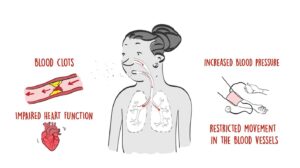
Air pollution increases the risk of CVD largely through particulate matter 2.5 (PM2.5). PM2.5 are tiny particles with various composition of noxious substance that cross the alveolar barrier and either destroy endothelial cells directly or act through endocrine disruption causing either acute coronary syndrome, coronary artery disease and their risk factors such as hypertension, obesity and diabetes.
What are we doing to address air pollution?
The World Heart Federation is committed to reducing the impact of air pollution on people’s health and we have made it a priority area in our global advocacy efforts. We are taking action in three key areas to address the issue of air pollution and CVD: research, advocacy, and education.
Just as it affects all systems of the body, air pollution requires a multi-system and multi-sectoral response. The health sector as a whole, which bears the impact of air pollution, can provide much-needed support for ministries of environment, energy, and transportation, which are traditionally responsible for mitigation efforts. The World Heart Federation is advocating for senior decision-makers in national, regional and global governmental institutions to make air pollution related heart disease a priority and to identify interventions to reduce air pollution and its impact on NCDs.
Yet while structural actions to mitigate pollution emissions are ultimately necessary to reduce harmful exposures, health care providers can play several important roles before such mitigation is achieved. First, clinicians can advocate for air pollution mitigation as a health measure. Second, clinicians can provide patients with personal measures to reduce exposures and associated risk at the individual level. And finally, health care providers can integrate air pollution into disease management approaches. Through its Air Pollution Expert Group, WHF is working with the WHO to increase the development and use of clinical guidelines and toolkits on air pollution and cardiovascular disease to ensure its Members are equipped to counsel their patients on the risks of air pollution, while also supporting educational and policy initiatives to reduce air pollution exposure.
OUR WORK
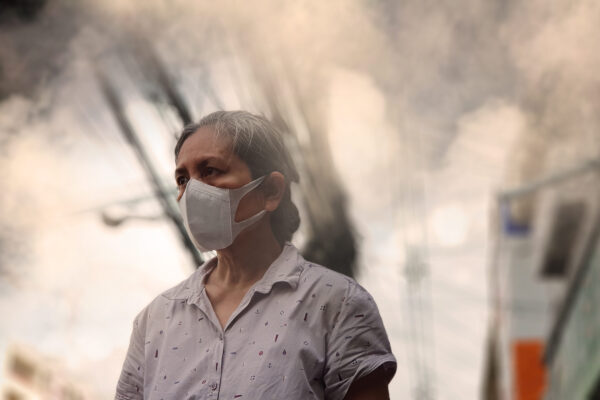
Latest Air Pollution News
From Declarations to Implementation: Bold Measures to Reduce the Cardiovascular Burden
Addressing Pollution to Protect Cardiovascular Health: A Call for Urgent Action on Lead and Air Quality
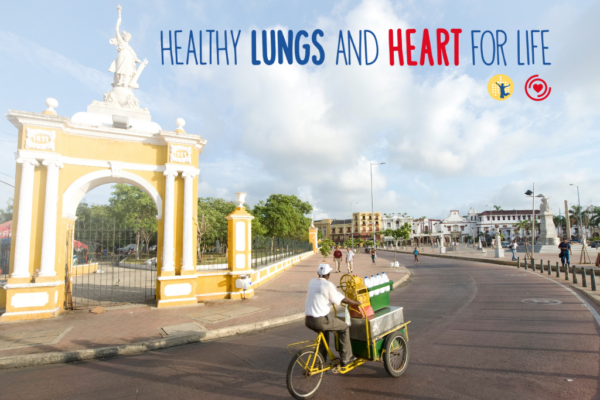
Healthy Lungs and Heart for Life at the WHO Global Conference on Air Pollution and Health
Acting on Pollution for Better Cardiovascular Health

Report warns cardiovascular disease in Africa is a “time bomb waiting to explode”

Framework for resilient and sustainable health systems in the WHO European Region 2025-2030

5th International Day of Clean Air for Blue Skies: Let’s call for urgent global air pollution and health action
Discussing climate change, pollution and health at EB154