
Leaving No One Behind: Prioritizing NCDs in Health Emergencies
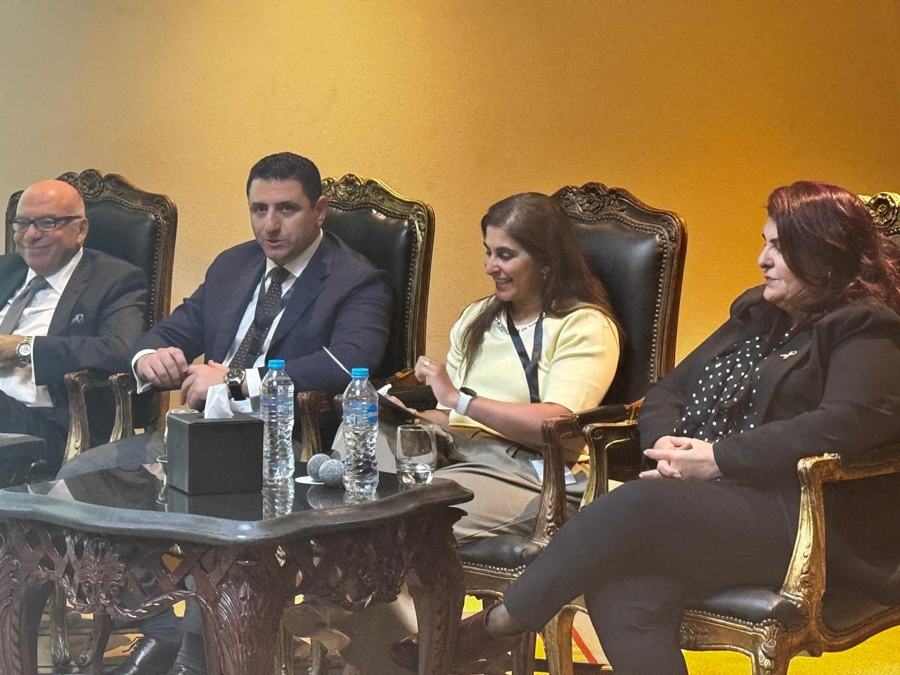
This statement was delivered by Dr. Taskeen Khan, WHF Advocacy Committee representative for EMRO, under Agenda Item 5(b) – Progress Report on Health Issues Facing Populations Affected by Disasters and Emergencies, Including Implementation of the International Health Regulations (2005) – at the Seventy-Third session of the WHO Regional Committee for the Eastern Mediterranean.
Honourable Chair,
Distinguished Delegates,
The Eastern Mediterranean region continues to experience the world’s most complex and protracted emergencies. The region bears a disproportionate share of global humanitarian need, with more than 117 million people requiring humanitarian assistance in 2026.
Noncommunicable diseases, including cardiovascular disease, remain the leading cause of premature mortality in the region, responsible for over 2.8 million deaths each year. People Living with NCDs are particularly vulnerable in emergency settings due to strained health systems and disrupted services. Shifting priorities, unsafe facilities, and limited access to care contribute to preventable NCD-related morbidity and mortality. Evidence indicates that NCD complications occur two to three times more frequently in emergency contexts than in stable settings, with significantly higher rates of premature mortality.
The World Heart Federation urges Member States to:
- Prioritize the needs of people living with NCDs in health emergencies, elevating NCDs within regional and global health security agendas;
- Integrate essential NCD services into emergency preparedness, response, and recovery plans;
- Strengthen primary healthcare and universal health coverage to build resilient systems that provide continuous and equitable NCD care – from diagnosis to treatment and access to essential medicines – including through the implementation of the WHO HEARTS and WHO PEN packages;
- Improve the collection, analysis, and use of interoperable data to inform timely decision-making and response; and
- Implement all relevant regional strategies and frameworks in alignment with the amended International Health Regulations and the WHO Pandemic Agreement.
Once again, we applaud WHO for its indispensable role in responding to emergencies across the region.
Thank you.