
A new definition of heart attack will help improve the diagnosis of women
New global definition recognises different causes of heart attack and introduces clearer, sex-specific diagnostic criteria
Published at the ESC Congress 2026 and developed jointly by the World Heart Federation (WHF), the European Society of Cardiology (ESC), the American College of Cardiology (ACC) and the American Heart Association (AHA), the Fifth Universal Definition of Myocardial Infarction introduces a new clinical classification designed to better reflect the different ways a heart attack can occur and support more accurate diagnosis and treatment.
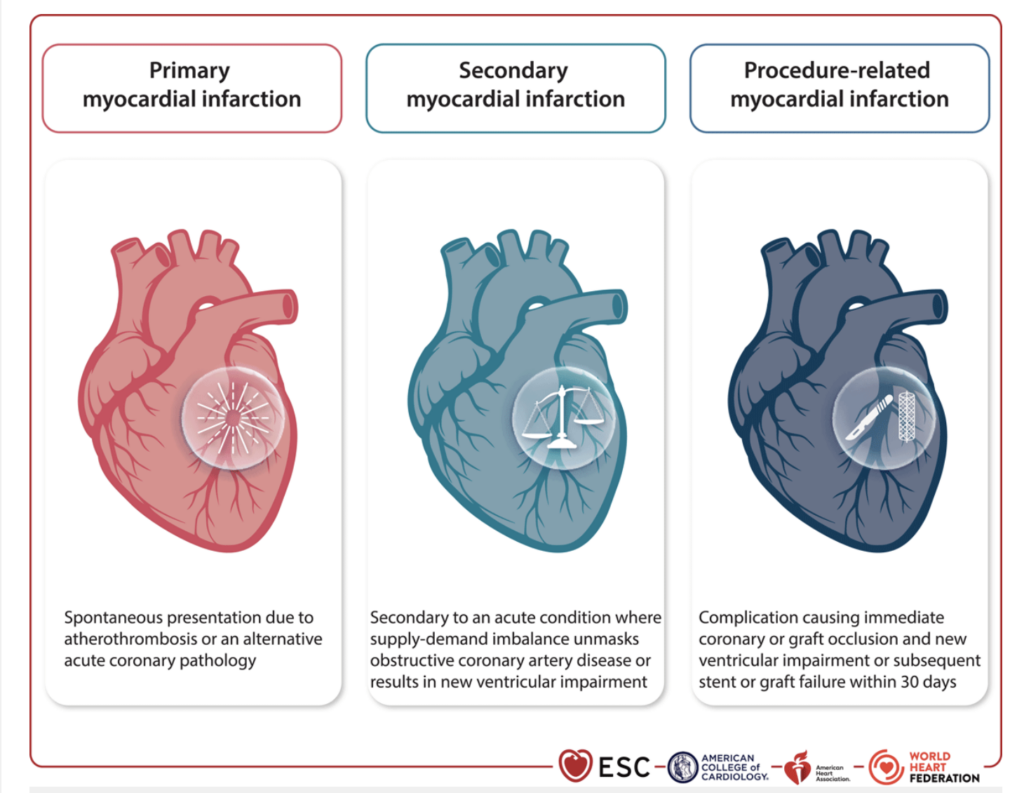
Until now, heart attacks were classified using a numerical system of five types. The new definition replaces this with three clinical categories based on the circumstances and underlying cause of the heart attack. This simpler, clinically focused approach is designed to help healthcare professionals in accurately characterising the event and make more informed decisions about treatment.
The update is particularly important for women. Some causes of heart attack that are more common in women, including spontaneous coronary artery dissection (SCAD), coronary artery spasm and coronary embolism, are now recognised as forms of primary myocardial infarction, alongside heart attacks caused by atherosclerotic plaque rupture and blood clots.
The new definition also reinforces the use of sex-specific thresholds for cardiac troponin, a key blood test used to detect heart muscle injury. Using thresholds that account for biological differences between women and men can help avoid the under-recognition of heart attacks in women.
“A woman who presents with a heart attack is more likely to have a cause that is not related to cholesterol plaque buildup, particularly if they are younger or if their heart attack occurs during pregnancy or after a pregnancy”, said Associate Professor Sarah Zaman, WHF Chair of the UDMI Task Force and co-author of the joint statement. “This new definition will help us recognise some of these female dominant causes, and in this way, we can improve the diagnosis and treatment of these conditions for women.”
Cardiovascular disease remains the leading cause of death among women worldwide, yet women’s heart health has historically been under-recognised, underdiagnosed and undertreated. The new definition of myocardial infarction is an important step towards closing these gaps and ensuring that women receive timely, accurate diagnosis and appropriate care.
Read the full publication in our journal Global Heart: https://globalheartjournal.com/articles/10.5334/gh.1578