
Beats of Change – Heart Valve Disease in Women
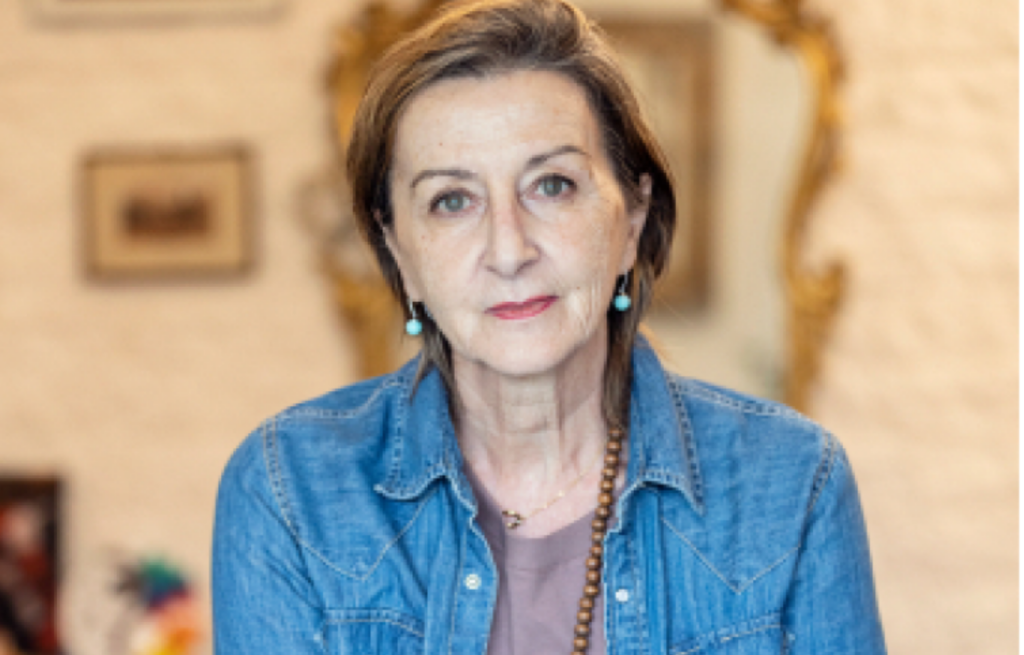
It can begin with something as ordinary as feeling breathless while taking the stairs. But for some, those subtle signs could point to aortic stenosis – the most common form of valvular heart disease treated in developed countries, a potentially fatal condition that can progress with unseen symptoms until it becomes critical.
“For decades, heart disease has sometimes been seen as a ‘man’s disease’. Most of the classic images, campaigns and even early research focused on men,” says Dr Alfredo Marchese, president of the Italian Society of Interventional Cardiology. “As a result, many women, and sometimes even healthcare professionals, underestimate their own cardiovascular risk.”
Aortic stenosis is where the aortic valve opening narrows, which reduces or blocks blood flow between the left ventricle and the aorta, and to the rest of the body. The symptoms of heart valve disease can look similar to other common signs of ageing – shortness of breath and fatigue, for example, meaning symptoms can often be overlooked.
The traditional and most effective treatment for symptomatic severe aortic stenosis is often aortic valve replacement.
Our greatest effort must be to redesign systems that were built around male patterns of disease – Alfredo Marchese, president of the Italian Society of Interventional Cardiology
Affecting millions worldwide, heart valve disease is a growing concern among ageing populations, but its impact on other demographics, such as women, can be frequently underestimated. Women can present with atypical symptoms and are sometimes diagnosed later than men. This delay in diagnosis might limit treatment options and can lead to worse outcomes.
Women’s symptoms, Marchese says, can often be misinterpreted. The symptoms of heart valve disease for women can differ from well-publicised symptoms – jaw pain, nausea and fatigue. And the disease progresses differently for women, meaning therapy outcomes might not be as promising. “Women are more likely to be told that what they’re experiencing is anxiety, musculoskeletal pain, or simply stress,” he says. “To change this, we need more education, both for patients and professionals. Our greatest effort must be to redesign systems that were built around male patterns of disease.”
Emanuela Busi, 66, from Brescia in northern Italy, first thought her symptoms were not so serious. She has had several health problems that have required treatment and had been taking medication for her heart, blood pressure and thyroid going back many years and so feeling tired and out of breath wasn’t such a surprise.what they’re experiencing is anxiety, musculoskeletal pain, or simply stress,” he says. “To change this, we need more education, both for patients and professionals. Our greatest effort must be to redesign systems that were built around male patterns of disease.”
Emanuela Busi, 66, from Brescia in northern Italy, first thought her symptoms were not so serious. She has had several health problems that have required treatment and had been taking medication for her heart, blood pressure and thyroid going back many years and so feeling tired and out of breath wasn’t such a surprise.
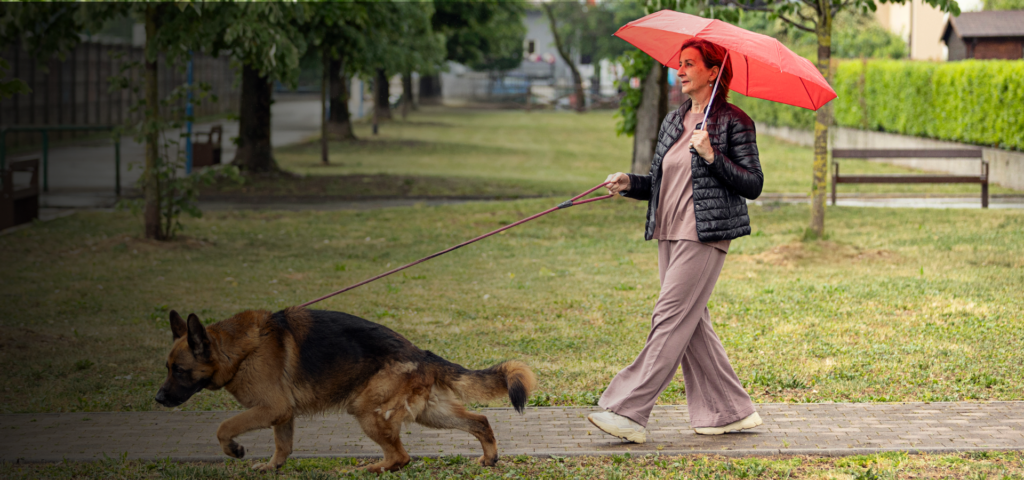
Busi was once an active swimmer and enjoyed walking her energetic eight-year-old German shepherd. But before her diagnosis she had to stop her exercises, and even found climbing the stairs, washing laundry, shopping and carrying bags hard. Despite being active, she thought her shortness of breath was a normal sign of her age, but she “couldn’t even sleep anymore, had to stay sitting and struggled climbing stairs”.
“I waited a couple of months,” she says, from the living room of her home, “then when I saw the situation persisted, I asked my doctor, who is a cardiologist, and that’s when we did the tests.” After Busi described her symptoms, her cardiologist suggested she go for an electrocardiogram, where it was discovered that she had a valve that wasn’t closing properly.
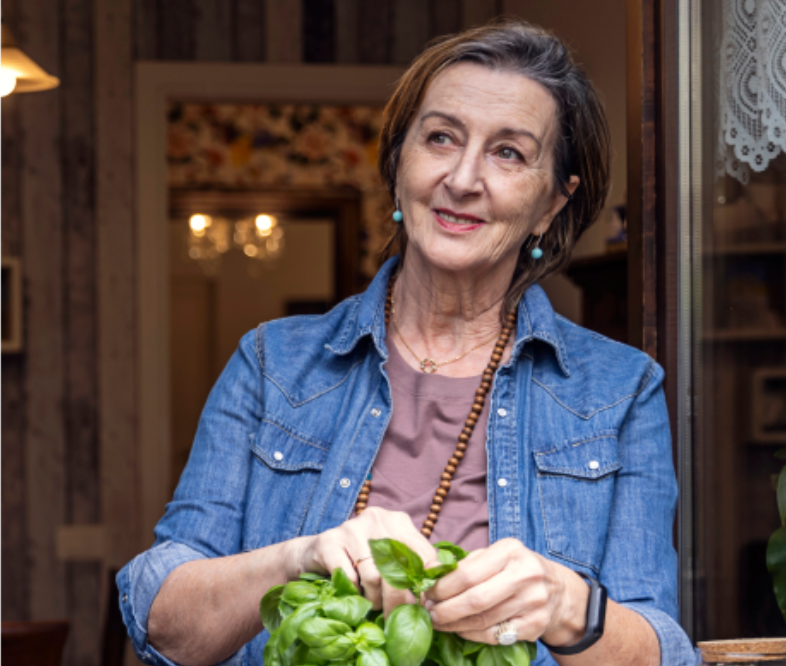
Busi was worried – on both her father’s and mother’s side many relatives had heart problems. “When they told me they would have to operate, I was a bit scared, especially because at first they were talking about open-heart surgery. So I was honestly quite frightened. They called me for further tests to really assess the situation. I had undergone radiotherapy, which damaged my heart valve and aorta, making the transcatheter procedure the better option.”
“The problem is visibility. We invest huge effort in cancer awareness in women, which is essential, but cardiovascular disease has not had the same level of targeted messaging,” Dr Alfredo Marchese explains. “Because of this, women don’t always recognise that chest discomfort, breathlessness or extreme fatigue can be their heart sending an alarm.”
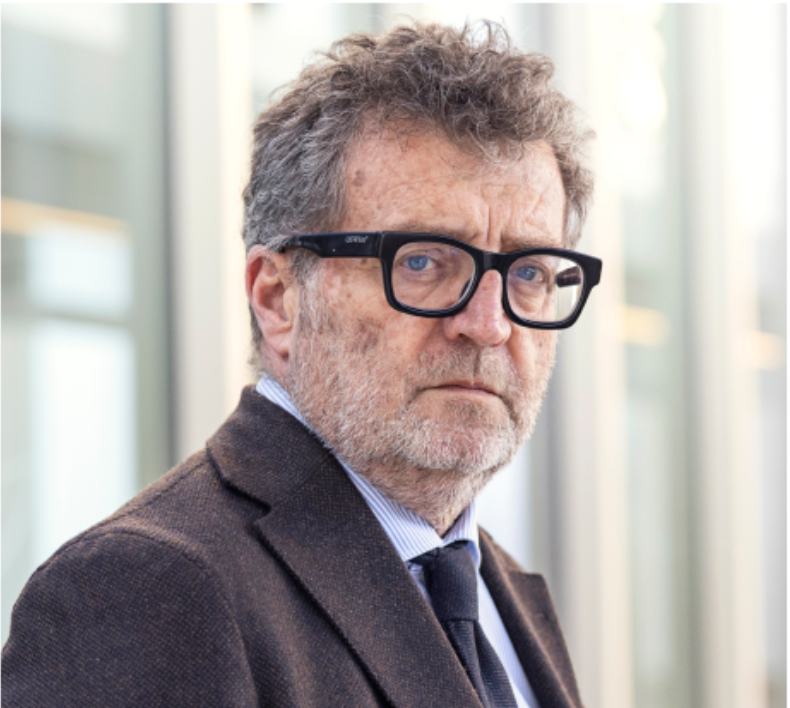
“Even if we’re looking within just one country, there are huge differences in how quickly women get referred for treatment and advanced therapies,” Marchese says. “Improvements are needed to access, preventative measures, awareness and representation in research if we’re going to tackle the issue.”
Busi recovered “very quickly, because with transcatheter aortic valve implantation (TAVI) they went through the groin. It wasn’t open-heart surgery, otherwise I would have needed four or five weeks of rehabilitation,” she says. The valve implantation with TAVI system involves a small incision usually made in the groin, through which the valve replacement is inserted in the groin and pushed up towards the heart.
Systems such as the TAVI can allow doctors to replace a diseased aortic valve without the need for traditional open surgery, which can be a barrier for some older patients or patients with certain conditions, like Busi. “Less invasive treatments allow for older and sometimes frailer women who previously would be considered too ‘high risk’ to be treated, too,” says Marchese. Treatment options depend on individual patients and may involve different approaches, each with potential risks and benefits.
Busi wishes she had the treatment earlier, “before struggling so much”, she says, though is grateful to feel up to her active life once again. Last weekend she finished a 5km race – a “super goal” she had been looking forward to completing. Recovery experiences vary significantly between patients.
Busi continues to see her cardiologist for regular check-ups. “Women often tell me they wish they had understood earlier that treatment doesn’t stop with a stent or a new valve,” says Marchese. “Cardiac rehabilitation, psychological support and long-term lifestyle changes really shape recovery and future wellbeing. In other words, heart disease is not just an “episode” that happens – it becomes a part of one’s health story, and knowing this early could help many women act sooner and with more confidence.”
…heart disease is not just an “episode” that happens – it becomes a part of one’s health story, and knowing this early could help many women act sooner and with more confidence.
Alfredo Marchese
President of the Italian Society of Interventional Cardiology
Despite such medical advances, awareness of aortic stenosis – particularly among women – remains low. In 2025, the European Union set out a health strategy aimed at tackling heart disease generally, but with strategies for addressing the presence of the disease among vulnerable groups, including women.
Heart disease accounts for around 1.7 million deaths each year in the EU and affects millions more, with costs to public health systems and economies running into the hundreds of billions. The strategy is the first EU-wide approach to cardiovascular health, aiming to bring down premature mortality and improve prevention, earlier detection and care. It explicitly commits to supporting targeted actions to reduce cardiovascular disease and related risks among women, recognising that they often face higher risks or worse outcomes due to biological, social or health-system factors.
At the heart of the plan is a network of cardiovascular and diabetes experts that includes medical societies and patient organisations, helping to ensure that initiatives better reflect the needs of vulnerable people, such as women who can be frequently under-diagnosed or undertreated for heart conditions.
“In the long term, these innovations matter only if women are represented in the trials that validate them and if access is equitable. However, technology by itself is not enough, and it must be applied fairly.”
**
This article is intended for general disease awareness and educational purposes only and does not promote any specific product or treatment. Treatment options, including their benefits and risks, should always be discussed with a qualified healthcare professional. Individual patient experiences and outcomes may vary. TAVI may not be available in all countries.
Many people live with heart valve disease without knowing it. If something doesn’t feel right, talk to your doctor and ask for a stethoscope check. Early detection can make a difference. Learn more about the signs of heart valve disease and when to get your heart checked. https://globalhearthub.org/valveweek2025/