
From Commitment to Action: Scaling Up Hypertension Control in the Western Pacific
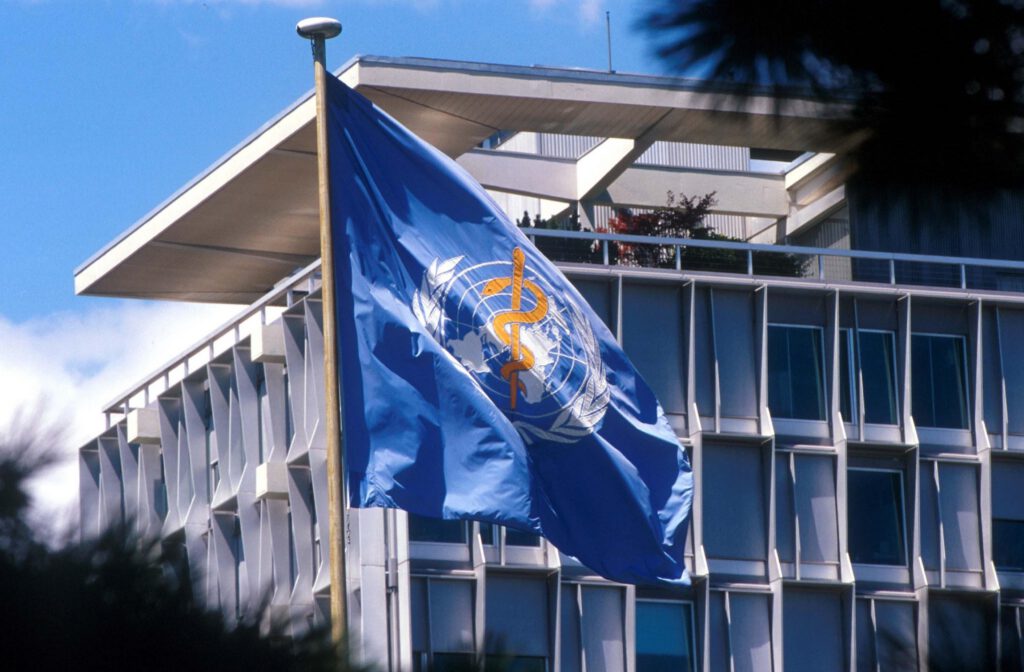
This statement was submitted in written form under Agenda Item 10 – Hypertension Control – at the Seventy-Seventh session of the WHO Regional Committee for the Western Pacific.
Honourable Chair,
Distinguished Delegates,
The World Heart Federation notes with concern that hypertension diagnosis, treatment, and control remain alarmingly low across the Western Pacific Region, with control rates below 20% in several countries and below 10% in some Pacific Island countries and areas.
WHF strongly endorses the ambitious target of bringing an additional 100 million people with hypertension under control by 2029, as a critical milestone towards achieving 50% hypertension control in the Region – through the global 80-80-80 hypertension targets.
Adequately financed, integrated, and people-centred primary health care represents both a critical platform for accelerating hypertension control at scale and a foundation for universal health coverage.
We urge Member States to adopt and implement the Regional Plan. In particular:
- Strengthen PHC and UHC to build resilient health systems that provide integrated, uninterrupted, and equitable cardiovascular interventions, in line with the WHO HEARTS and WHO PEN initiatives;
- Strengthen the hypertension care cascade – from screening to diagnosis, treatment, control, and long-term follow-up – across the life course, from childhood to older age, through robust PHC systems that ensure availability, accessibility, affordability, quality, and equity;
- Expand national UHC benefit packages to provide comprehensive, evidence-based, and cost-effective interventions across the continuum of cardiovascular care, drawing on the WHO NCD Best Buys; and
- Develop or strengthen national cardiovascular health plans to secure sustainable funding and expand access to cardiovascular care – including access to essential medicines and health technologies – drawing on WHF’s Framework for a Cardiovascular Health Action Plan.
In closing, recognising that cardiovascular diseases can emerge in childhood, we also encourage Member States to support the proposed resolution on childhood-onset heart disease at EB160, with a view to its adoption at the next World Health Assembly.
Thank you.