Placing NCDs and Cardiovascular Disease at the Heart of the 2030 Agenda
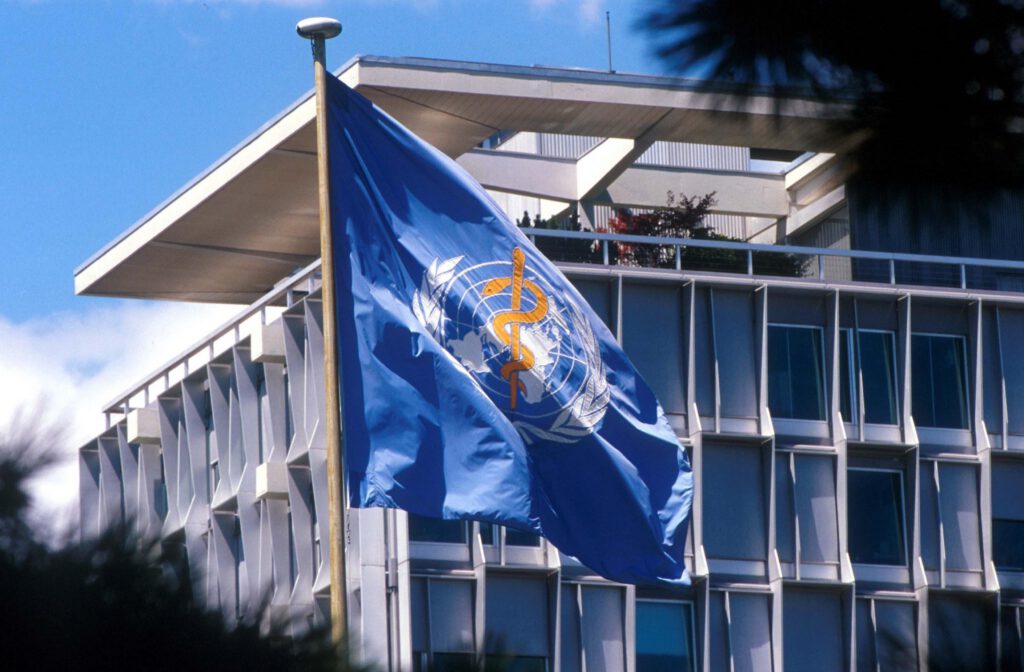
This constituency statement was led and delivered by the World Heart Federation under agenda item 12.6 – Health in the 2030 Agenda for Sustainable Development – at the Seventy-Ninth World Health Assembly.
Honourable Chair,
Distinguished Delegates,
We note with concern that the world is significantly off course to achieve the health-related Sustainable Development Goals, especially targets 3.4 and 3.8.
Noncommunicable diseases – including cardiovascular disease, stroke, cancers, hypertension, diabetes, kidney disease, and other circulatory health conditions – represent the leading cause of death and disability worldwide. Yet, NCDs remain largely underprioritized across global, regional, and national health, financing, and political agendas.
The unequal distribution of NCD incidence, prevalence, and outcomes reflects deep and persistent inequities shaped by social, economic, commercial, geographical, and environmental determinants of health, with consequences that extend across all SDGs. Populations in low- and middle-income countries and disadvantaged groups – including women, children, persons with disabilities, and older persons – face serious barriers across the continuum of NCD care.
The COVID-19 pandemic has further exposed critical vulnerabilities in health systems, public health preparedness, and societal resilience through global health crises. Essential NCD services must be fully integrated into health emergency preparedness, response, and recovery plans to ensure continuity of care through crises, including in humanitarian settings.
Universal health coverage must be built on strong primary healthcare, financial protection, and access to comprehensive, integrated services for NCDs and their main drivers, such as obesity, across the full continuum of care, including prevention, chronic care, essential medicines, diagnostics, and technologies. Strengthening primary healthcare remains essential, as it could deliver up to 90% of the interventions needed to achieve universal health coverage and, if scaled up across LMICs, could save 60 million lives by 2030.
Beyond 2030, SDG target 3.4 should better reflect demographic realities and address NCD-related death and disability across all ages.
Thank you.
This statement is delivered by the World Heart Federation on behalf of…
- Global Alliance for Tobacco Control
- HelpAge International
- International Alliance of Patients’ Organizations
- International Society of Nephrology
- International Council of Nurses
- International Diabetes Federation
- Sightsavers
- World Stroke Organization
- World Organization of Family Doctors
- World Federation of the Sporting Goods Industry
- Global Diagnostic Imaging, Healthcare IT, and Radiation Therapy Trade Association