
Strengthening Cardiovascular Care in Health Emergencies
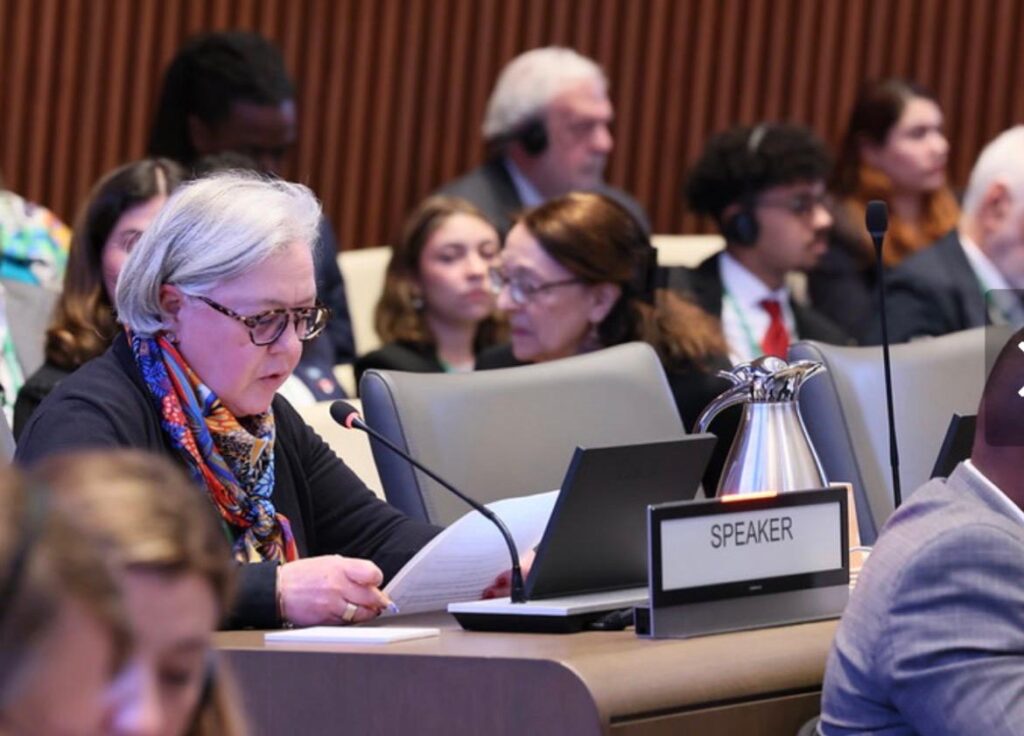
This statement was delivered by Ms. Fernanda de Carvalho, WHF Advocacy Committee representative for PAHO, under Agenda Item 4.2 – Strategy for Strengthening Health Emergency and Risk Management for Health Security 2026-2031 – at the Sixty-Third Directing Council of the Pan American Health Organization & Seventy-Eighth session of the WHO Regional Committee for the Americas.
Honourable Chair,
Distinguished Delegates,
The World Heart Federation welcomes the proposed Strategy and its Resolution.
Across the Americas, natural hazards, epidemics, and complex crises continue to challenge national capacities and regional health security.
Yet noncommunicable diseases, particularly cardiovascular disease, remain too frequently neglected in health emergencies. People living with NCDs and cardiovascular disease face significant challenges in such settings due to strained health systems, disrupted services, precarious living conditions, limited access to essential care, and increased stress, which contribute to preventable morbidity and mortality. Evidence indicates that NCD complications occur two to three times more frequently in emergency contexts than in stable settings, alongside significantly higher rates of premature mortality.
We therefore urge Member States to adopt and implement the proposed Strategy and Resolution, and to:
- Prioritize the needs of people living with NCDs in health emergencies;
- Integrate essential NCD services throughout emergency preparedness, response, and recovery, while elevating NCDs within the regional health security agenda;
- Strengthen primary health care and advance universal health coverage to build resilient and inclusive systems that ensure continuous, comprehensive, people-centred, and equitable NCD care, including during crises; and
- Improve the collection, analysis, and use of interoperable data to support timely decisions and responses.
Thank you.