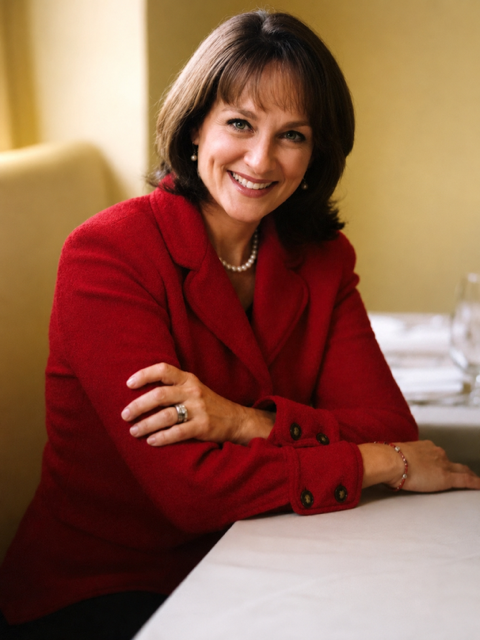
WHF is grateful for our ongoing partnership with Amgen, our World Heart Day sponsor, and for their Heart Heroes nomination of Dr Nancy Snyderman, who we were delighted to speak to about her story.
A retired surgeon, author, and internationally recognized medical journalist who has dedicated her career to improving public understanding of health and disease, Dr Snyderman is a passionate advocate for women’s heart health. Diagnosed with cardiovascular disease in 2025, she draws on both her clinical expertise and personal cardiovascular journey to fight for the early detection and prevention of the disease.
I feel like my history with women’s heart disease has woven in and out over the years and morphed significantly. When I was medical student in the late 1970s, a woman came into the emergency room with nausea and cold sweats. By the time she was seen, her symptoms had resolved and she was given some antacids. She walked into the parking lot and dropped dead. It was my first encounter with this disease and how its symptoms can be missed, dismissed or ignored – especially in women.
My own diagnosis
I was diagnosed with cardiovascular disease myself in the summer of 2025. I didn’t have any symptoms – and still don’t. I’m a medical professional with nearly 50 years in the field. I’m generally fit and healthy and I look well. I’m an avid hiker and still ride horses. I travel the world. My stress tests have been normal. But what I do have is an increasing calcium artery score and stubborn LDL.
All of this is to say that every one of us is at risk of cardiovascular disease. It can affect anybody – and not necessarily who you might think.
When it comes to heart health, advice still tends to be ‘don’t smoke, eat a good diet, and exercise’. That’s nothing new; people know you need to do those things – and its good advice, but sometimes, it’s not enough.
Silent or vague symptoms in women
Women’s hearts are different than men’s and our heart attacks can present differently. The crushing chest pain that men report is not as common in women. The symptoms can be silent, or they can be vague: extreme exhaustion, shortness of breath, nausea and indigestion and pain between the shoulder blades, jaw or upper back. Sometimes they don’t present at all – 50% of women who present with their first heart attack will present with sudden death.
We still live in a society where women’s own healthcare tends to get de-prioritized behind the families they are caring for. A feeling that something isn’t quite right will often go on the backburner, left unchecked. But that leads to undiagnosed heart disease, more risk factors, and worse disease later in life.
My advice to women: put yourself first and get checked
Cardiovascular disease kills more women each year than all the cancers combined, so we need something to change.
My personal quest is for women of all ages to know their cholesterol numbers and their blood pressure levels. Those two bits of information are good indicators of silent heart disease in women – and they can be unearthed through relatively simple and inexpensive tests.
Before being diagnosed, I sensed something was wrong but kept getting assurances that everything was good enough. Well, it wasn’t. If you know your cholesterol numbers are abnormal, you can talk to your doctor about treating the problem. But you can’t do that if you don’t know.
After I got over the shock of my diagnosis, I worked closely with my cardiologist to find the right treatment approach for me, which includes medication to help manage my cholesterol. I am very hopeful that I can slow the progression of my disease and reduce my risk of a heart attack or stroke.
In the meantime, over the next couple of months, I’ll be hiking in Alaska to see fat bears before they hibernate, going glacier hiking in Antarctica, snowshoeing in Norway and then hiking in Chile. I refuse to let this disease stop me. I still want to see the world. And with the right treatment, I’m not going to let it alter who I am.