
Globally, CVD-related deaths are the most common cause of deaths due to smoking – more than pulmonary and other diseases! Conversely, tobacco use and exposure to second-hand smoke exposure remain major causes of cardiovascular disease, contributing to approximately 10% of all CVD deaths around the world – over 1.5 million per year. Urgent action is needed to prevent the predicted 8 million tobacco-related deaths per year that will be reached by 2030.
WHF has long been and remains a fierce global advocate in the fight against tobacco. Our partnership with organisations such as NCDA and FCA, active support of tobacco control initiatives from our members, and publishing and promoting tools like the tobacco roadmap keeps us at the forefront of this ongoing public health challenge. WHF now engages even more directly with all its members and partners through our Tobacco Expert Group (TEG), established in 2018. The TEG serves to guide WHF policy and activities around tobacco control at the global level. Its work is informed by three main objectives:
Raising awareness on the link between tobacco use and CVD
Leveraging healthcare professional communities to make an advocacy impact
Strengthening the voice of WHF by using all relevant platforms

WHF Policy Brief on E-Cigarettes
E-cigarettes: A New Threat to Cardiovascular Health
The WHF Policy Brief on E-cigarettes lays out the negative impacts of e-cigarettes on people’s cardiovascular health and highlights the need for stricter regulation and greater oversight of these harmful products. It provides evidence-based, practical guidance that can be adapted to local contexts.

Tobacco and CVD
- Smoking causes one-tenth of CVD worldwide.
- Globally, tobacco causes some 6 million deaths a year.
- The risk for coronary heart disease is 25 per cent higher in female smokers than in male smokers.
- The risk of a non-fatal heart attack increases by 5.6 per cent for every cigarette smoked and persists even at only one to two cigarettes per day.
- Chewing tobacco more than doubles the risk of heart attack.
- Awareness of links between smoking and cardiovascular disease remains low in many parts of the world: in China, where the risk of stroke is very high, more than 70 per cent of all smokers do not know that smoking increases their risk of having a stroke.
- Smoking bans have been found to decrease the rates of heart attacks; the evidence indicates that smokefree laws are one of the most cost-effective ways to prevent heart attacks.
WHF Advocacy
The following are some of the key activities for WHF advocacy on tobacco control:
Support the development of WHF position papers and disseminate to key policy makers
Deliver draft WHF statements during WHO and other UN meetings/events during FCTC Conference of the Parties (COP)
Facilitate contact between WHF Members and ministries of finance to support the Prevent20
Promote Prevent20 campaign messages and evidence on tobacco taxation as a smart solution for CVD prevention
Develop a policy to ensure that none of our Members accept money from, endorse, enter into partnerships with, nor conduct research in any way related to the tobacco industry and all its allies, including the Philip Morris International-funded “Foundation for a Smoke Free World” to be adopted at the WHF General Assembly
Latest News

Designed to Addict: Newer Tobacco and Nicotine Products Are a Threat to Cardiovascular Health

From Declarations to Implementation: Bold Measures to Reduce the Cardiovascular Burden
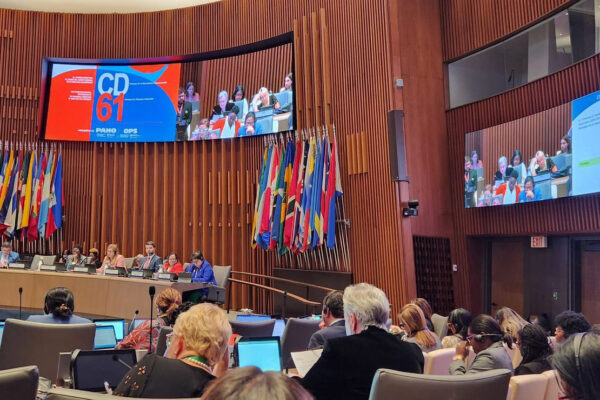
Strategy and plan of action to strengthen tobacco control in the region of the americas 2025-2030