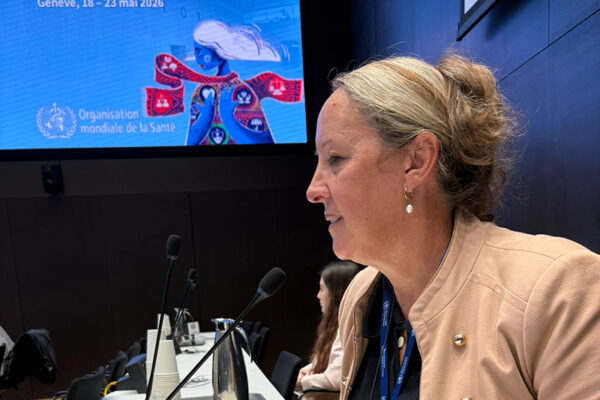
Cardiovascular disease (CVD) is the leading cause of death in women worldwide.
Priority Areas
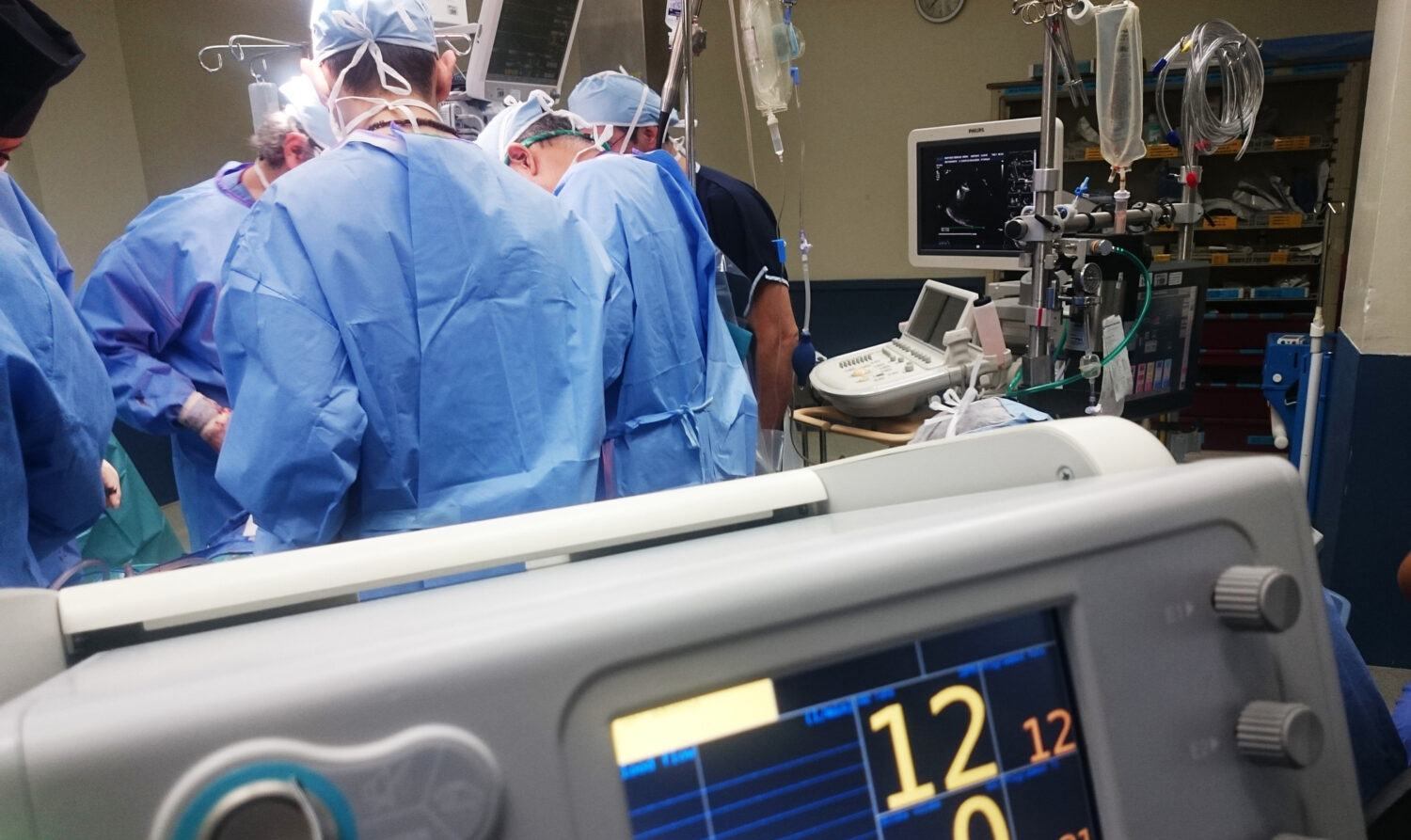
Universal health coverage (UHC)
Advocating for fiscal policies, including taxes on tobacco, alcohol and sugar-sweetened beverages, to help fund UHC.

Air Pollution
Air pollution is a significant risk factor for CVD and as such must urgently be addressed through research, education, and policy change.
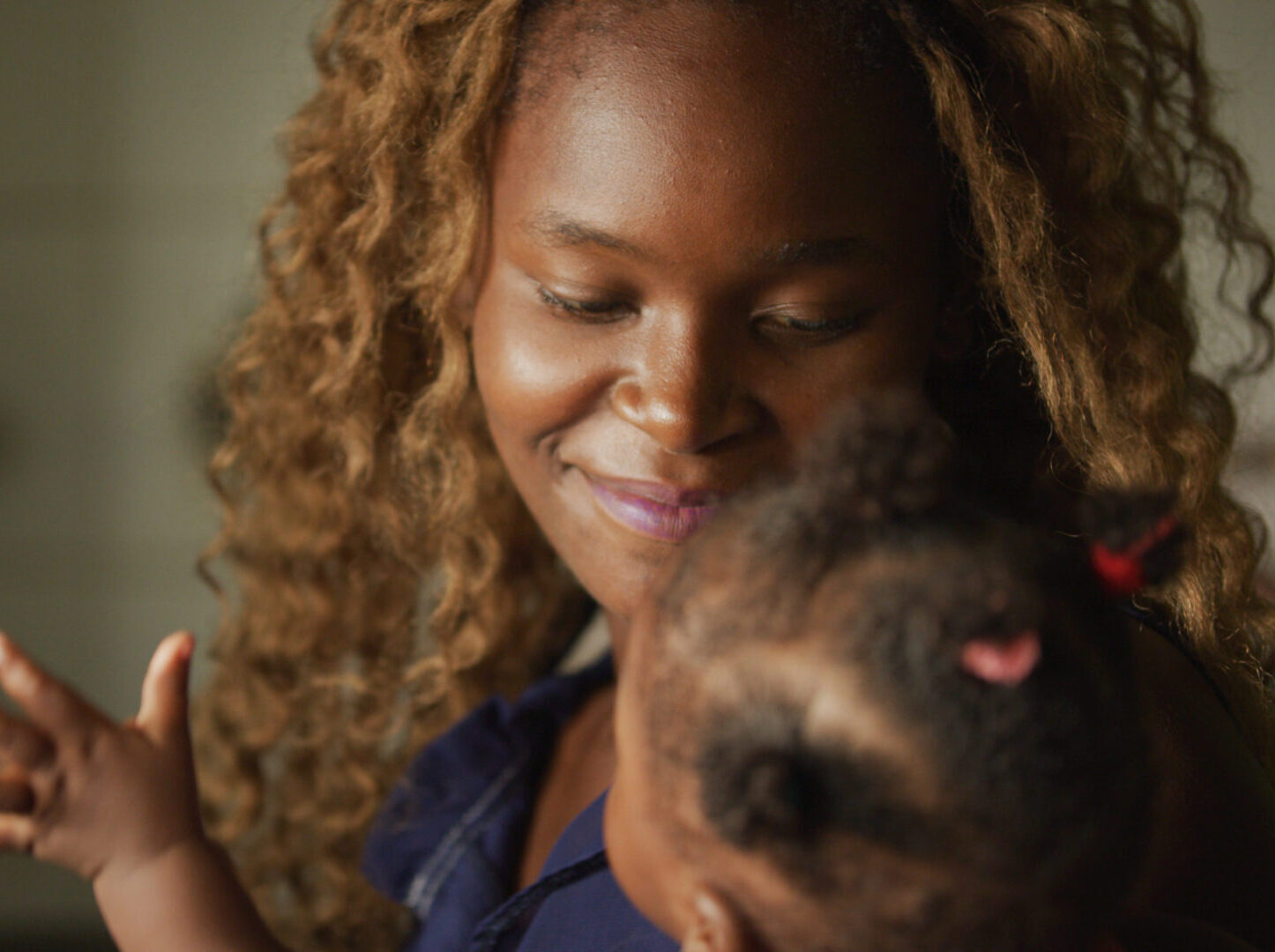
Rheumatic Heart Disease (RHD)
RHD is a preventable, treatable form of cardiovascular disease that affects over 33 million people around the world, chiefly in low-resource settings.

Tobacco
As smoking prevalence continues to climb in the developing world, we are mobilizing the CVD community in the fight against tobacco.
Advocating at the UN
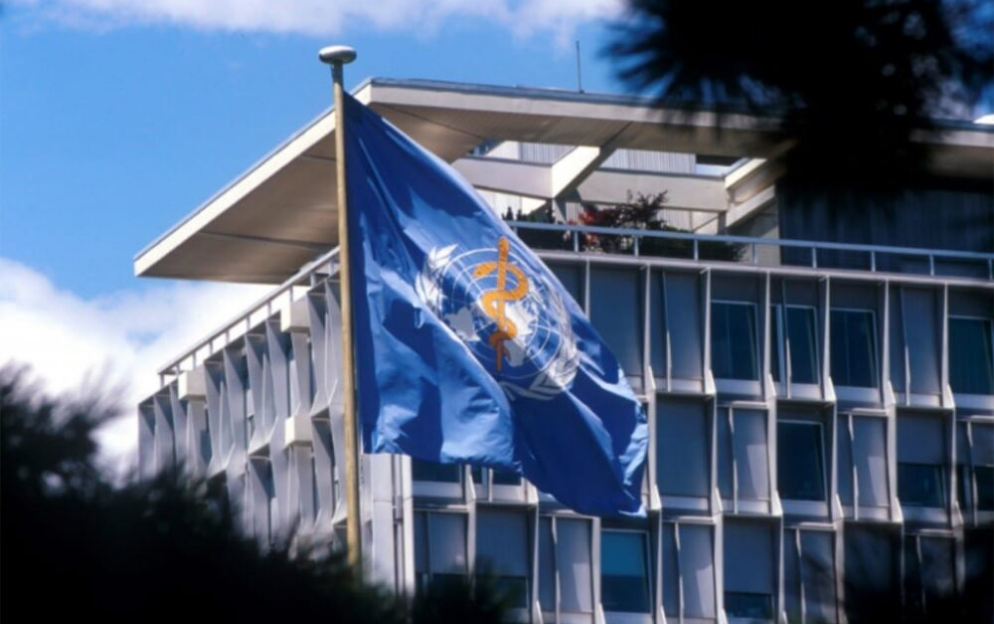
World Health Organisation
WHF is the only organization representing the CVD community in Official Relations with the WHO, the global authority on public health policy.
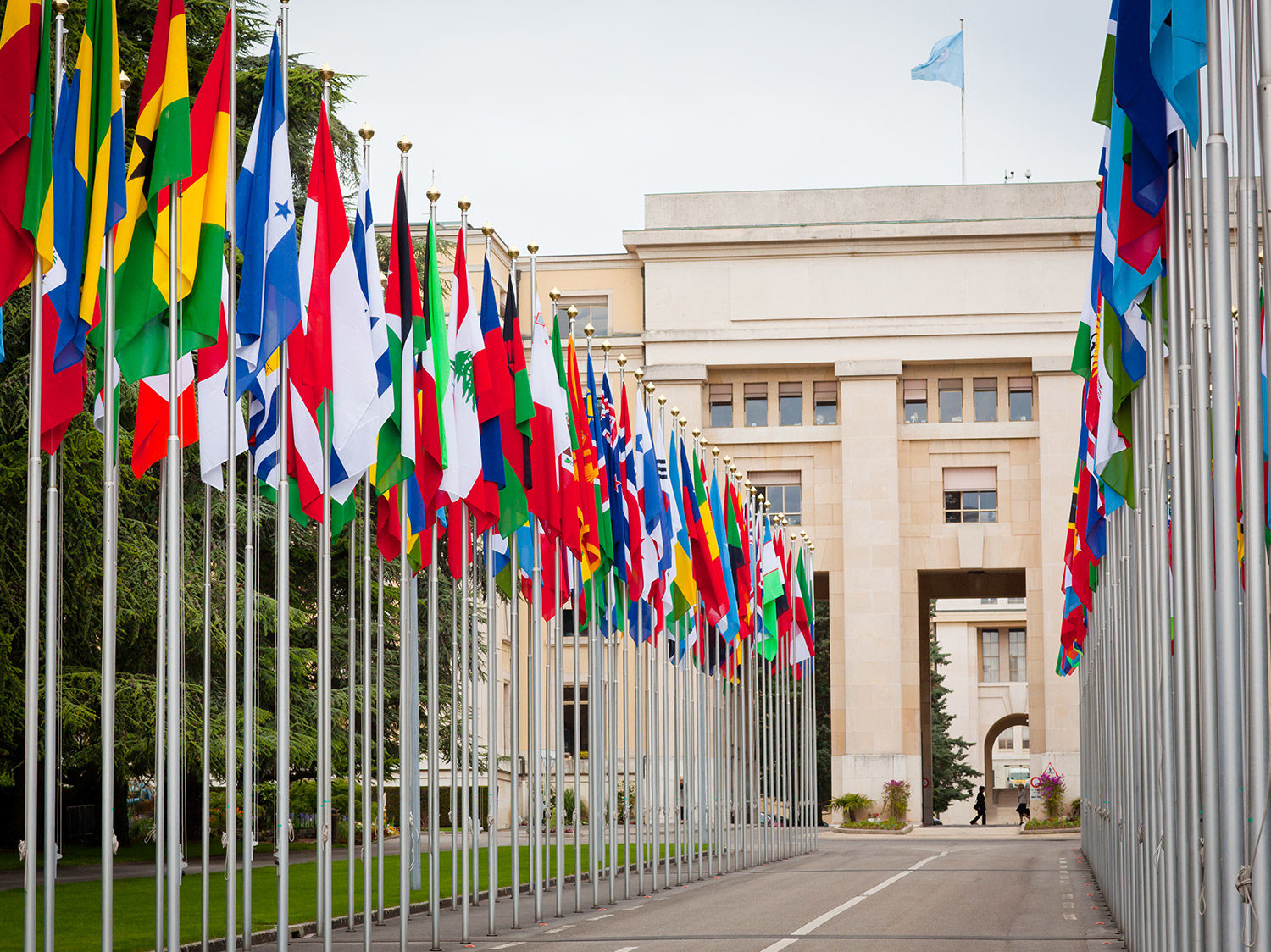
United Nations
Our advocacy experts work closely with the UN, its agencies, and other international bodies to influence global policies, strategies and funding.
Committees and Expert Groups
Advocacy Committee
This Committee is composed of experts representing each WHO Region. It serves to inform and approve science-based policy proposals.
Tabacco Expert Group (TEG)
The TEG supports the development of WHF position papers, external statements, and internal policies to advance progress on global tobacco control.

Air Pollution Expert Group (APEG)
The APEG guides the work of WHF in the area of air pollution and CVD, identifying areas for further research and prioritizing key advocacy objectives.
Global Coalition for Circulatory Health

Uniting for Circulatory Health
The Global Coalition for Circulatory Health brings together international, regional and national stakeholders in circulatory health.
Latest News
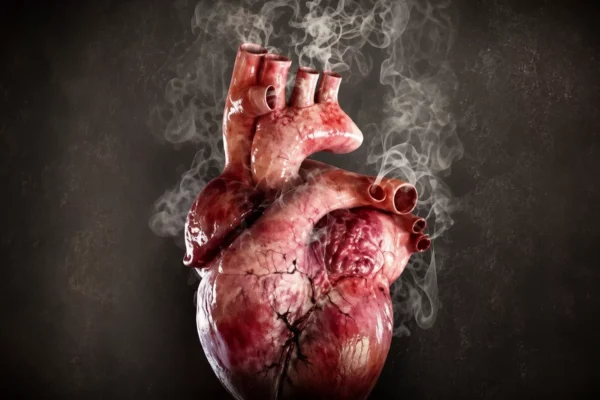
Designed to Addict: Newer Tobacco and Nicotine Products Are a Threat to Cardiovascular Health
WHF calls for stronger action on cardiovascular health at the 79th World Health Assembly
Reframing Rehabilitation for Lifelong Cardiovascular Health
Strengthening Primary Healthcare for NCDs, Mental Health, and UHC
Ensuring Inclusive and Accountable Global Health Architecture Reform
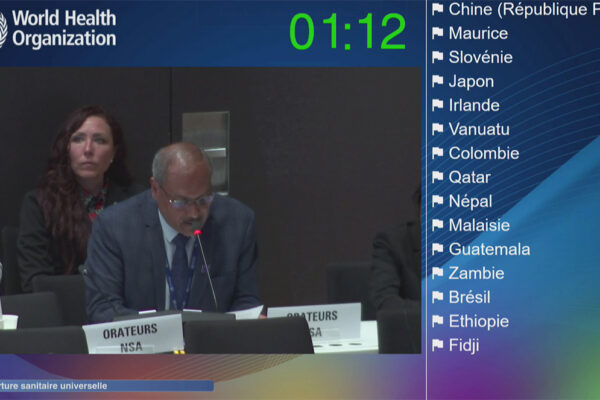
Accelerating Action on Stroke Through a WHO Resolution
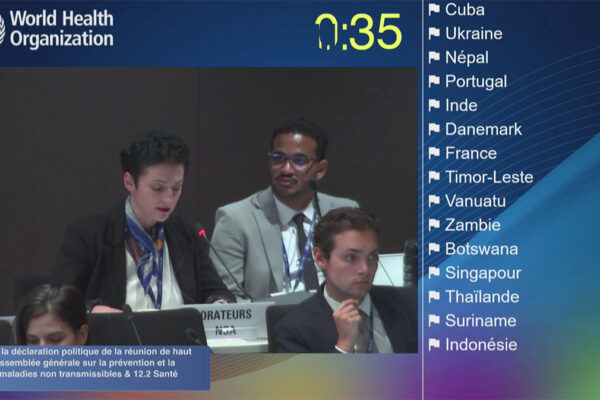
From Declaration to Implementation: Strengthening Circulatory Health in NCD Responses
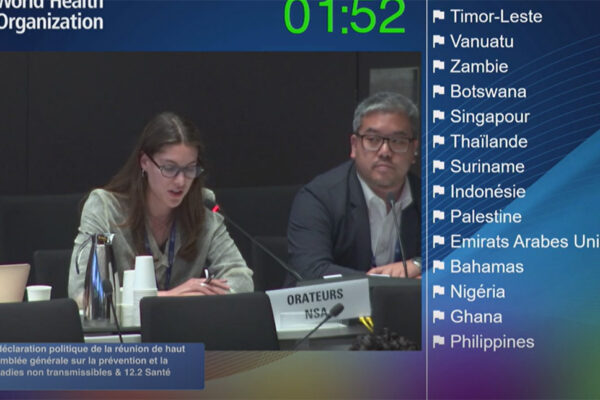
Turning NCD Commitments into Action: Delivering on the 2025 Political Declaration