Le Heart Café accueillera les congressistes avec du café et du thé. Nous vous invitons à vous joindre à nous pour une série de discussions interactives sur des sujets clés dans le domaine des maladies cardiovasculaires, des maladies non transmissibles et de la santé mondiale.
Location: Heart Café Stage – Lounge & Learn, Hall B
SATURDAY, 4 MARCH
SUNDAY, 5 MARCH
MONDAY, 6 MARCH
Up to 50% of patients who are prescribed medication for primary prevention of coronary heart disease, and 34% prescribed medication for secondary prevention, do not adhere to their treatment. Improving adherence to medications can therefore prevent a significant number of unnecessary cardiovascular events and deaths. This session will look at the complexities of improving adherence and how health professionals can help patients better follow their regimens. A special focus will be given to Fixed Dose Combination Therapies. Therapies of statins and antihypertensives, with or without aspirin, administered in a single pill which can dramatically decrease the risk of myocardial infarction and stroke. FDCs, or the polypill, have also been shown to increase adherence to essential preventative cardiovascular medication. Panellists will explore why implementation of FDCs has been slow, despite increasing evidence of their effectiveness and potential to improve adherence and overall outcomes.
Intervenants :
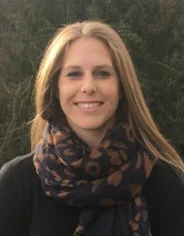
Sarah Kraus
Université du Cap

Fernando Lanas
Universidad de la Frontera

Elijah Ogola
Société panafricaine de cardiologie
Modéré par :
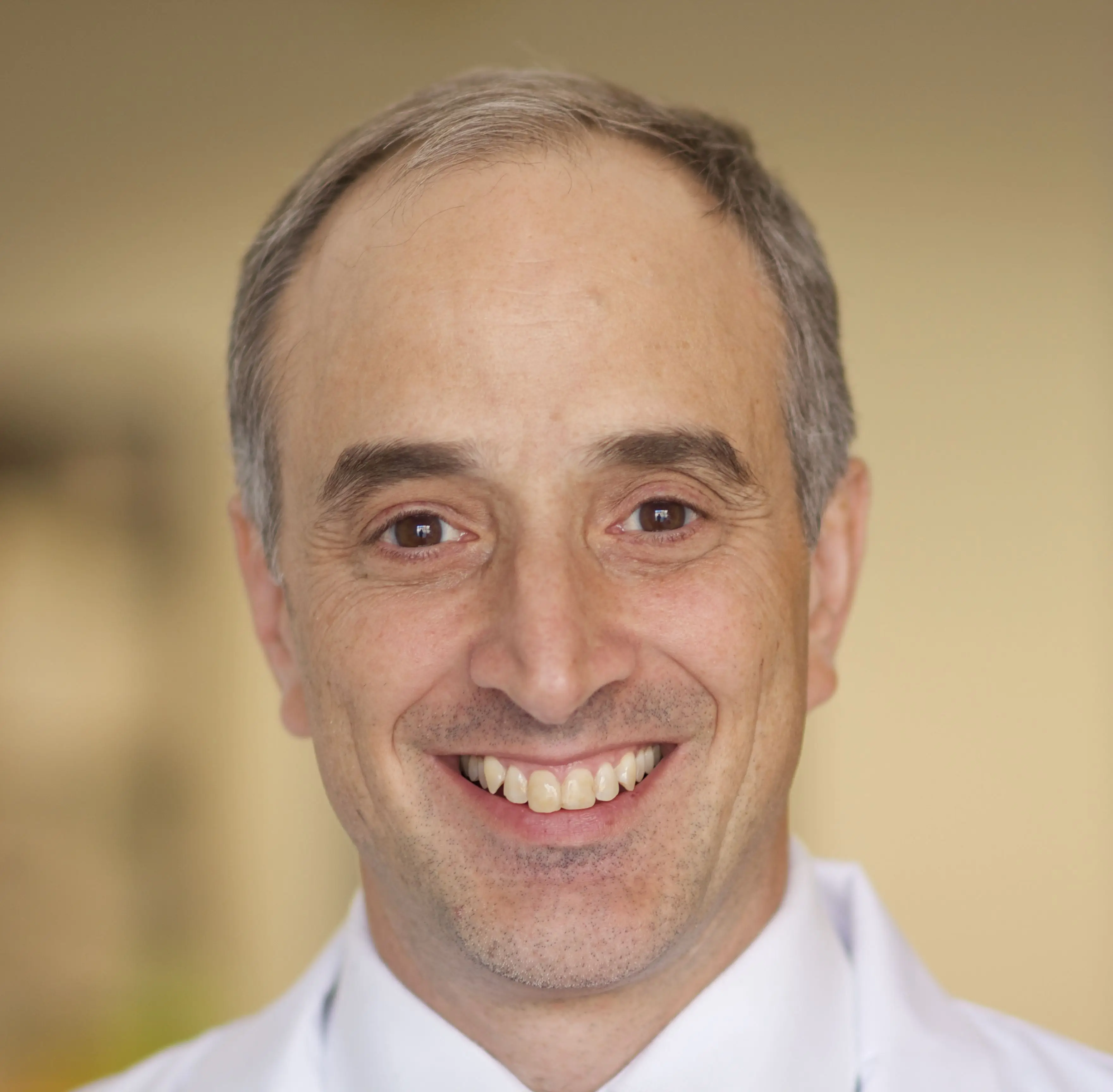
Thomas Gaziano
Fédération mondiale du cœur
Obesity is widely recognised as a major public health issue. Globally, the rates of obesity have been steadily increasing and current projections suggest that nearly 2.7 billion adults may be overweight or obese by 2025. People living with overweight/obesity are at greater risk for cardiovascular morbidity and mortality. Increased body fat, particularly visceral/abdominal fat, is linked to CV risk and CVD via multiple direct and indirect pathophysiological mechanisms. Obesity is a complex condition triggered by interlinking causes, from genetics to dysfunctional food systems, to social deprivation. Despite these complexities, most of the current public discourse places the blame solely on the individual. Instead, a whole-of-society approach is needed to reduce exposures to health-harming commercial actors and activities to create a healthier environment for all. The panel will discuss effectiveness of existing strategies including trans-fat elimination, front of pack labelling, sugar sweetened beverage taxes and highlight areas where more needs to be done.
Intervenants :
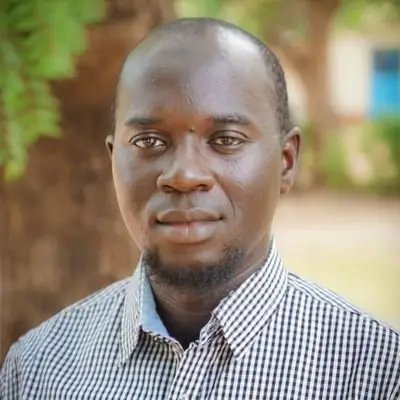
Modou Jobe
École d'hygiène et de médecine tropicale de Londres

Dorairaj Prabhakaran
Fondation indienne pour la santé publique

Philip Schauer
Louisiana State University
Modéré par :
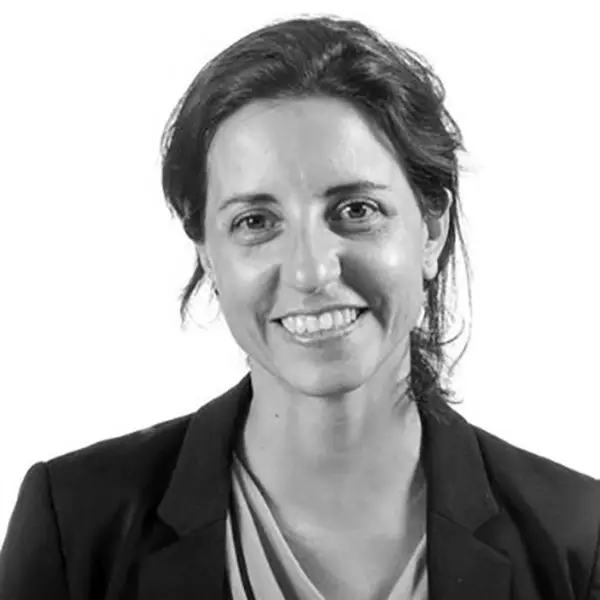
Mariachiara Di Cesare
Université d'Essex
Once entirely confined to Latin America, in the last decades Chagas disease has become an increasingly global public health problem, being detected in Europe, the United States of America, and some countries in Africa, the Middle East and the Pacific due to migration. Around 30% of infected people will develop chagas cardiomyopathy with a significant proportion going on to develop heart failure. Frequently underdiagnosed by health professionals and even cardiologists this session looks at the major knowledge gaps in our management and treatment of chagasic heart failure while discussing where research priorities should lie.
Intervenants :

Luis Echeverria
Fundación Cardiovascular de Colombia

Rachel Marcus
Medstar Union Memorial Hospital
Antonio Ribeiro
Universidade Federal de Minas Gerais

Saate Shakil
University of Washington
Modéré par :
Daniel Piñeiro
Fédération mondiale du cœur
According to the World Health Organization, air pollution causes approximately 7 million deaths every year worldwide, making it the world’s largest single environmental health risk. Approximately half of these deaths are due to heart disease and stroke. Addressing this issue will not only help to contain the rising burden of NCDs and its strain on health systems, but also support the progress towards multiple SDGs and the achievement of Universal Health Coverage by 2030. Join our panel of local and international experts in discussing the cross-cutting impacts of air pollution on heart health and the concrete actions that can be taken at every level to improve air quality.
Intervenants :
Amam Mbakwem
Fédération mondiale du cœur

Andrew Moran
Prendre la résolution de sauver des vies
Dorairaj Prabhakaran
Public Health Foundation India
Modéré par :
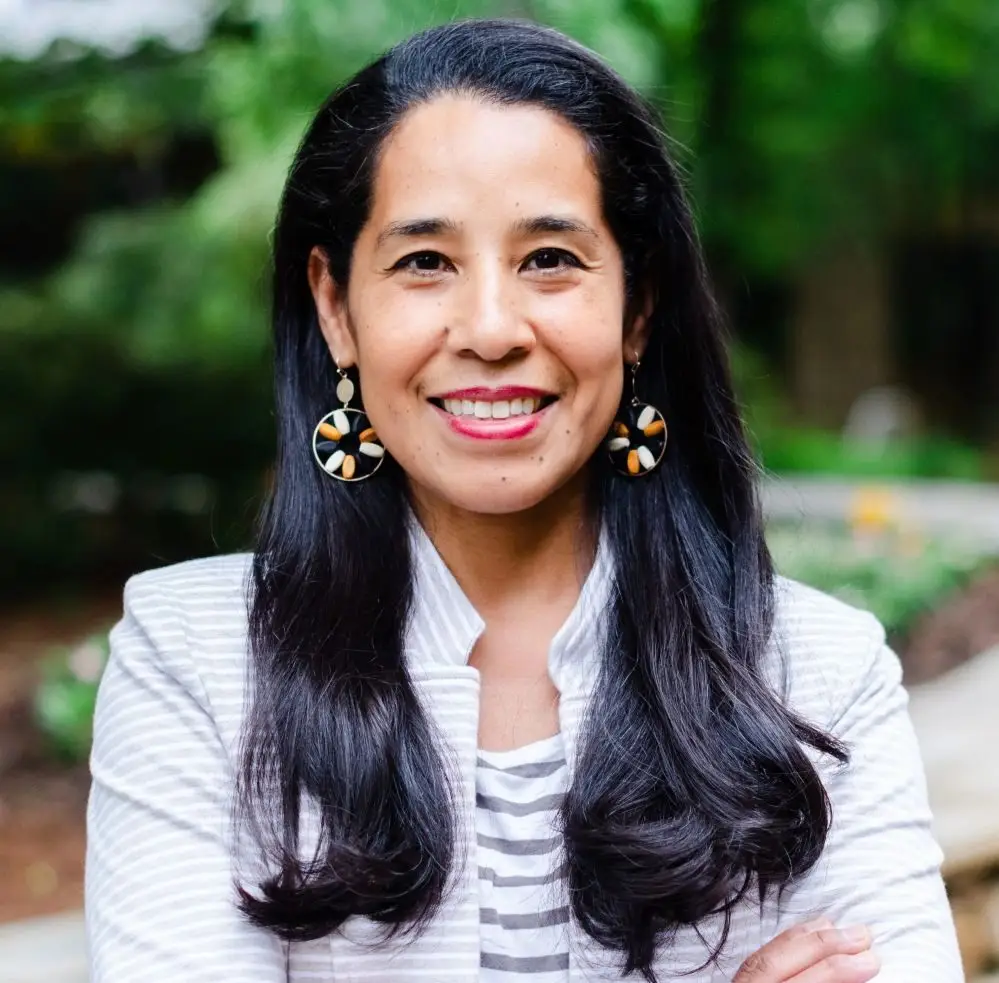
Diana Vaca McGhie
Association américaine du cœur
A growing body of evidence has shown links between respiratory infections (either by influenza or pneumococcal pneumonia) and the incidence of acute myocardial infarction or cardiovascular death. Cardiovascular complications and mortality occur in vulnerable populations during influenza epidemics, which means that patients with chronic cardiovascular diseases are particularly at-risk during this period. The panel of experts discuss the use of influenza vaccination as effective strategy to reduce the incidence of respiratory infections and cardiovascular complications, how health professionals can engage their patients and increase awareness of the benefits of influenza vaccination, and models of care that can facilitate vaccine uptake among at-risk patients.
Intervenants :

Keith Ferdinand
Tulane School of Medicine

Eileen Handberg
Association des infirmières en prévention cardiovasculaire
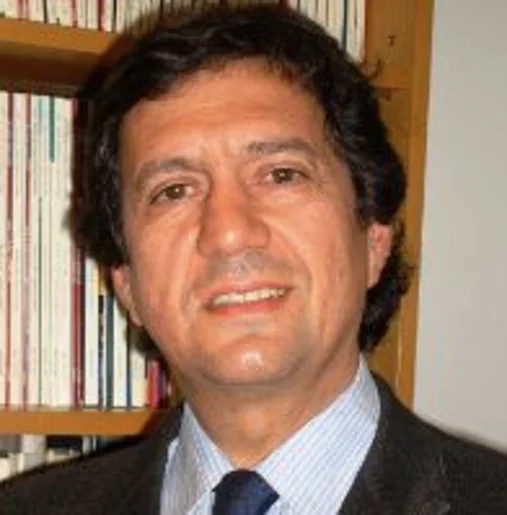
Alvaro Sosa Liprandi
University of Buenos Aires
Modéré par :

Pablo Perel
Fédération mondiale du cœur
CVD remains a leading cause of death in women in many countries. However, it is frequently under-diagnosed, and under-treated. Underrepresentation in research remains a barrier to identifying, managing, and preventing CVD in women. The failure to adequately study CVD in both sexes has led to often sub-optimal management of this group. This places a serious burden on women’s health, threatening the most vulnerable girls, women and communities across the globe. CVD impacts girls and women who are left exposed through persistent social, gender and economic inequalities and overall pervasive inequities in access to health information, appropriate access to care and life-saving technologies.
Intervenants :

Martha Gulati
Cedars-Sinai Heart Institute

Mamas Mamas
Keele University

Erin D. Michos
Modéré par :
Diana Vaca McGhie
The COVID-19 pandemic has had a devastating physical, mental and fiscal impact on the millions of people living with CVD, as they have a higher risk of severe illness and death from SARS-CoV-2. In addition, emerging evidence suggests that surviving an acute episode of COVID-19 could also result in an increased risk of developing cardiovascular diseases. Countries need to take transformative actions to build stronger, more resilient health systems and workforce that can better prevent, prepare for, and respond to future shocks while maintaining essential health services for people affected by CVD. We look at ways health systems can boost their resilience.
Intervenants :
Eileen Handberg
Association des infirmières en prévention cardiovasculaire

Taskeen Khan
Organisation mondiale de la santé
Dorairaj Prabhakaran
Fondation indienne pour la santé publique
Modéré par :

Borjana Pervan
Fédération mondiale du cœur