Son travail repose sur son savoir-faire, mais il est animé par quelque chose de plus profond. Chaque patient qu’elle a soigné, et chacun de ceux qu’elle a perdus, reste gravé dans sa mémoire. Nous gardons chaque patient dans notre cœur.
Le Dr Fabiola Perez Juarez se souvient encore de la première fois où elle a entendu un battement de cœur. Aux côtés de son père, médecin, elle a posé son stéthoscope sur la poitrine d’un patient et a senti que quelque chose avait changé.
« J’avais l’impression d’être dans un endroit encore plus agréable au monde », raconte-t-elle. À partir de ce moment-là, sa voie était toute tracée.
Aujourd’hui, après près de 20 ans de carrière en tant que cardiologue pédiatrique à Mexico, Fabiola aborde chaque interaction avec ses patients avec ce même émerveillement.Mais son parcours n’a pas été facile. Au cours de sa formation, on lui a répété à maintes reprises que la cardiologie n’était « pas un domaine pour les femmes ». Entourée de professeurs masculins, elle a dû faire face au scepticisme et à la résistance. Elle a néanmoins persévéré. « C’était mon rêve », dit-elle simplement. « Alors j’ai continué. »
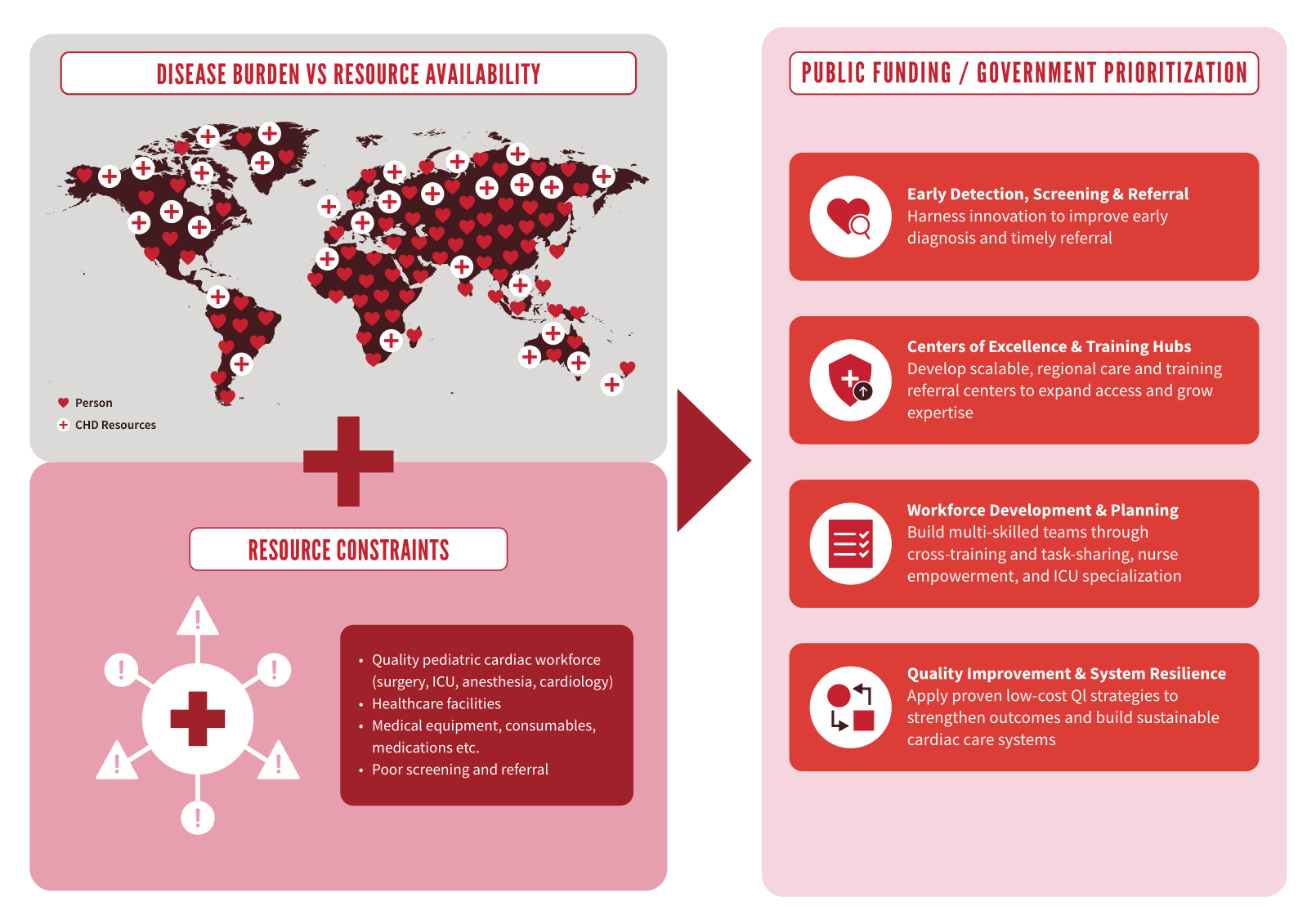
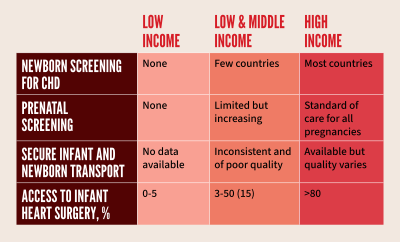
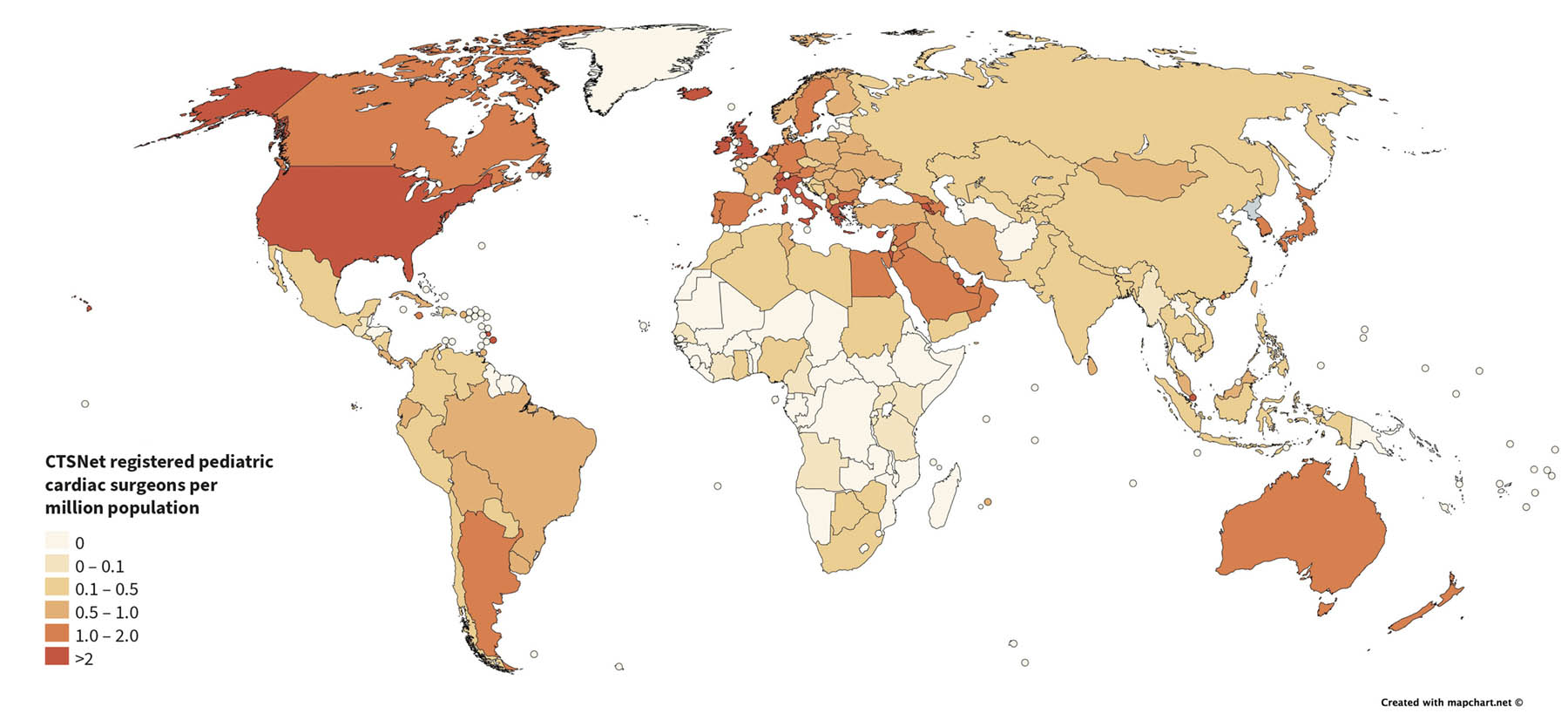
Dans son travail, les enjeux sont considérables. Bon nombre de ses patients parcourent de longues distances pour accéder aux soins, devant composer avec un système de santé fragmenté où l’accès dépend des revenus, de la situation géographique et de la couverture d’assurance.Certaines familles attendent des mois, voire une année, pour une intervention chirurgicale vitale. D’autres arrivent trop tard, n’ayant bénéficié que de peu ou pas de suivi prénatal. Ces réalités pèsent lourdement sur elle.
Et parfois, malgré tout, un enfant ne survit pas.
« Je me souviens de la première fois où j’ai perdu un patient », dit-elle. « J’avais le cœur brisé. » Il n’y a pas de formation pour ce genre de moment. Pas de guide pour savoir comment aider les familles à surmonter leur chagrin, ni comment vivre avec le souvenir d’un enfant qui aurait dû vivre. « Personne ne nous apprend à vivre avec la perte d’un patient. »
Et pourtant, c’est précisément cette profondeur d’émotion qui caractérise son approche. Fabiola ne considère pas ses patients comme de simples dossiers. Elle les voit grandir. Elle les voit revenir des années plus tard, leurs propres enfants dans les bras. « Aucune somme d’argent ne peut remplacer ce sentiment », dit-elle.
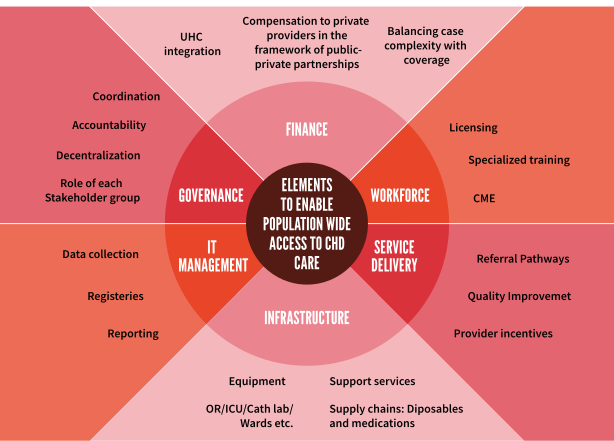
Elle contribue également à façonner l’avenir des soins au Mexique, en accompagnant la transition des patients vers les programmes émergents dédiés aux cardiopathies congénitales chez l’adulte et en collaborant avec les pouvoirs publics, les hôpitaux privés et les fondations afin de réduire les obstacles. Pour Fabiola, l’objectif est clair : « Les soins de santé devraient être les mêmes pour tout le monde, quels que soient les revenus ou le lieu de résidence. »