
Statement by the World Heart Federation, commenting on the passage of the Fourth United Nations Political Declaration on Noncommunicable Diseases and the Promotion of Mental Health and Well-being
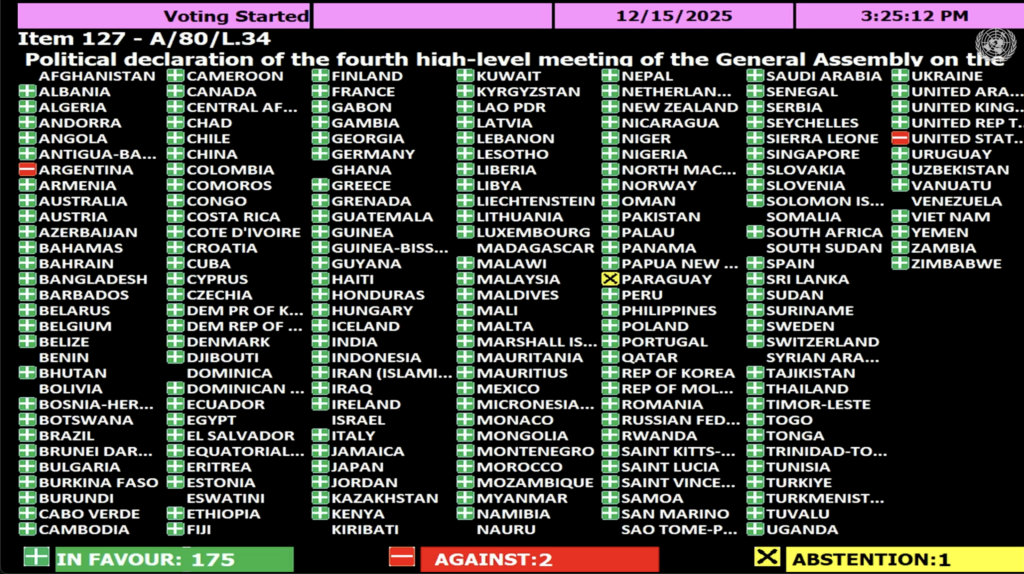
Today’s passage of the Fourth United Nations Political Declaration on Noncommunicable Diseases and the promotion of mental health and well-being marks a watershed moment for international collaboration to tackle the world’s number one killer, cardiovascular disease (CVD).
“WHF is buoyed by the encouraging support of major groups and so many Member States in addressing cardiovascular disease, a preventable disease, which accounts for approximately 1 in 3 deaths globally” said Borjana Pervan, WHF’s Chief Operating Officer.
Though we celebrate this moment, we also recognize that there is much more work to be done to translate commitments into real, measurable progress on CVD and its underlying drivers.
“While WHF welcomes the inclusion of measurable and time-bound targets in the Political Declaration adopted today, we continue to urge UN Member States to go further and commit to the World Heart Federation’s (WHF) suggested target of 50% global hypertension control, by scaling up access to affordable hypertension medications to 500 million more people globally by 2030. This would prevent at least 75 million deaths by 2050 and deliver net economic gains of $212 billion annually. It is also crucial that Member States prepare to take greater action regarding the consumption of alcohol, tobacco and sugar-sweetened beverages, especially through fiscal policies,” said Pervan.
WHF hopes that UN Member States will view the commitments in the Declaration not as the final word on international action on CVD and other NCDs, but a rallying cry to deliver a brighter, more ambitious vision for the future of global health through generations to come.
WHF remains committed to supporting Member States in developing and implementing effective, evidence-based policies to manage and reduce the burden of cardiovascular disease. WHF will continue to work with its Members, partners, and stakeholders to implement knowledge, research and tools that stop heart disease from claiming so many lives unnecessarily.