
Leaving No One Behind: Integrating NCDs into Health Emergencies and Humanitarian Settings
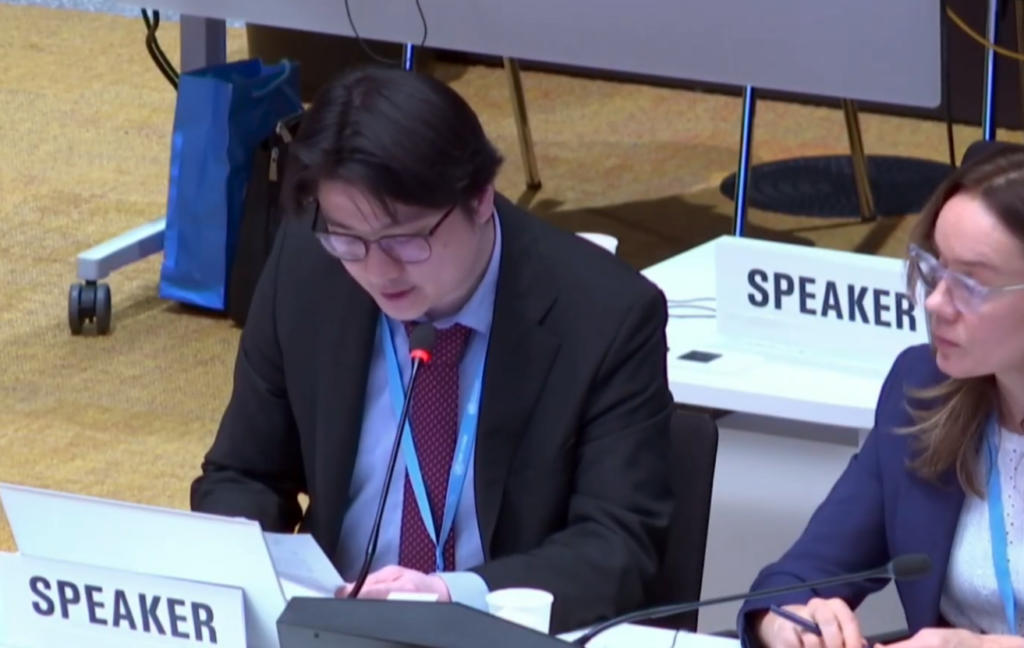
This constituency statement was led and delivered by the World Heart Federation under agenda item 16 – WHO’s Work in Health Emergencies – at the 158th session of the WHO Executive Board.
This statement is delivered by the World Heart Federation on behalf of…
- World Stroke Organization (WSO)
- Global Alliance for Tobacco Control (GATC)
- International Society on Thrombosis and Haemostasis (ISTH)
- International Diabetes Federation (IDF)
- HelpAge International
- International Alliance of Patients’ Organizations (IAPO)
- World Organization of Family Doctors (WONCA)
- International Society of Nephrology (ISN)
- NCD Alliance (NCDA)
- World Obesity Federation (WOF)
- International Council of Nurses (ICN)
- International Union of Psychological Science (IUPsyS)
Honourable Chair,
Distinguished Delegates,
Noncommunicable diseases – particularly cardiovascular disease, stroke, hypertension, kidney disease, diabetes, and other circulatory conditions – and their risk factors remain too frequently neglected in health emergencies and humanitarian settings. In such settings, people living, across the life-course, with NCDs face significant challenges due to strained health systems, disrupted services, and limited inclusion into national preparedness and response plans. In fact, evidence shows that NCD complications occur two to three times more frequently in emergency contexts than in stable settings, with significantly higher rates of premature mortality.
Primary healthcare remains the first point of contact for most communities and the foundation for effective emergency response and recovery. We note with concern that recent funding cuts for global public health have reduced access to essential services for millions across the globe, with vulnerable populations, including women, children, older people, people with disabilities, and people living in humanitarian settings, bearing the heaviest burden.
Therefore, we urge Member States to:
- Prioritize the needs of people living with NCDs and circulatory diseases in health emergencies and humanitarian settings as well as integrate NCDs within the global health security agenda;
- Integrate essential NCD services into emergency preparedness, response, and recovery plans;
- Strengthen primary healthcare and universal health coverage as core emergency infrastructure to build resilient and inclusive systems that ensure continuous, integrated, people-centred, and equitable NCD prevention, treatment, and care, including through sustained investment in the health workforce as a critical enabler of service delivery, combined with mechanisms for financial protection and reduced barriers to care; and
- Collect, analyse, and use data to generate timely intelligence for humanitarian actors and health systems.
Thank you.