The World Heart Federation’s Heart Café will welcome attendees of the American College of Cardiology Congress 2026 from 28 – 30 March at the Ernest N. Morial Convention Center in New Orleans, offering a dynamic and inviting space to connect, collaborate, and spark new ideas in cardiovascular health.
Set within a relaxed and interactive environment, the Heart Café provides a dedicated platform to address pressing challenges in cardiovascular disease (CVD) and global health. With CVD remaining the world’s leading cause of death – claiming nearly 20 million lives each year – these conversations are more urgent than ever. The Heart Café creates an opportunity to explore innovative approaches to prevention, treatment, and equitable care in an open and engaging setting.
Bringing together policymakers, healthcare professionals, scientists, advocates, and people living with CVD, the Heart Café fosters meaningful dialogue and cross-sector collaboration. Each session begins with brief insights from leading experts, followed by lively discussion designed to encourage participation and shared learning.
Join us at Booth #855 in the exhibit hall, within the International Chapters pavilion, and be part of the conversation shaping the future of cardiovascular care.
Saturday, 28 March
Sunday 29 March
Cardiovascular disease is increasingly accompanied by other long-term conditions such as diabetes, kidney disease, hypertension, and chronic respiratory disorders. Yet most health systems remain organised around single-disease pathways, leading to fragmented care, polypharmacy challenges, and missed opportunities for prevention and holistic management.
The new WHF Roadmap on Integrated Care for Patients with CVD and Multiple Long-Term Conditions offers practical, evidence-based guidance to redesign care pathways and strengthen coordination across specialties and sectors. This session will introduce the roadmap and explore how integrated, person-centred care can improve outcomes, streamline services, and support clinicians and patients navigating complex health needs.
Speakers:
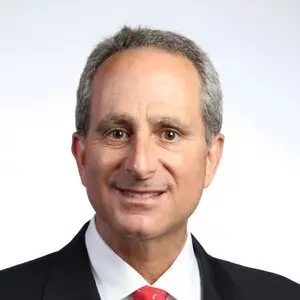
Prof Laurence Sperling
Moderator
Emory School of Medicine, USA
Dr Raul Santos
Speaker
University of São Paulo, Brazil
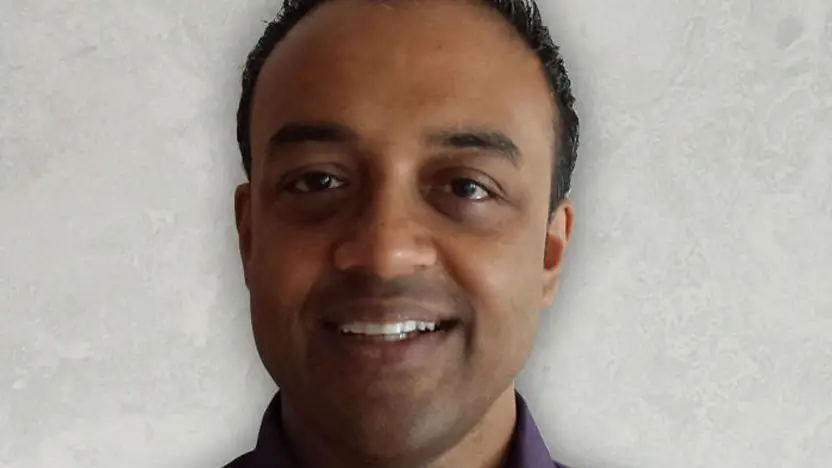
Prof Amitava Banerjee
Speaker
University College London, University College London Hospitals and Barts Health NHS Trusts, UK

Prof Eileen Handberg
University of Florida, USA
University of Florida, USA
Chagas disease remains one of the world’s most neglected infectious diseases, affecting an estimated 6–7 million people, primarily in Latin America but increasingly across North America, Europe, and other regions due to migration and underdiagnosis. Despite its significant cardiac consequences—including arrhythmias, heart failure, and sudden cardiac death—many individuals living with the disease remain unaware of their infection, and access to screening, treatment, and follow-up care remains limited.
This session brings together experts in cardiology, infectious diseases, public health, and patient advocacy to explore the current challenges in detection and management, highlight emerging research and innovations, and discuss strategies to strengthen global and national responses. The discussion will emphasise practical approaches to improving awareness, scaling screening, expanding access to care, and reducing the long-term cardiovascular burden of this overlooked condition.
Speakers:
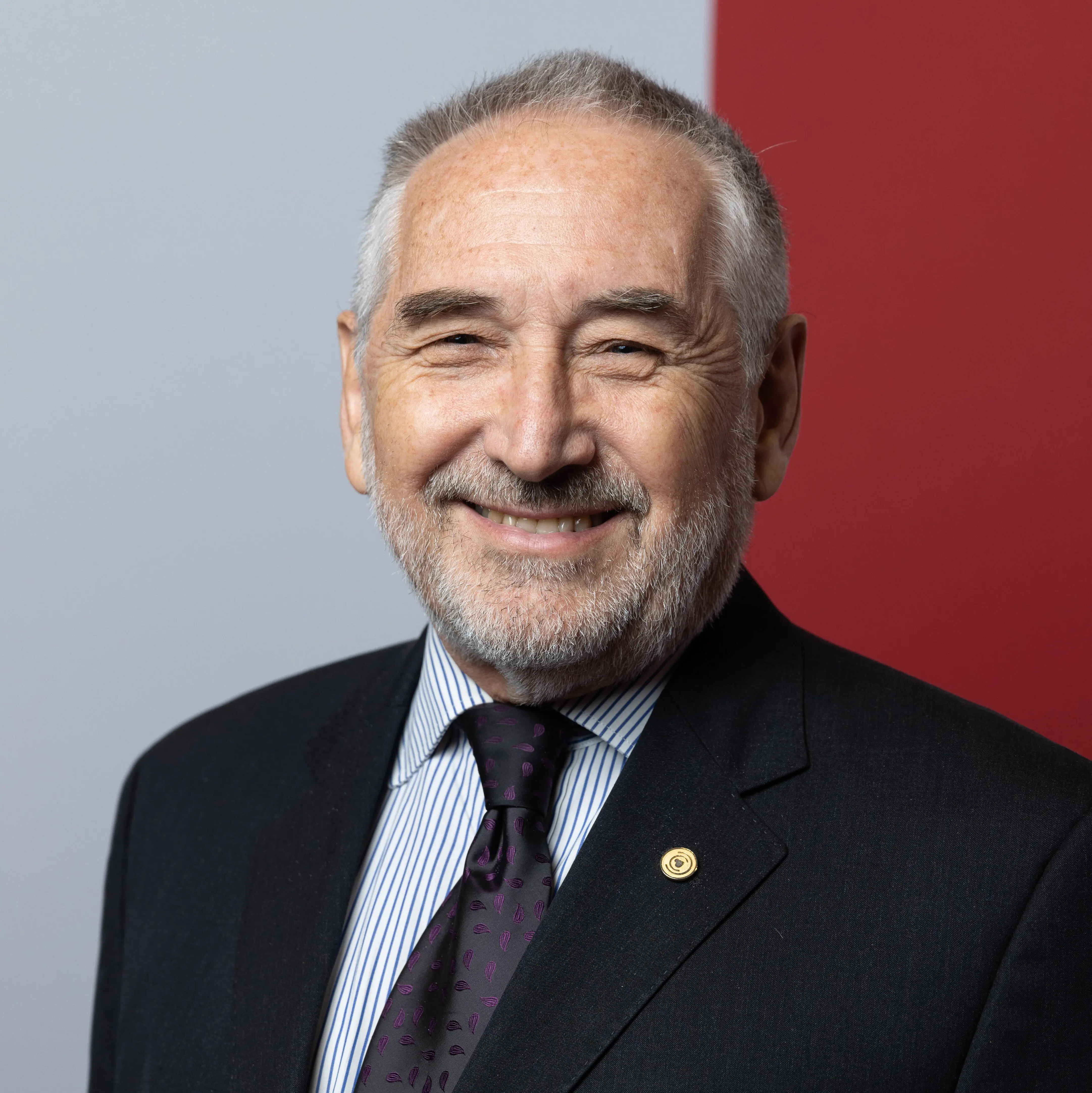
Prof Daniel Pineiro
Moderator, World Heart Federation
University of Buenos Aires, Argentina

Prof Antonio Ribeiro
Speaker
Universidade Minas Gerais, Brazil
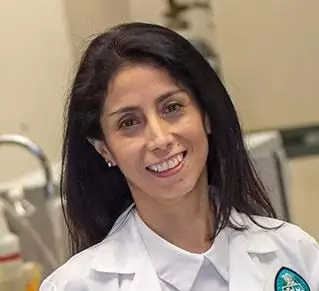
Dr Claudia Herrera
Speaker
Tulane University, USA
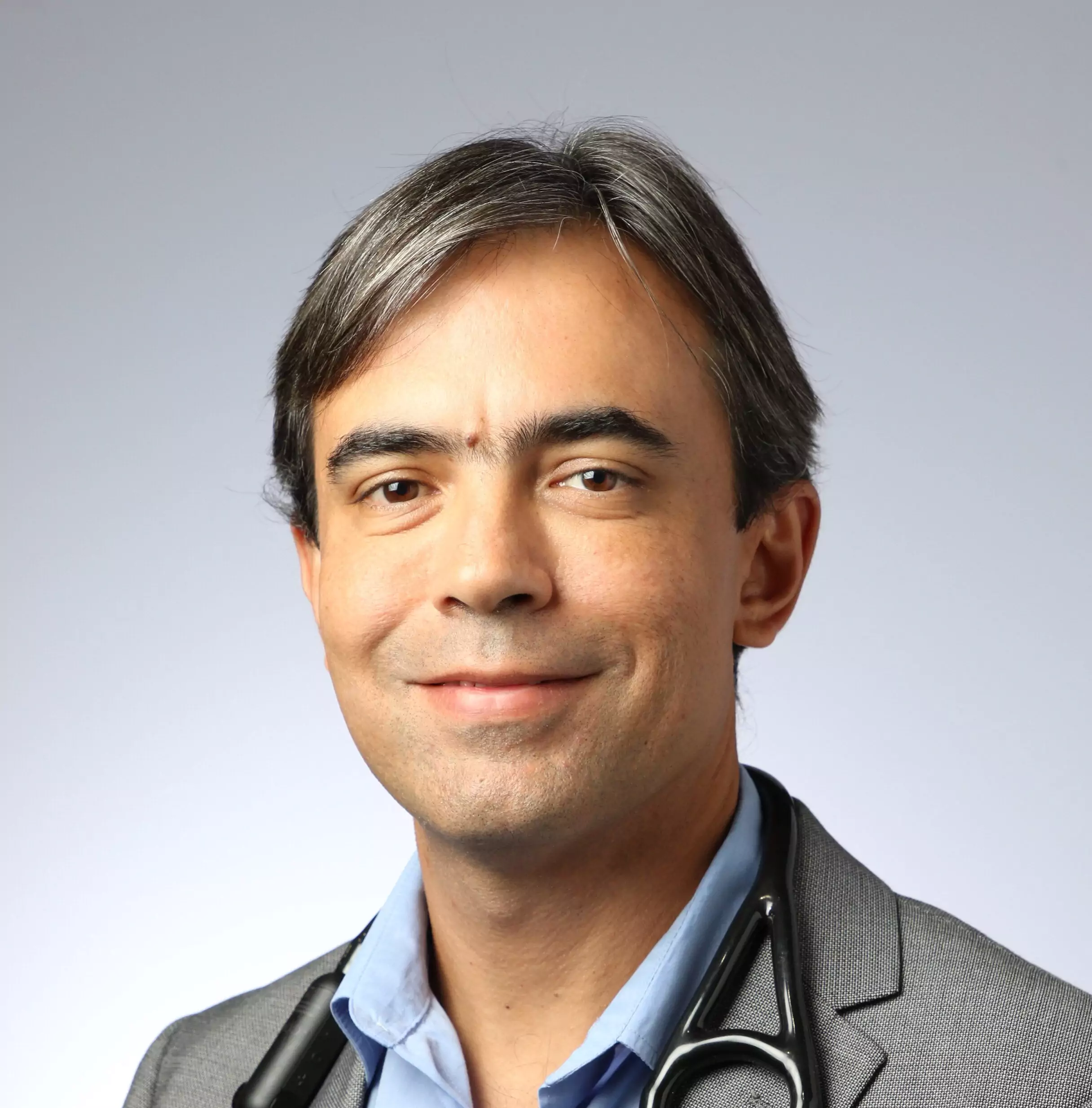
Dr Bruno Nascimento
Speaker
Universidade Minas Gerais, Brazil

Dr Rachel Marcus
Speaker
Latin American Society of Chagas (LASOCHA), USA
Guidelines for dyslipidaemia management are clear, yet real-world data consistently show low rates of cholesterol goal attainment across primary and secondary prevention. Structural barriers—including inconsistent screening, therapeutic inertia, fragmented care pathways, and uneven reimbursement—continue to limit progress.
This session will introduce systems-level strategies to address these challenges, drawing on evidence, best practices, and innovative models from across regions. Panellists will discuss what policies, clinical pathways, and multidisciplinary approaches are needed to achieve widespread, sustained improvement in cholesterol management.
Speakers:

Prof Kausik Ray
Moderator
Imperial College, UK

Dr Angela Koh
Speaker
National Heart Centre Singapore, Singapore

Prof Raul Santos
Speaker
University of São Paulo, Brazil
Climate change, polluted air, and toxic exposures such as lead are shaping cardiovascular risk in ways that are increasingly difficult to ignore. From soaring heat waves that strain the cardiovascular system to air pollution that silently accelerates atherosclerosis, environmental factors now play a critical role in the world’s leading cause of death.
This session will examine the evidence linking environmental hazards with CVD, highlight the communities most affected, and explore solutions at clinical, community, and policy levels. Panellists will discuss what the cardiovascular community can do to prevent disease, advocate for healthier environments, and prepare for a future in which environmental stressors will continue to challenge global heart health.
Speakers:

Borjana Pervan
Moderator
Chief Operating Officer, World Heart Federation

Prof Dorairaj Prabhakaran
Speaker
Centre for Chronic Disease Control, India, World Heart Federation President-elect
Prof Sanjay Rajagopalan
Speaker
University Hospitals Harrington Heart and Vascular Institute, Case Western Reserve School of Medicine, Cleveland, OH, USA
Speakers:
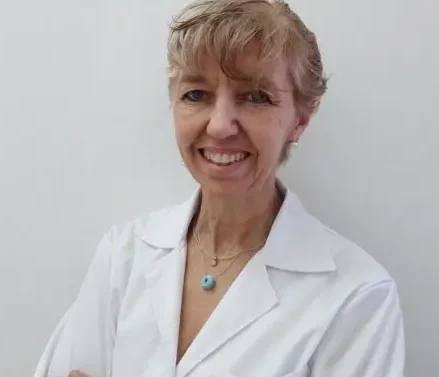
Dr Veronica Volberg
Speaker
Head of the Echocardiography Laboratory, Division of Cardiology, Hospital de Clínicas “José de San Martín”, University of Buenos Aires, Argentina