
World Heart Federation Appoints Borjana Pervan as Chief Executive Officer
1 June, 2026
The World Heart Federation (WHF) is pleased to announce the appointment of Ms Borjana Pervan as its new Chief Executive Officer, effective 1 June 2026. Ms Pervan brings over two decades of service spanning global health, environment, human rights, and child protection. She has served as Chief Operating Officer and Deputy CEO of the World […]

Designed to Addict: Newer Tobacco and Nicotine Products Are a Threat to Cardiovascular Health
31 May, 2026
The World Heart Federation (WHF) is proud to celebrate World No Tobacco Day – under the banner Unmasking the Appeal: Countering Tobacco and Nicotine Addiction – together with the global cardiovascular health and tobacco control communities. Tobacco use and exposure to second-hand emissions are responsible for over 7 million deaths each year. Tobacco remains a […]

WHF calls for stronger action on cardiovascular health at the 79th World Health Assembly
26 May, 2026
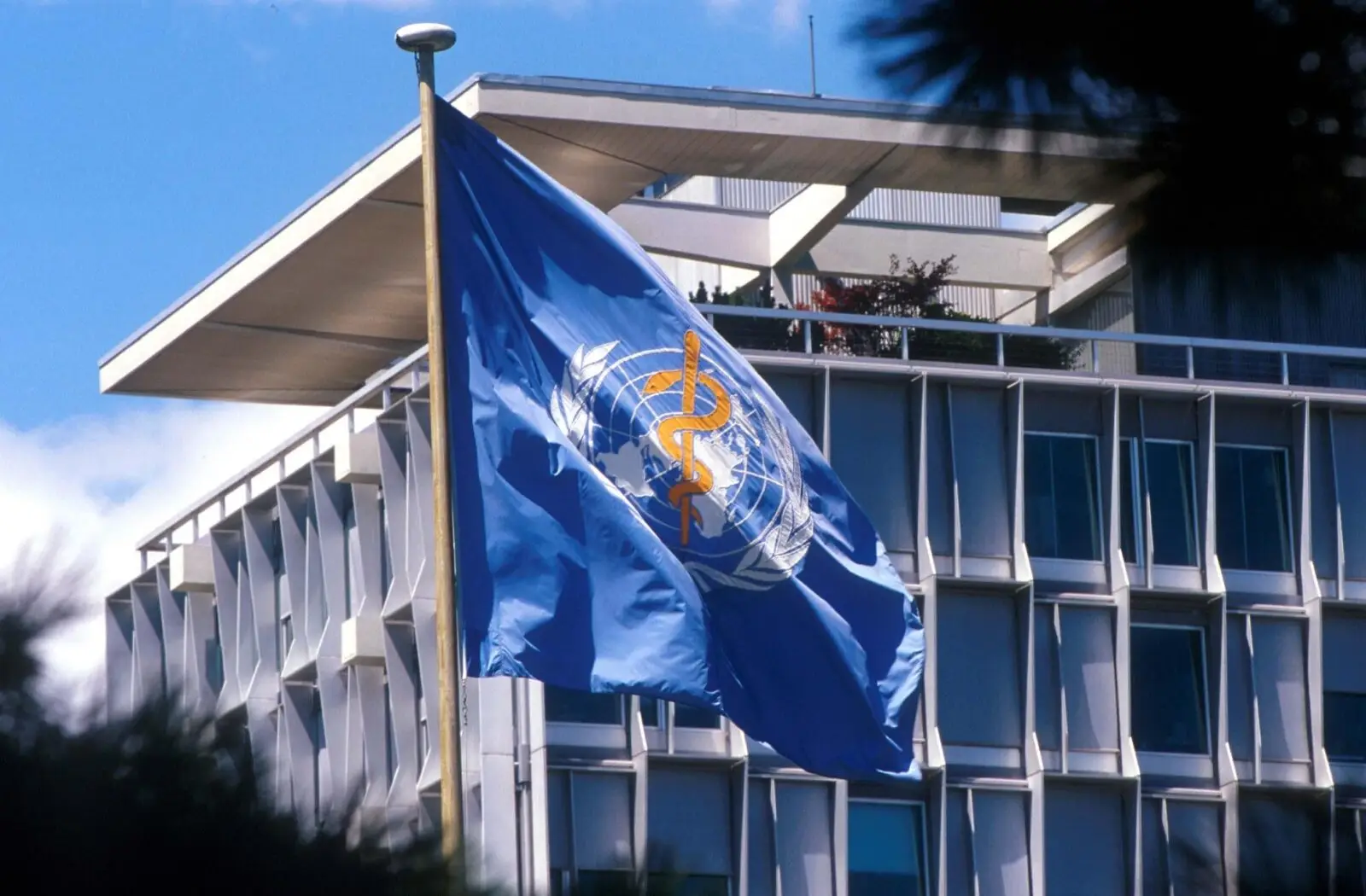
The World Heart Federation represented its Members and the global cardiovascular community at the 79th World Health Assembly, which was held from 18 to 23 May 2026 in Geneva, Switzerland. Throughout the Health Assembly, WHF engaged with Member States, the World Health Organization, and civil society partners to call for stronger, more equitable, and more integrated action on cardiovascular health and other […]
Placing NCDs and Cardiovascular Disease at the Heart of the 2030 Agenda
26 May, 2026
This constituency statement was led and delivered by the World Heart Federation under agenda item 12.6 – Health in the 2030 Agenda for Sustainable Development – at the Seventy-Ninth World Health Assembly. Honourable Chair, Distinguished Delegates, We note with concern that the world is significantly off course to achieve the health-related Sustainable Development Goals, […]
Reframing Rehabilitation for Lifelong Cardiovascular Health
26 May, 2026
This statement was delivered by the World Heart Federation under agenda item 15.1 – Strengthening Rehabilitation in Health Systems – at the Seventy-Ninth World Health Assembly Honourable Chair, Distinguished Delegates, Rehabilitation is an essential health service that delivers evidence-based, cost-effective interventions to reduce recurrent events and hospitalisations as well as supports individuals to live […]
Strengthening Primary Healthcare for NCDs, Mental Health, and UHC
26 May, 2026
This constituency statement was led and delivered by NCD Alliance, with contributions from the World Heart Federation, under agenda item 12.5 – Primary Healthcare – at the Seventy-Ninth World Health Assembly. Distinguished delegates, Primary health care is the foundation of resilient, equitable health systems and essential to delivering universal health coverage and an effective […]
Ensuring Inclusive and Accountable Global Health Architecture Reform
26 May, 2026
This constituency statement was led and delivered by NCD Alliance, with contributions from the World Heart Federation, under agenda item 20.1 – Reform of the Global Health Architecture and the UN80 Initiative – at the Seventy-Ninth World Health Assembly. Distinguished delegates, We welcome the recognition of noncommunicable diseases and mental health within WHO’s proposal […]

Accelerating Action on Stroke Through a WHO Resolution
21 May, 2026
This constituency statement was led and delivered by the World Stroke Organization, with contributions from the World Heart Federation, under agenda item 12.4 – Universal Health Coverage – at the Seventy-Ninth World Health Assembly. The World Stroke Organizations and partners, including the World Heart Federation, welcomes the Resolution on Reducing the Burden of Stroke […]

From Declaration to Implementation: Strengthening Circulatory Health in NCD Responses
21 May, 2026
This constituency statement was led and delivered by the International Society of Nephrology, with contributions from the World Heart Federation, under agenda item 12.1 – Noncommunicable Diseases – at the Seventy-Ninth World Health Assembly. Distinguished Delegates, We speak on behalf of a constituency committed to advancing action on circulatory health—an integrated approach to cardiovascular […]

Turning NCD Commitments into Action: Delivering on the 2025 Political Declaration
21 May, 2026
This constituency statement was led and delivered by NCD Alliance, with contributions from the World Heart Federation, under agenda item 12.1 – Noncommunicable Diseases – at the Seventy-Ninth World Health Assembly. Distinguished delegates, The 2025 Political Declaration on NCDs and Mental Health raised the level of ambition at a time when the epidemiological shift toward […]
Prioritizing Cardiovascular Health and NCDs in Emergency Settings
19 May, 2026
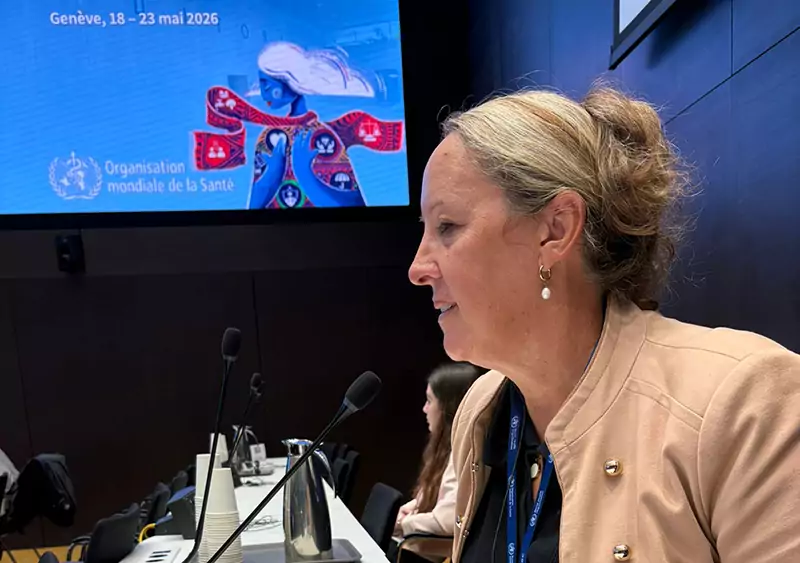
This statement was delivered by Prof. Julie Redfern, WHF Board Member, under Agenda Item 14.1 – WHO’s Work in Health Emergencies – at the Seventy-Ninth World Health Assembly. Honourable Chair, Distinguished Delegates, People Living with Noncommunicable Diseases, particularly cardiovascular disease, face significant challenges in emergency settings due to strained health systems and disrupted services. […]