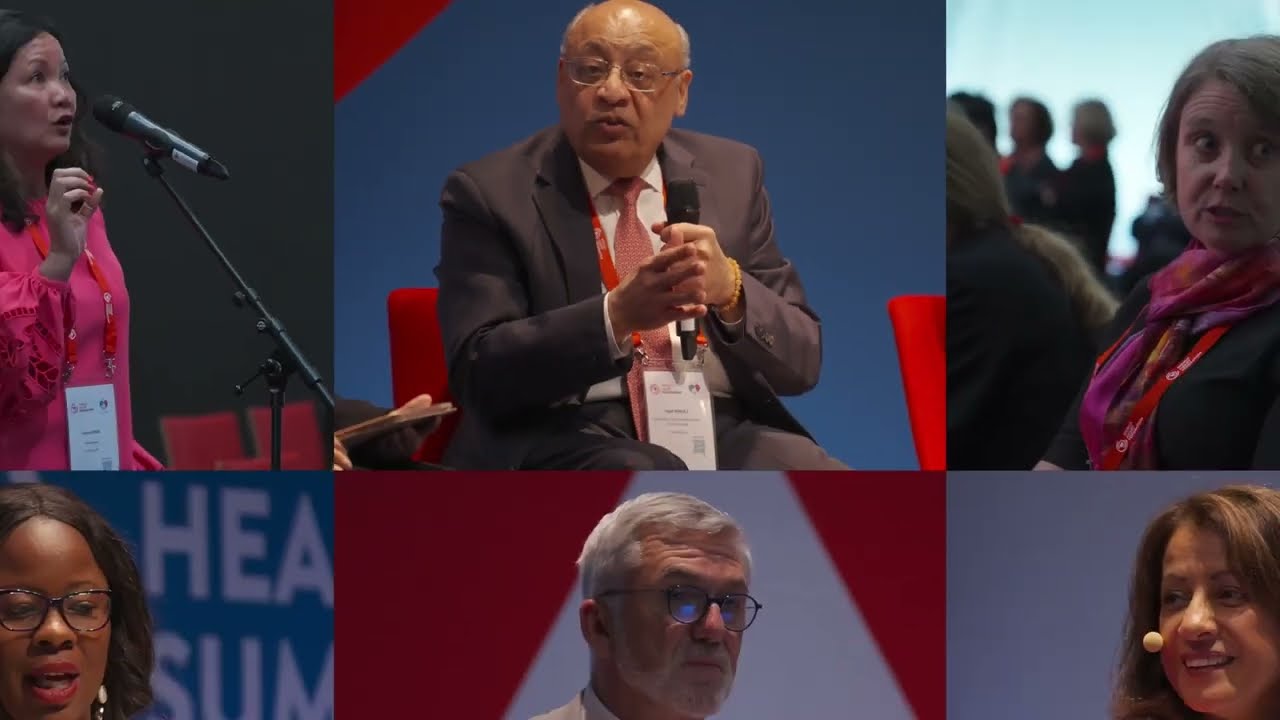
From Science to Policy and Action
The 10th edition of the World Heart Summit took place in Geneva, Switzerland, the heart of global health diplomacy in 2025, ahead of the 78th World Health Assembly.
Global leaders and experts from government, civil society, academia and the private sector came together to advance solutions for cardiovascular health worldwide.
Together, we continue to drive progress towards better heart health for all.
The World Heart Summit 2025 was accredited by the European Board for Accreditation of Continuing Education for Health Professionals (EBAC) for 12 CE points, equivalent to 12 hours of effective education time.
Session recordings are available below as part of the World Heart Summit 2025 programme.
PROGRAMME OF THE WORLD HEART SUMMIT 2025
Choose which day's agenda you want to view
Saturday, 17 May 2025
| Time | Sessions |
|---|---|
| 8:30 – 9:00 |
Welcome & Registration |
| 9:00 – 9:20 |
Welcome to World Heart Summit 2025, Exchange of Livery Collar, Introduction to WHS 2025 The 10th World Heart Summit opened with inspiring addresses from World Heart Federation leaders and marked significant leadership transitions. New CEO Finn Jarle Rode emphasized the urgent global mission to combat cardiovascular disease—the world’s leading cause of death—highlighting the importance of early diagnosis, public awareness, and global collaboration. Outgoing president Prof. Daniel Piñeiro was honored for his impactful tenure, including advancements in advocacy, partnerships, and education programs such as the Leadership in Advocacy and Communication and Emerging Leaders Program. Incoming president Prof. Jagat Narula underscored the shared responsibility to advance cardiovascular health globally, invoking compassion, equity, and policy leadership. COO Borjana Pervan framed the summit’s importance ahead of the UN High-Level Meeting on NCDs, calling for bold, measurable global targets to reduce CVD mortality. This opening set a powerful tone for two days of global dialogue on cardiovascular health diplomacy. 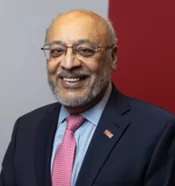
Jagat Narula
President
World Heart Federation
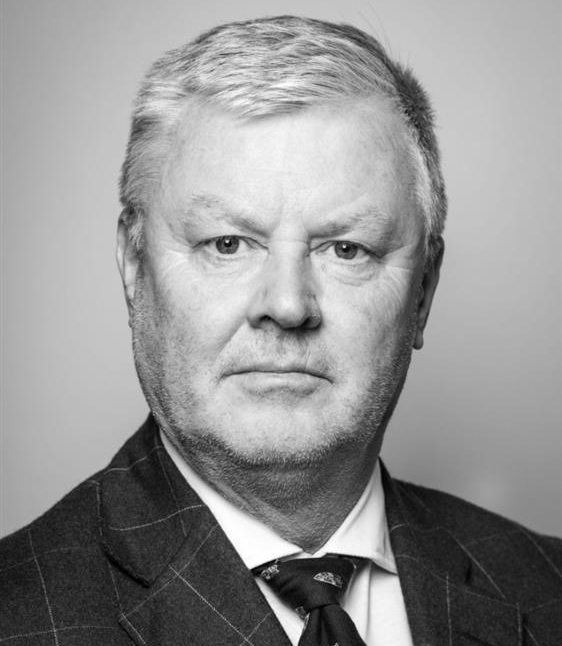
Finn Jarle Rode
CEO
World Heart Federation
|
| 9:20 – 10:30 |
UN High-Level Meeting 2025 WHF Proposal This pivotal session at the World Heart Summit 2025 focused on shaping the global cardiovascular agenda ahead of the upcoming UN High-Level Meeting on Non-Communicable Diseases (NCDs). Leading experts, including Dr. Jagat Narula, Prof. Srinath Reddy, Prof. Pablo Perel, Prof. Prabhakaran Dorairaj, Dr. Slim Slama, and Dr. Bente Mikkelsen, critically analyzed the gaps in achieving Sustainable Development Goal 3.4 to reduce premature NCD mortality by 2030. The panel emphasized the need to extend targets beyond 2030, adopt a life-course approach, address multimorbidity, and strengthen primary healthcare through integrated, community-based, and transdisciplinary models. Discussions addressed the urgent need for sustainable financing, equity across income levels, and stronger global governance, with particular attention to commercial determinants like ultra-processed foods and tobacco. The session called for bold, evidence-based policy changes, innovative health system redesign, and expanded implementation research to advance universal cardiovascular health. 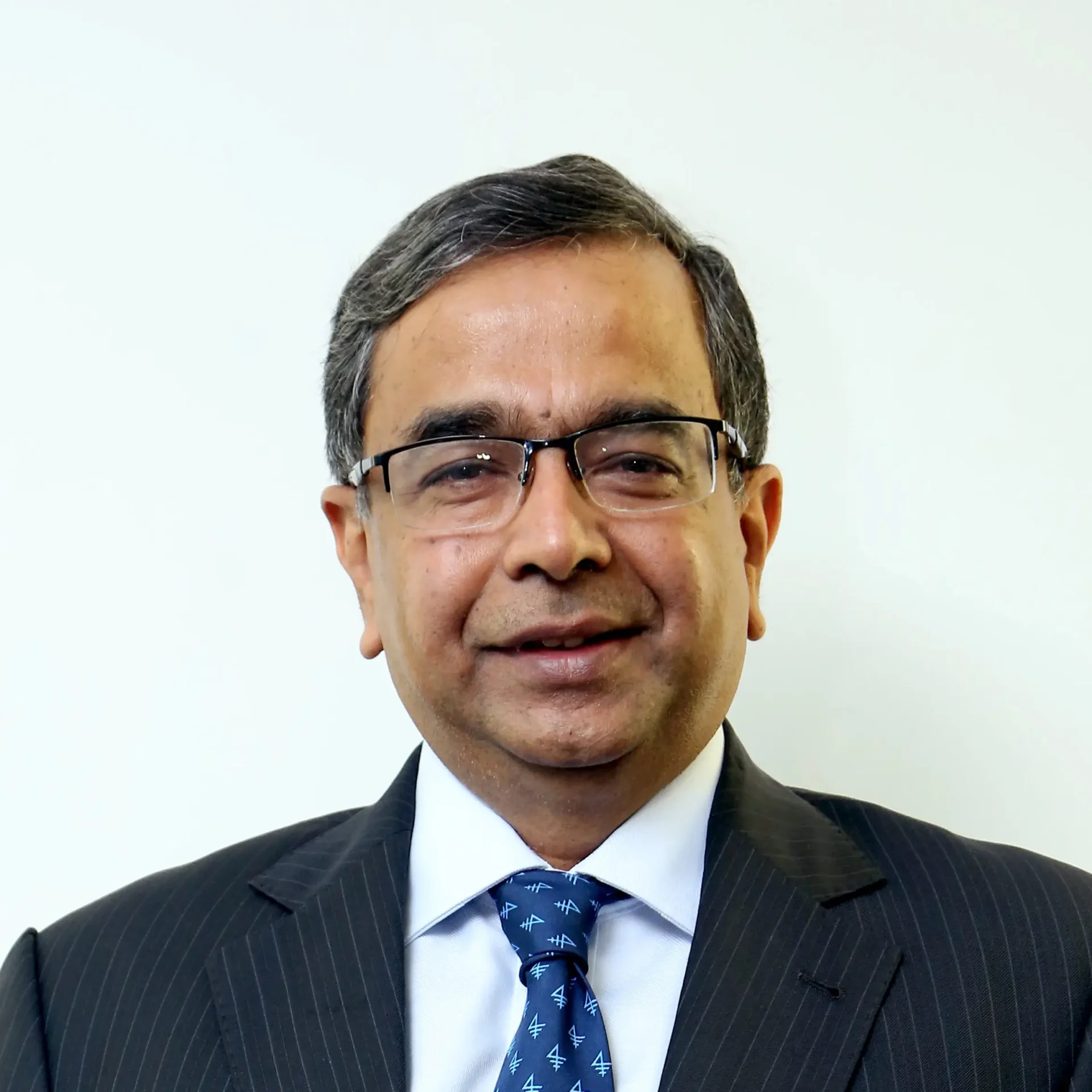
Srinath Reddy
Past President
Public Health Foundation of India
Jagat Narula – Moderator
President
World Heart Federation
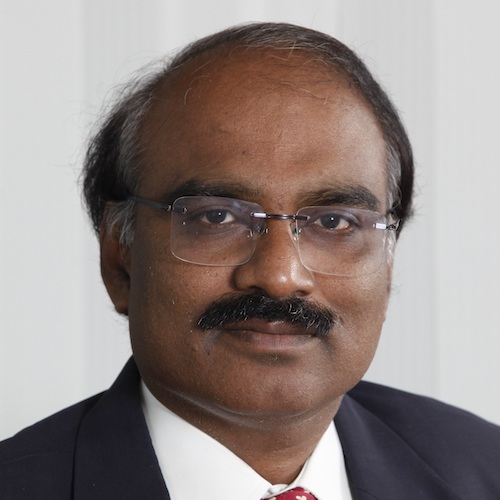
Prabhakaran Dorairaj
WHF President-Elect, Executive Director
Centre for Chronic Disease Control, New Delhi
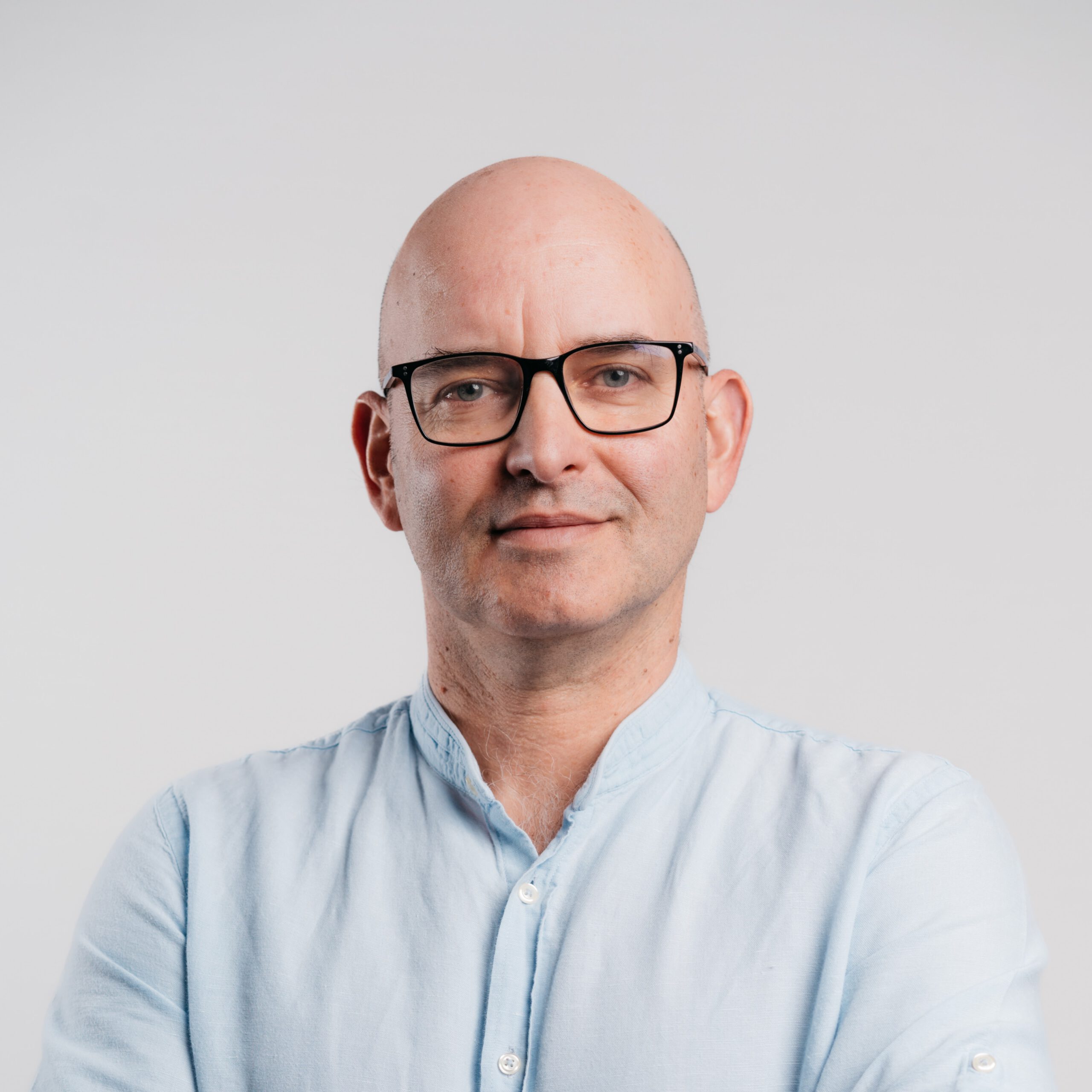
Pablo Perel
Senior Science Advisor
World Heart Federation
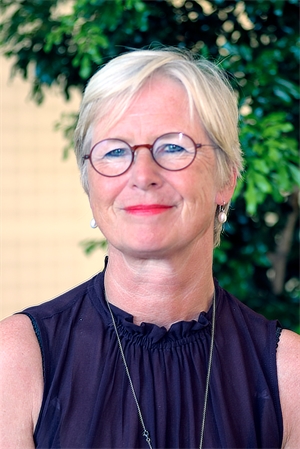
Bente Mikkelsen
WHF Advocacy Committee Chair and Director, Global Engagement Strategies
St. Jude Children’s Research Hospital
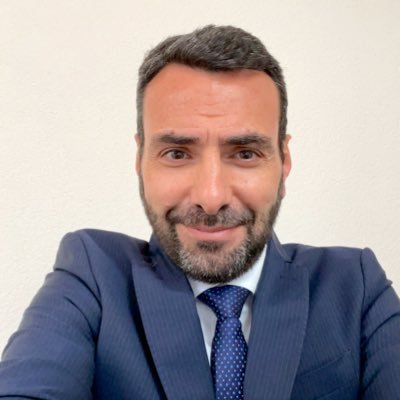
Slim Slama
CEO
World Innovation Summit for Health, Qatar Foundation
|
| 10:30 – 11:00 |
Keynote address: Legacy of the ‘Go Red For Women’ campaign This impactful session at the World Heart Summit 2025, moderated by WHF CEO Finn Jarle Rode and COO Borjana Pervan, spotlighted global gender disparities in cardiovascular health. Featuring Nancy Brown, CEO of the American Heart Association, and Prof. Satyendra Tiwari, the session emphasized the urgent need to address persistent gaps in diagnosis, treatment, and research for women affected by cardiovascular disease (CVD). Brown presented the Go Red for Women campaign, highlighting its global reach through advocacy, awareness, and groundbreaking initiatives like Research Goes Red and the Go Red Venture Fund. Prof. Tiwari reinforced the importance of extending these efforts to low- and middle-income countries. The discussion called for stronger global collaboration, investment in women-focused research, early diagnosis, and equitable care to advance cardiovascular health equity for women worldwide. 
Nancy Brown – Honoree
CEO
American Heart Association (AHA)
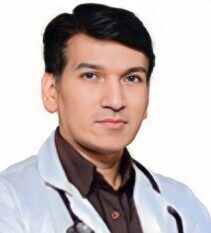
Satyendra Tiwari – Moderator
Professor Department of Cardiology
Sanjay Gandhi Postgraduate Institute of Medical Sciences
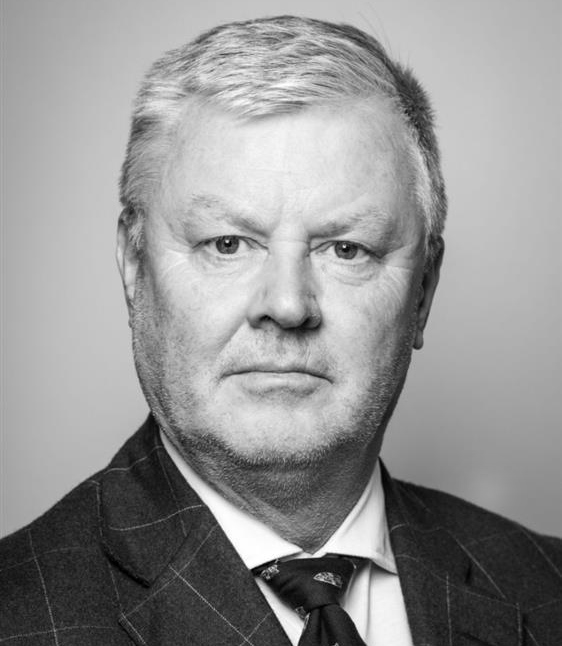
Finn-Jarle Rode – Moderator
CEO
World Heart Federation

Borjana Pervan – Moderator
COO
World Heart Federation
|
| 11:00 – 11:30 |
Break |
| 11:30 – 12:30 |
Addressing multimorbidity in the context of CVD At the World Heart Summit 2025, this expert panel, moderated by Michelle Winokur (Executive Director, International Atherosclerosis Society), explored the rising global challenge of multimorbidity in cardiovascular disease (CVD). Prof. Dorairaj Prabhakaran (WHF President-Elect, Centre for Chronic Disease Control, New Delhi) opened with a case study highlighting the complex intersection of CVD with diabetes, obesity, renal disease, and social determinants of health. Panelists—including Dr. Taskeen Khan (World Heart Federation), Bruce Neal (The George Institute for Global Health, Australia), Gemma Figtree (University of Sydney), Shreeram Aradhye (Novartis), Dr. José R. Gonzalez Juanatey (University Clinical Hospital, Santiago de Compostela), and Richard Chazal (Lee Health Heart Institute)—emphasized health system redesign, digital innovation, team-based care, and integrated prevention strategies. The session underscored the urgent need for scalable, context-specific policies, food system interventions such as salt substitution, and stronger patient engagement to reduce the burden of multimorbidity worldwide. 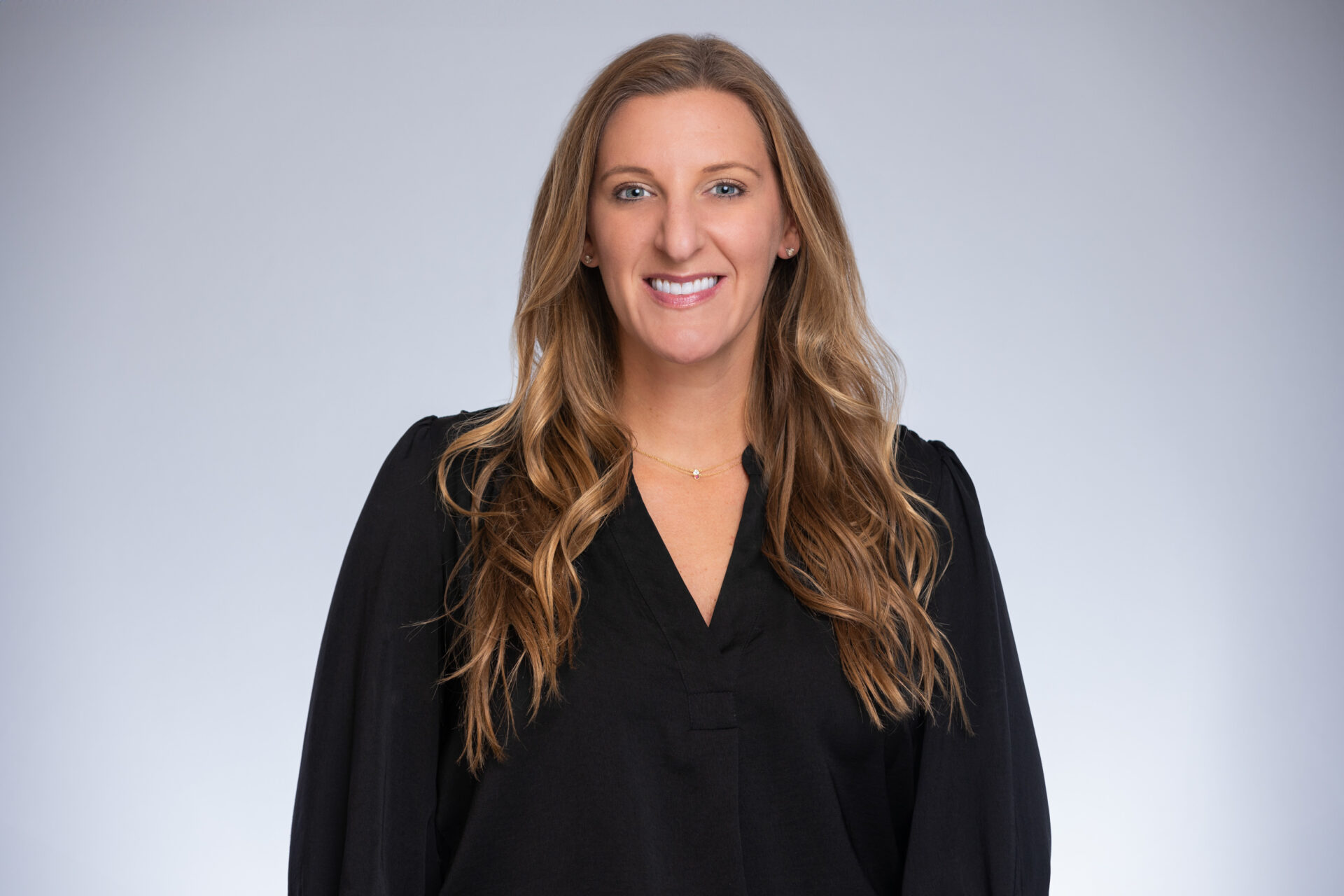
Michelle Winokur – Moderator
Executive Director
International Atherosclerosis Society
Prabhakaran Dorairaj
WHF President-Elect, Executive Director
Centre for Chronic Disease Control, New Delhi
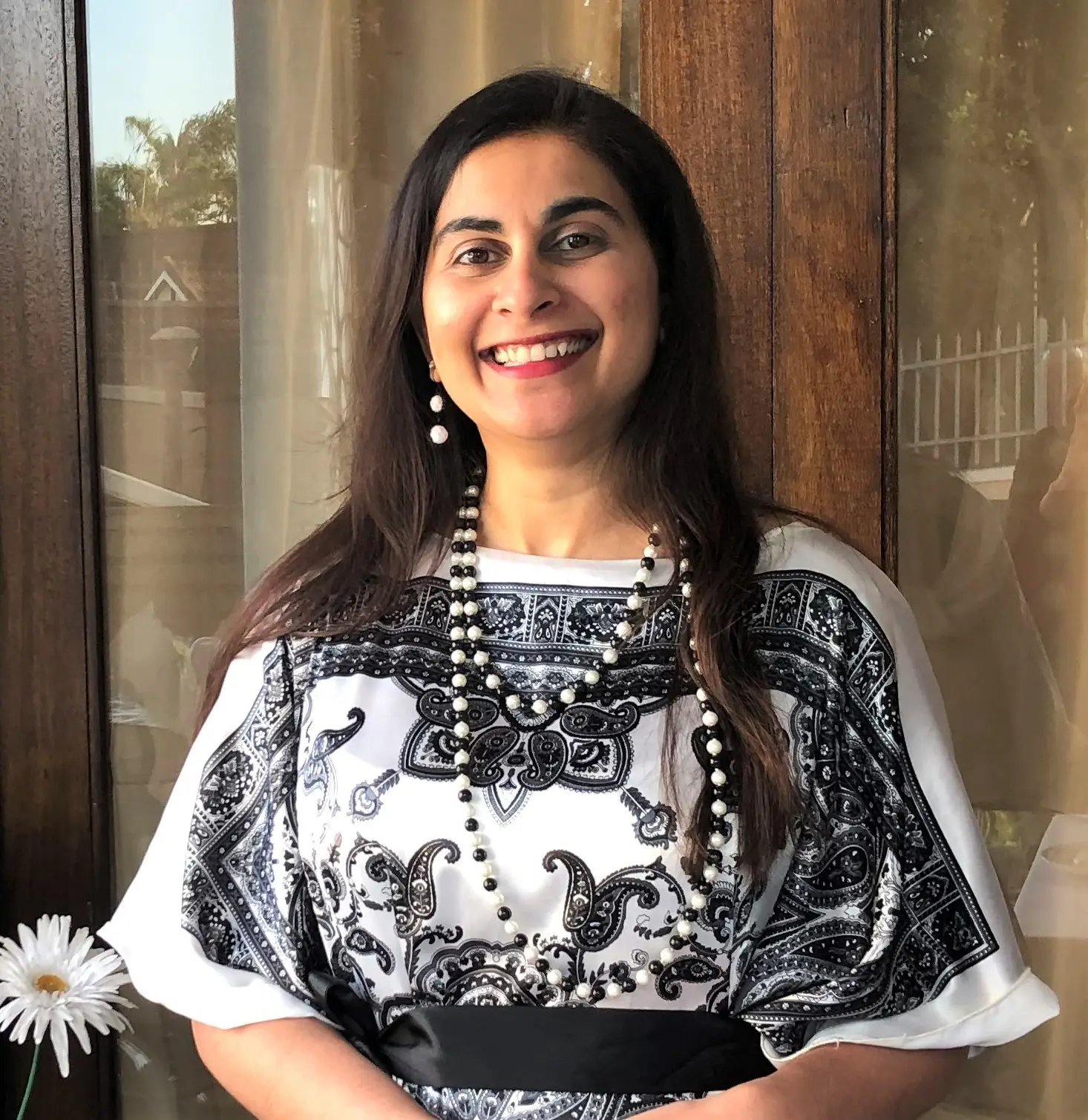
Taskeen Khan
WHF Advocacy Committee Member
World Heart Federation
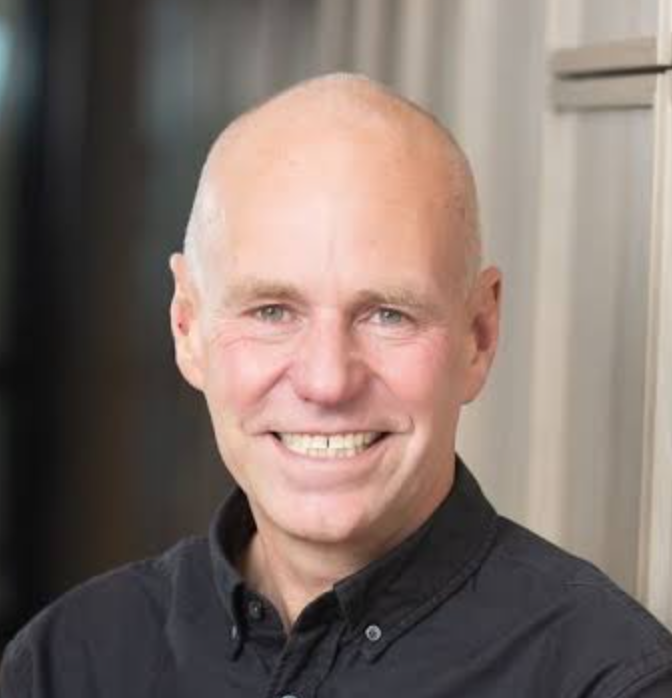
Bruce Neal
Executive Director
The George Institute for Global Health, Australia
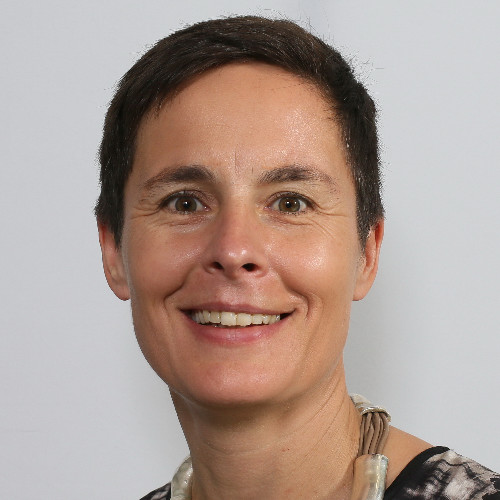
Gemma Figtree
Professor of Medicine
University of Sydney
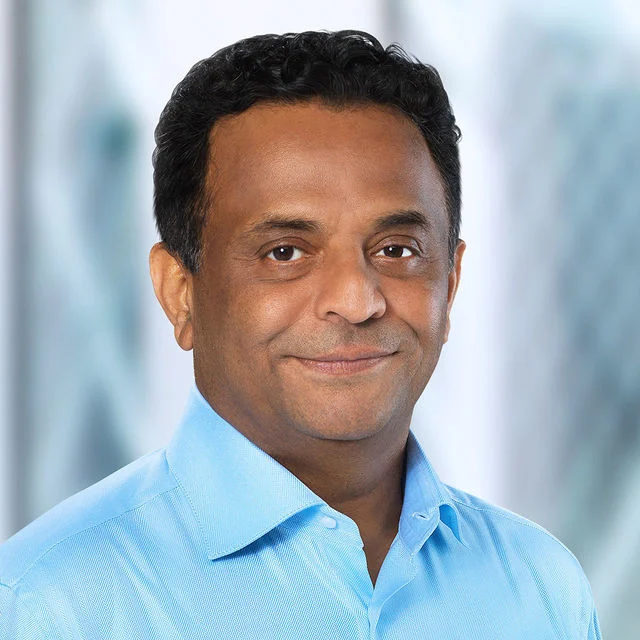
Shreeram Aradhaye
President, Development and Chief Medical Officer
Novartis
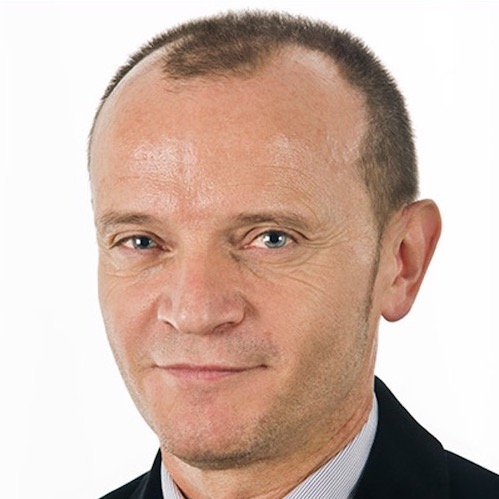
José Ramon Juanatey
Head of the Cardiology Service and CCU
University Clinical Hospital, Santiago de Compostela
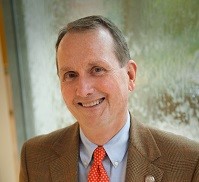
Richard Chazal
Senior Cardiologist and Medical Director for Quality, Transformation, Innovation
Lee Health Heart Institute
|
| 12:30 – 13:15 |
Primacy of primary care in combating CVD This high-level session at World Heart Summit 2025, moderated by Taskeen Khan (WHF Advocacy Committee Member), explored the pivotal role of primary care in hypertension control and cardiovascular disease (CVD) prevention worldwide. Dr. Tom Frieden (Resolve to Save Lives) emphasized the urgent need for simple, scalable, data-driven solutions to achieve global hypertension control and prevent millions of deaths. Dr. Jérôme Salomon (WHO Assistant Director General) outlined workforce, integration, and financing gaps that hinder progress in many countries. Prof. Amam Mbakwem (University of Lagos, WHF Vice-President) addressed barriers faced in sub-Saharan Africa, while Dr. Rony Shimony (Mount Sinai, Atria Institute) underscored the empowerment of primary care teams to meet treatment targets. Eliezer Lappots-Abreu (Health Horizons International Foundation) highlighted the intersection of human rights, immigration, and equitable access to care. Dana Burduja (European Investment Bank) presented innovative financial models supporting health infrastructure, while Mark Barone (ForumCCNTs, Brazil) showcased multisectoral partnerships improving hypertension control in Brazil. The session called for global leadership, financing, and accountability ahead of the 2025 UN High-Level Meeting on NCDs.
Taskeen Khan – Moderator
WHF Advocacy Committee Member
World Heart Federation
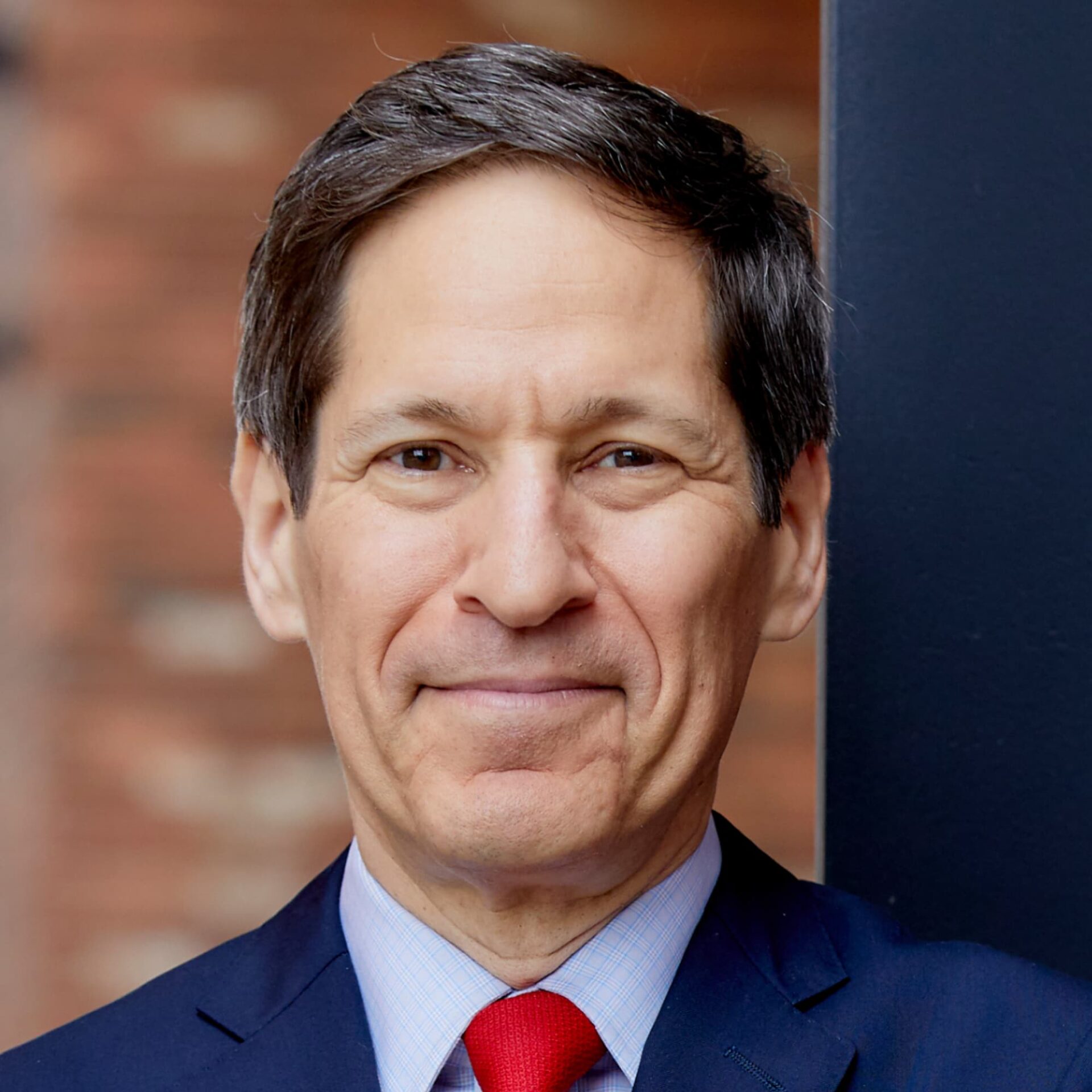
Tom Frieden
President and CEO
Resolve To Save Lives
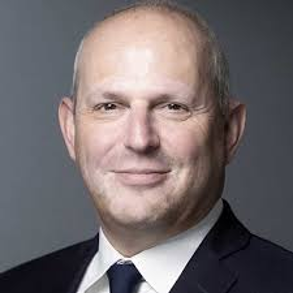
Jérôme Salomon
Assistant Director General ADG SDG
World Health Organization
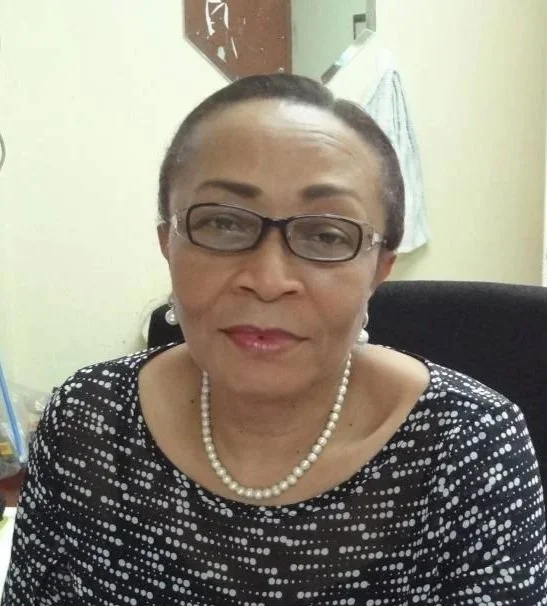
Amam Mbakwem
WHF Vice-President and Professor of Medicine
University of Lagos
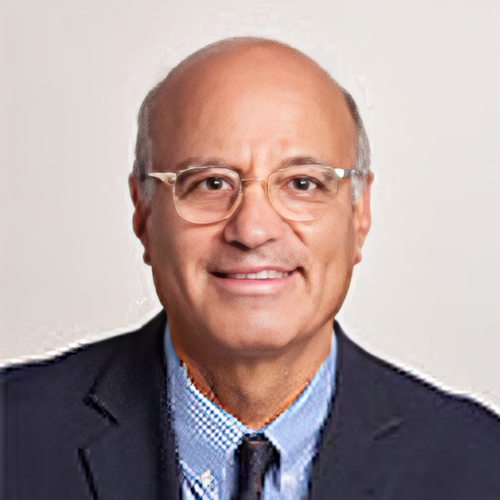
Rony Shimony
Director of Cardiology at Atria Institute
Mount Sinai – New York

Eliezer Lappots-Abreu
President and Executive Director
Health Horizons International Foundation

Mark Barone
Founder and General Manager
Intersectoral Forum of NCCs/NCDs in Brazil (ForumCCNTs)
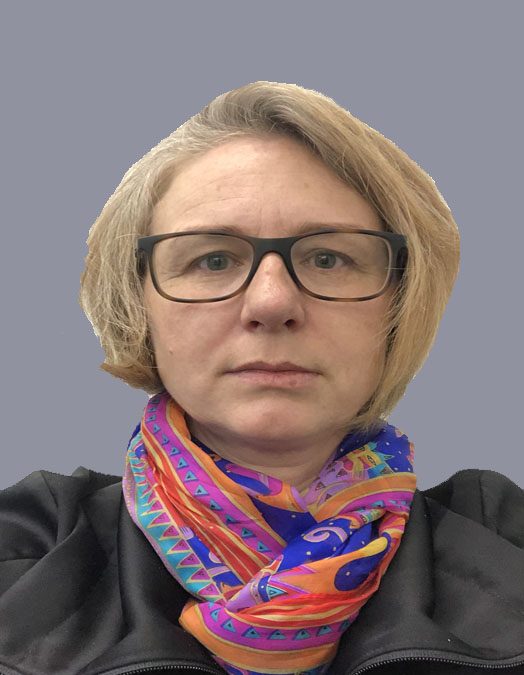
Dana Burduja
Head of Life Sciences and Health Division
European Investment Bank
|
| 13:15 – 14:15 |
Lunch Break |
| 14:15 – 15:00 |
Innovations in Drug Interventions for CVD at Primary Healthcare Level This forward-looking session at the World Heart Summit 2025, moderated by Prof. Jagat Narula (President, World Heart Federation), explored cutting-edge advances in cardiovascular pharmacotherapy with a focus on primary care integration, adherence, and global accessibility. Dr. Lutz Hegemann (Novartis Global Health) emphasized innovative long-acting RNA-based therapies, health system strengthening, and community-based models to deliver care at scale, including programs across Rwanda, Vietnam, and sub-Saharan Africa. Prof. Tazeen H. Jafar (Duke-NUS, Singapore) presented evidence from community-led hypertension control models like COBRA, highlighting scalable task-shifting strategies in LMICs. Prof. Andrea Brandão (State University of Rio de Janeiro) advocated for simplified single-pill combinations to improve adherence in resource-limited settings. Dr. Sameer Bansilal (Alnylam Pharmaceuticals) outlined the promise of RNA therapeutics and annual dosing regimens to revolutionize prevention. The panel underscored the need for financing models, community engagement, and multisectoral partnerships to ensure innovations reach the most vulnerable populations worldwide. 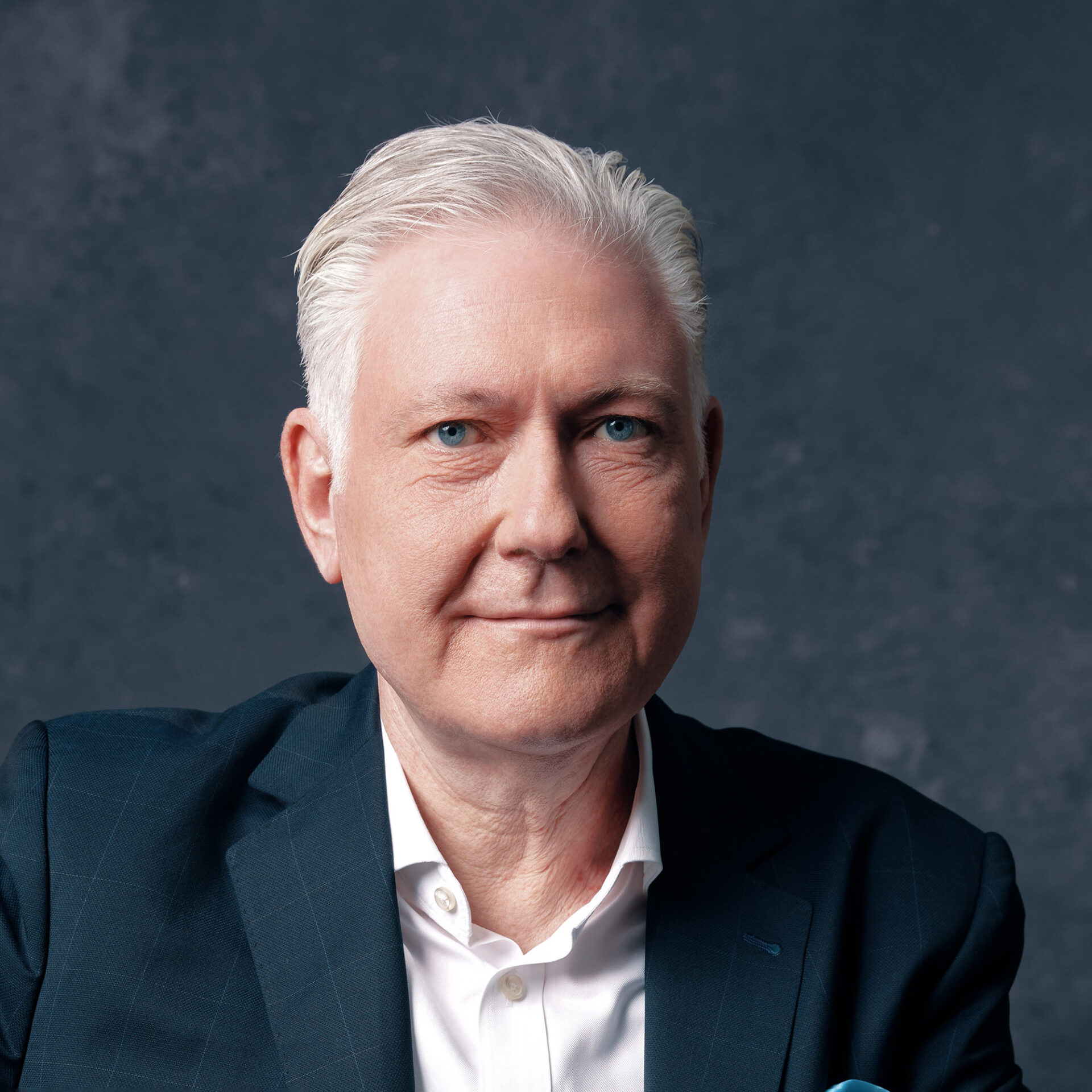
Lutz Hegemann
President of Global Health and Swiss Country Affairs
Novartis Global Health
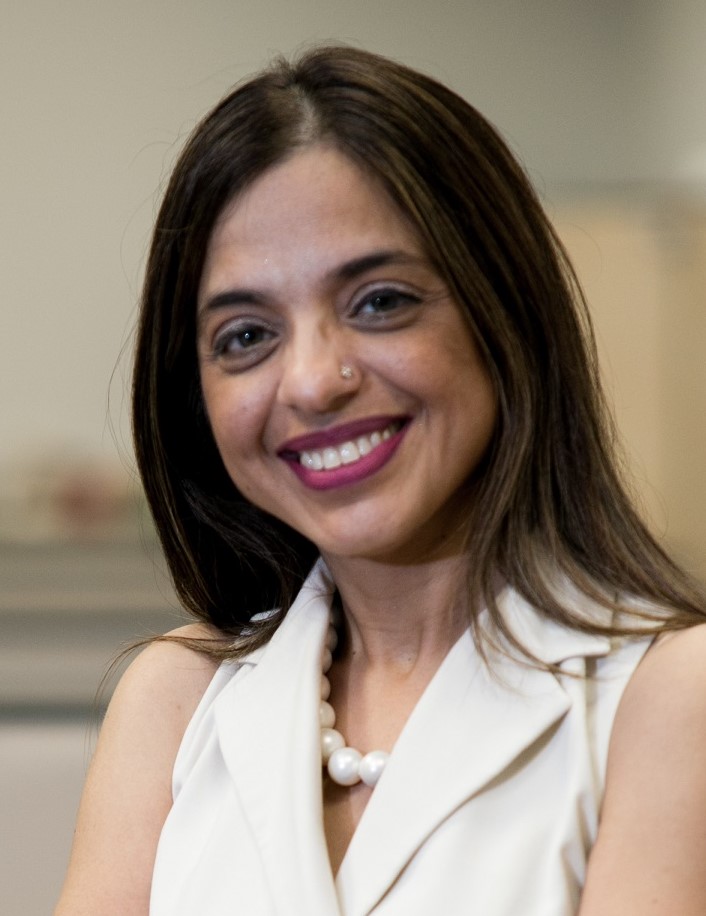
Tazeen H. Jafar
Professor, Program in Health Services and Systems Research
Duke-NUS Graduate Medical School Singapore
Jagat Narula – Moderator
President
World Heart Federation

Andrea Brandão
Full Professor of Cardiology
State University of Rio de Janeiro, Brazil
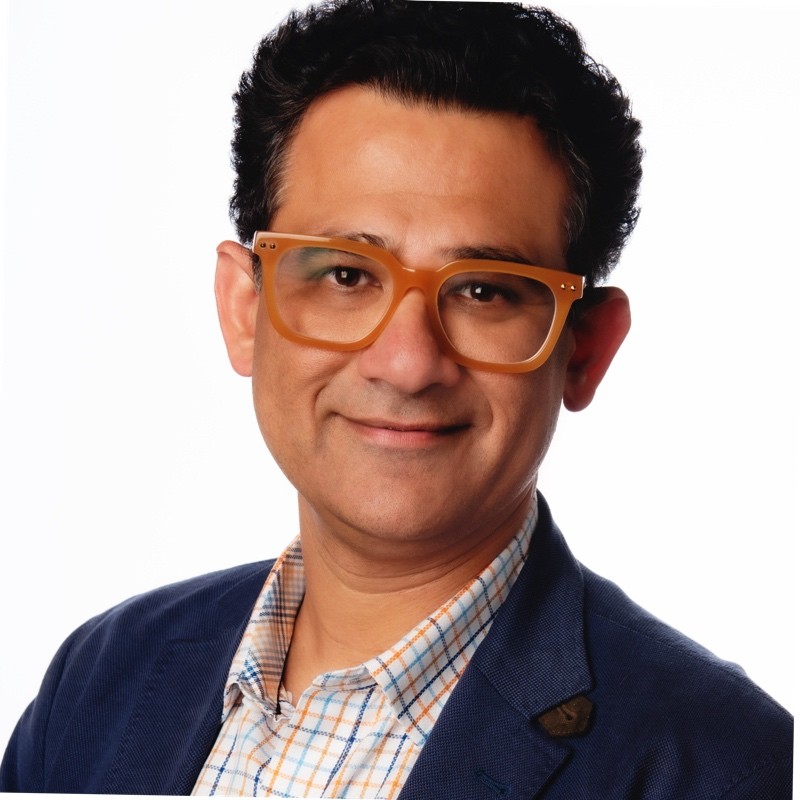
Sameer Bansilal
Vice President- Global Head – TTR Medical Affairs
Alnylam Pharmaceuticals
|
| 15:00 – 15:45 |
Financial protection from catastrophic costs of CVD: What does it take to reduce CVD by 50%? This insightful session at the World Heart Summit 2025, moderated by Payal Kohli (Johns Hopkins University / Duke University), explored global strategies to address multimorbidity in cardiovascular care. Prof. Bente Mikkelsen (WHF Advocacy Chair, St. Jude Children’s Research Hospital) emphasized the urgent need for systemic health reforms, stronger primary care, and trust-building in low- and middle-income countries. Hyvelle Ferguson-Davis (Heart Sistas) and Dr. Lillian Mbau (Kenya Cardiac Society) underscored the importance of community-based education, health literacy, and culturally sensitive patient engagement to improve adherence and equity. Jeremiah Mwangi (World Heart Federation) highlighted WHF’s advocacy efforts to align global policy with practical implementation. Prof. Athena Poppas (Brown University) and Dr. John Harold (Cedars-Sinai, ACC Past-President) stressed the importance of integrated care models, early detection, digital innovations, and provider collaboration across specialties. The panel called for holistic, patient-centered approaches, scalable solutions, and stronger global policy action to confront the growing burden of cardiovascular multimorbidity worldwide. 
Payal Kohli – Moderator
Associate Adjunct Professor in Cardiology
Department of Medicine, Johns Hopkins University / Department of Medicine, Duke University
Bente Mikkelsen
WHF Advocacy Committee Chair and Director, Global Engagement Strategies
St. Jude Children’s Research Hospital

Hyvelle Ferguson-Davis
Founder
Heart Sistas
Lillian Mbau
WHF Advocacy Committee member and CEO
Kenya Cardiac Society
Jeremiah Mwangi
Director of Policy and Advocacy
World Heart Federation
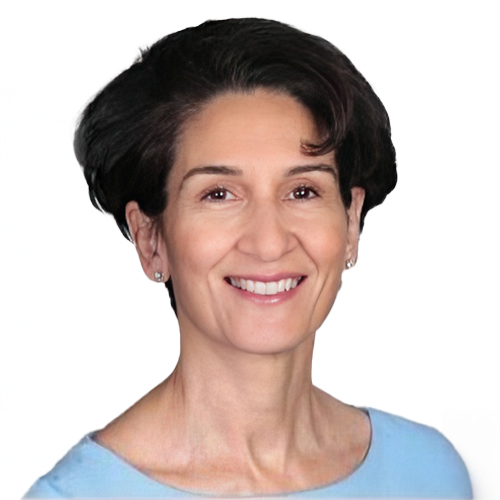
Athena Poppas
Chief of Cardiology and Director
Brown University Health Cardiovascular Institute
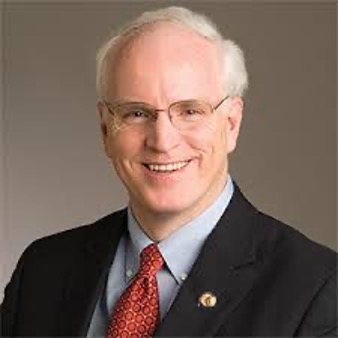
John Harold
Past-President, American College of Cardiology and Cardiologist
Cedars-Sinai Smidt Heart Institute, Los Angeles
|
| 15:45 – 16:15 |
Break |
| 16:15 – 17:00 |
Launch of the WH Report In this pivotal session at the World Heart Summit 2025, moderated by Johanna Ralston (CEO, World Obesity Federation), the World Heart Report 2025 was officially launched, focusing on the complex relationship between obesity and cardiovascular disease (CVD). Francisco Lopez-Jimenez (Mayo Clinic) presented key findings on obesity’s rapid global rise, its causal role in multiple cardiovascular conditions, and the urgent need to reframe obesity as a complex chronic disease rather than a lifestyle choice. Panelists—including Mariachiara di Cesare (University of Essex), Fausto Pinto (Centro Hospitalar Universitário de Lisboa Norte), Pamela Cipriano (International Council of Nurses), and David Wood (University of Galway)—discussed multidisciplinary care models, upstream social determinants, the role of nursing in primary care, public health policy, global food systems, and the need for stronger political action. The session emphasized prevention, equity, and integrated clinical and policy interventions to address the obesity-driven CVD epidemic worldwide. 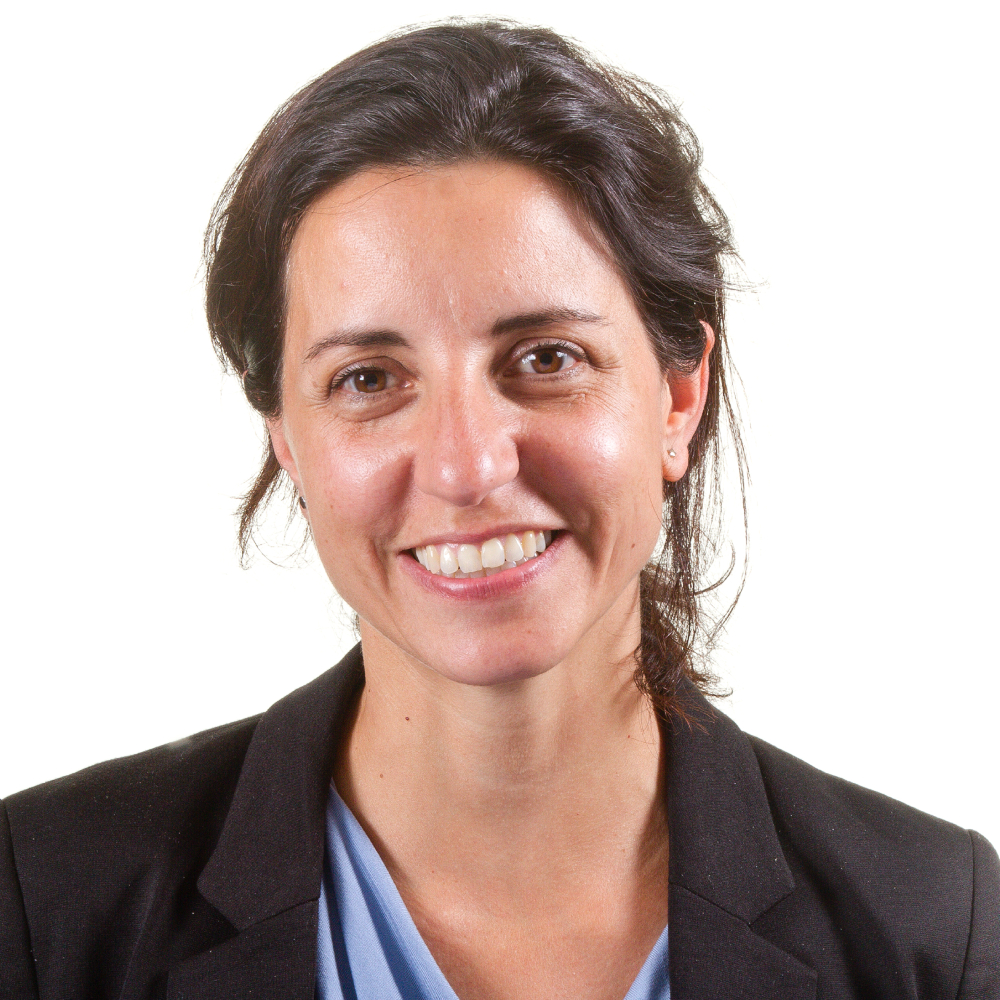
Mariachiara di Cesare
Professor in Population Studies and Global Health
University of Essex
Johanna Ralston – Moderator
CEO
World Obesity Federation
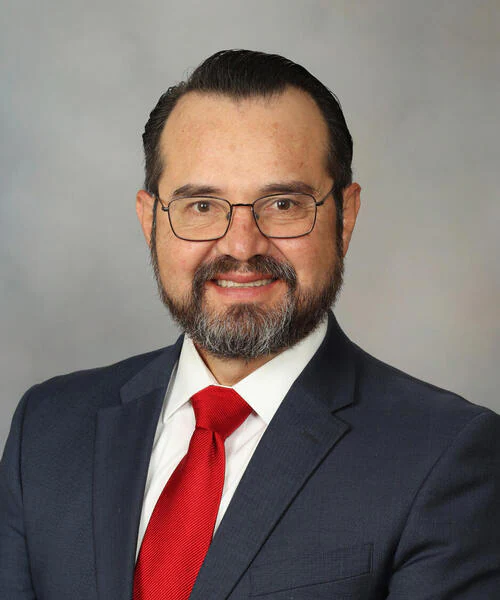
Francisco Lopez-Jimenez
Chair, Division of Preventive Cardiology
Mayo Clinic
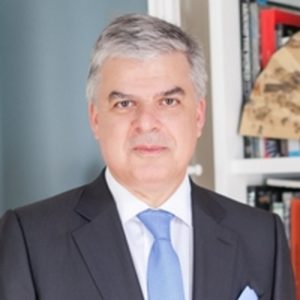
Fausto Pinto
Diretor Dept Coração e Vasos do CHULN
Centro Hospitalar Universitário de Lisboa Norte
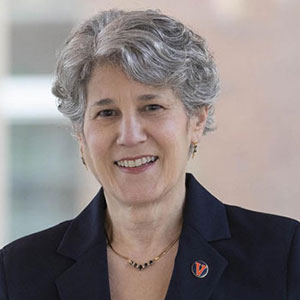
Pamela Cipriano
President
International Council of Nurses
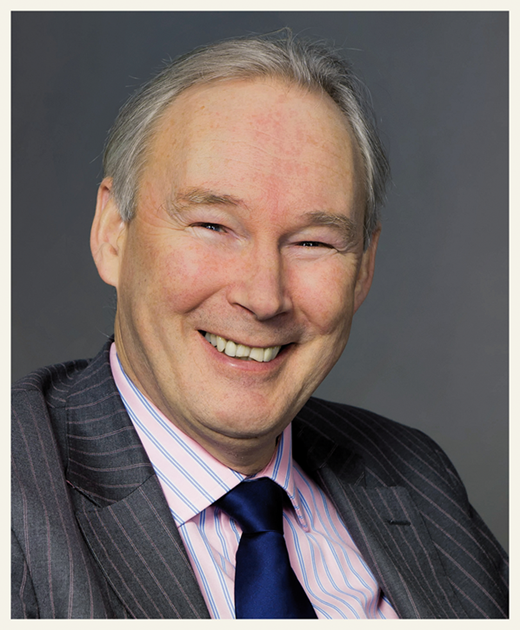
David Wood
Adjunct Professor of Preventive Cardiology at the National Institute of Prevention and Cardiovascular Health
University of Galway
|
Sunday, 18 May 2025
| Time | Sessions |
|---|---|
| 8:00 – 8:30 |
Coffee & Mingle |
| 8:30 – 9:15 |
Risk Factors: Of Inflammation, Added Inflamation and Out-of-Proportion Inflammation in CAD In this highly engaging session at World Heart Summit 2025, moderated by Payal Kohli (Johns Hopkins University / Duke University), global experts explored the evolving role of inflammation in cardiovascular disease (CVD) risk and treatment. Y.S. Chandrashekhar (University of Minnesota) delivered a comprehensive pacesetter lecture on the biology of inflammatory plaque rupture, macrophage activity, and the emerging understanding of residual cardiovascular risk. Sidney Smith (UNC, WHF/AHA Past President) emphasized the importance of translating evolving evidence into clinical guidelines. Ana Munera Echeverri (SIAC) presented regional data from the Americas, linking high rates of obesity, diabetes, and pollution to systemic inflammation. Amitava Banerjee (UCL & Barts Health) highlighted the role of vaccines in inflammation reduction and the importance of integrated electronic health data systems. Antonio Ribeiro (Federal University of Minas Gerais) showcased AI-powered tools—including ECG-derived biological age—to quantify inflammation-linked risk. The panel called for biomarkers, imaging, and AI solutions to advance inflammation-focused prevention and treatment strategies globally.
Payal Kohli – Moderator
Associate Adjunct Professor in Cardiology
Department of Medicine, Johns Hopkins University / Department of Medicine, Duke University
Y. Chandrashekhar
Professor of Medicine
University of Minnesota
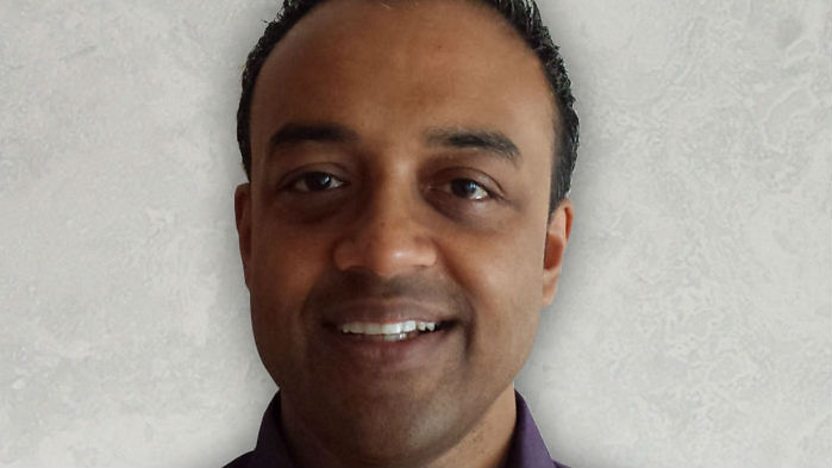
Amitava Banerjee
Professor in Clinical Data Science and Honorary Consultant Cardiologist
UCL and Barts Health

Antonio Ribeiro
Professor of Internal Medicine and Vice-Director of the Center of Artificial Intelligence for Health
University Hospital of the Federal University of Minas Gerais
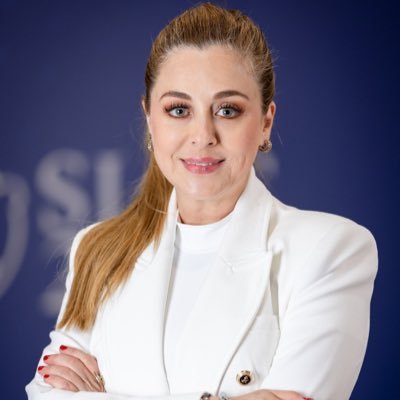
Ana Munera Echeverri
SIAC President-Elect, Internal Medicine and Cardiology
Interamerican Society of Cardiology (SIAC) & University Pontificia Bolivariana
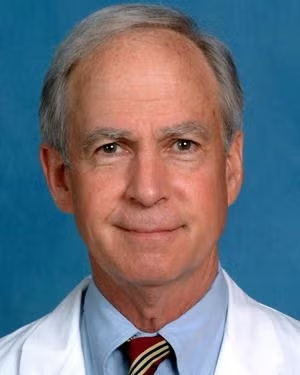
Sidney Smith
Professor of Medicine & WHF/ AHA Past President
UNC School of Medicine
|
| 9:15 – 10:00 |
Risk promoters and potentiators: Indoor air pollution This important session addresses the often-overlooked health risks of indoor air pollution and its profound impact on cardiovascular disease, particularly in vulnerable populations such as women and children in low- and middle-income countries. Moderated by Dr. Nupoor Narula, experts from WHO, St. Jude, UT Health, Trivedi School of Biosciences, and National Geographic explore the link between indoor air pollution, noncommunicable diseases, and health equity. The panel highlights real-world examples, including India’s Ujjwala Yojana program and grassroots community-led clean cooking initiatives. Key discussions focus on scalable public health solutions, clean energy transitions, policy advocacy, private sector engagement, and integrating air quality into cardiovascular prevention strategies. This session provides actionable insights for policymakers, healthcare leaders, and global health advocates working to address environmental determinants of cardiovascular and population health worldwide. 
Nupoor Narula – Moderator
Assistant Professor of Medicine
Weill Cornell Medical College

Annie Griffiths
Photographer
National Geographic
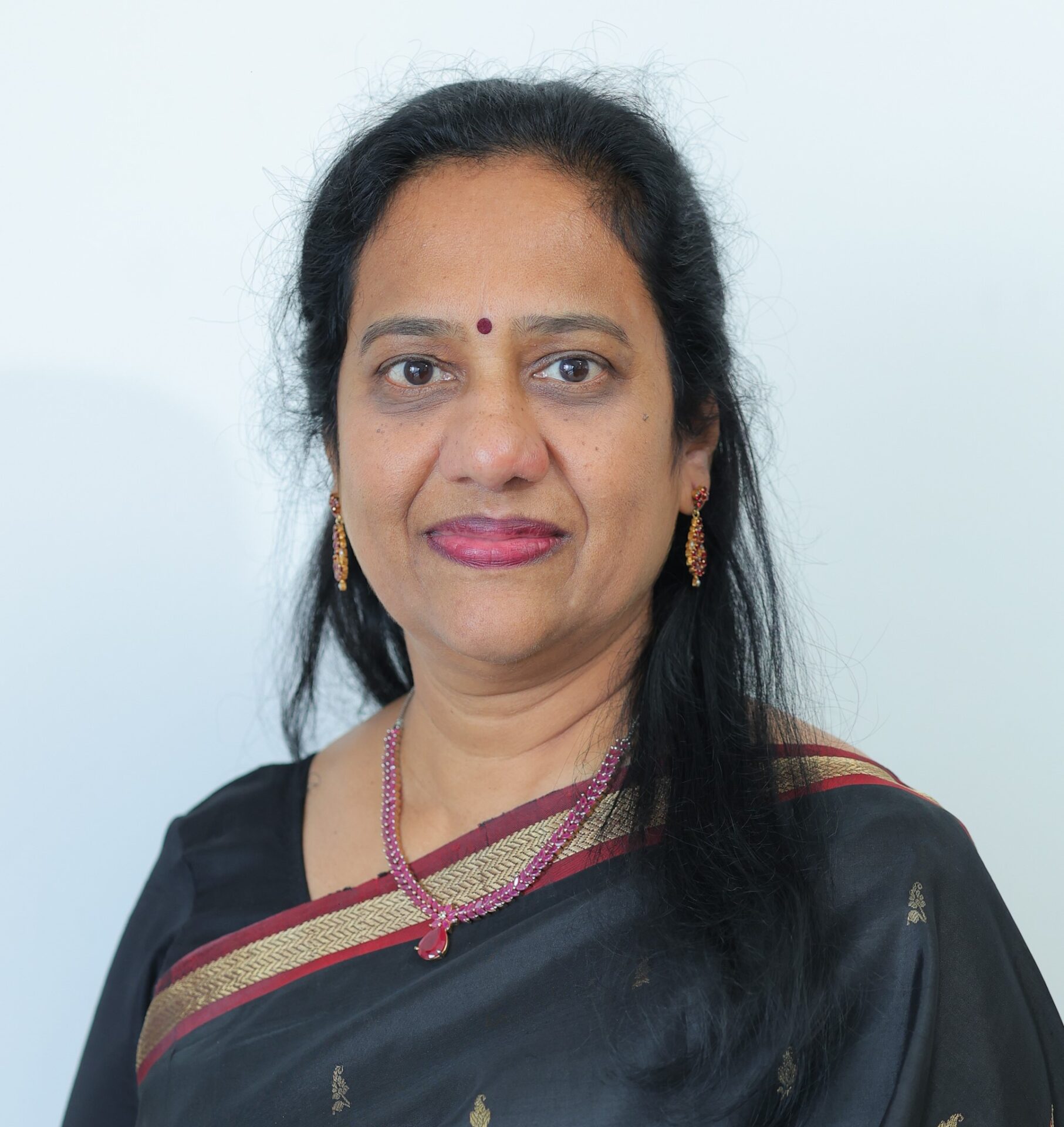
Poornima Prabhakaran
Director, Centre for Health Analytics Research and Trends
Trivedi School of Biosciences
Bente Mikkelsen
WHF Advocacy Committee Chair and Director, Global Engagement Strategies
St. Jude Children’s Research Hospital
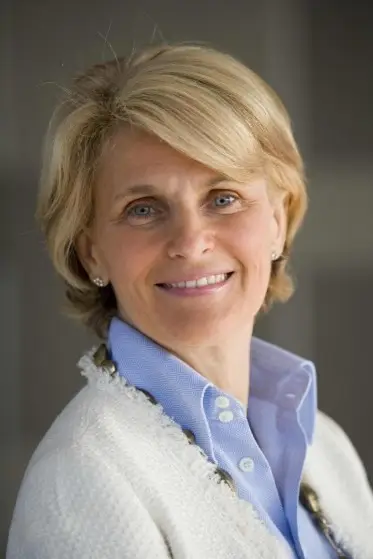
Maria Neira
Director, Public Health, Environment and Social Determinants of Health Department (PHE)
World Health Organization

Maria Fernandez
Vice President of Population Health and Implementation Science
University of Texas Health Science Center
|
| 10:00 – 10:45 |
Unveiling Hidden Drivers of Cardiovascular Disease: Sugar in childhood & Beyond This session explores the hidden role of sugar consumption in driving cardiovascular disease, obesity, diabetes, and metabolic disorders from childhood through adulthood. Moderated by Dr. Nupoor Narula, global experts from the University of Oxford, University of Southern California, The George Institute, and the World Obesity Federation examine cutting-edge research linking early-life sugar exposure to long-term health risks. The panel highlights new findings from quasi-experimental studies, including UK post-war sugar rationing data, showing reduced risks of diabetes, hypertension, and cardiovascular events when sugar intake is limited early in life. Discussions address the role of obesity prevention, health policy, taxation strategies such as soda taxes, reformulation, clear food labeling, and industry accountability. Speakers emphasize the importance of early interventions, parental education, and public health advocacy to reduce sugar consumption and its global health and economic burdens. This comprehensive session offers actionable insights for policymakers, healthcare providers, and public health leaders worldwide.
Nupoor Narula – Moderator
Assistant Professor of Medicine
Weill Cornell Medical College
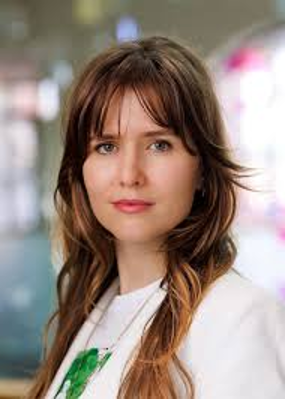
Tadeja Gracner
Senior Scientist, Economist, Center for Social and Economic Research
University of Southern California, USA

Amanda Adler
Professor of Diabetic Medicine and Health Policy
Radcliffe Department of Medicine, University of Oxford
Johanna Ralston
CEO
Amanda Adler
Bruce Neal
Executive Director
The George Institute for Global Health, Australia
|
| 10:45 – 11:30 |
CVD in the Aftermath of War & Conflicts This impactful session examines the devastating consequences of war, conflict, and humanitarian crises on cardiovascular health and noncommunicable diseases. Moderated by Finn Jarle Rode, global experts from the World Innovation Summit for Health, Lee Health Heart Institute, Emergency, St. John’s Medical College, and UNC School of Medicine discuss the unique challenges of delivering cardiovascular care in conflict zones. The panel explores disrupted healthcare systems, medication shortages, interrupted care for chronic conditions, and the long-term impact of trauma and forced displacement. Strategies for strengthening healthcare resilience include emergency preparedness, pre-positioning essential medicines, task-shifting to community health workers, mobile care delivery, telemedicine, and coordinated global advocacy. The session emphasizes the critical need for better data, international collaboration, protection of healthcare infrastructure, and stronger integration of NCD care into emergency response frameworks. A vital resource for health leaders, policymakers, and humanitarian organizations.
Finn Jarle Rode – Moderator
CEO
Finn Jarle Rode – Moderator CEO World Heart Federation
Slim Slama
CEO
World Innovation Summit for Health, Qatar Foundation
Richard Chazal
Senior Cardiologist and Medical Director for Quality, Transformation, Innovation
Lee Health Heart Institute

Rossella Miccio
President
Emergency
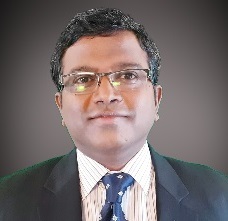
Denis Xavier
Professor and Head, Pharmacology, and Head, Division of Clinical Research and Training
St. John's Medical College and Research Institute
Sidney Smith
Professor of Medicine & WHF/ AHA Past President
UNC School of Medicine
|
| 11:30 – 12:00 |
Coffee break |
|
12:00 – 12:45
Navigating the opportunities and challenges of AI in cardiovascular health This forward-looking session explores how artificial intelligence (AI) and data-driven innovation are transforming cardiovascular care, prevention, and population health. Moderated by Ann Aerts (Novartis Foundation), global experts from UVA Health, NYU, St George’s University of London, EPFL Lausanne, and the Qatar Foundation highlight the critical role of AI in diagnostics, imaging, clinical decision-making, and precision population health. The panel discusses how integrating social determinants of health, wearables, genetics, and environmental data can identify at-risk groups and enable more targeted prevention strategies. Real-world initiatives like AI for Healthy Cities and Cardio for Cities demonstrate how public-private partnerships can drive actionable insights and equitable healthcare interventions. The session emphasizes AI’s potential to predict cardiovascular risk, optimize resource allocation, strengthen healthcare systems, and ultimately reduce the global burden of heart disease and obesity across diverse populations. 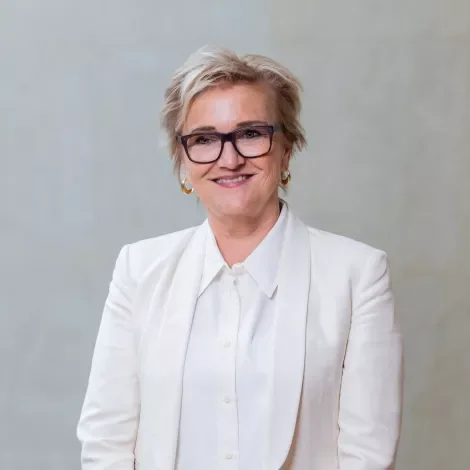
Ann Aerts – Moderator
Head
Novartis Foundation
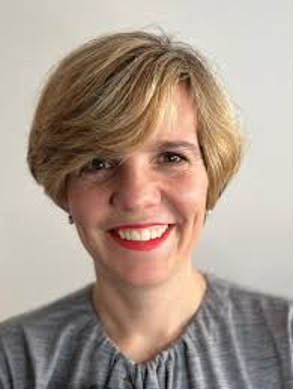
Julia Bielicki
Full Professor of Paediatric Infectious Diseases
St George’s, University of London
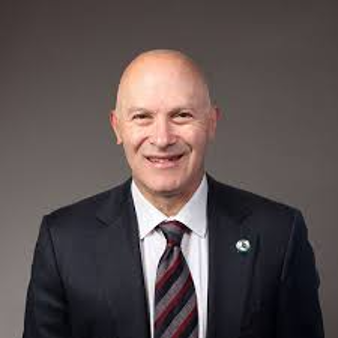
Christopher Kramer
Chief, Cardiovascular Division and George A. Beller MD Distinguished Professor of CV Medicine
UVA Health
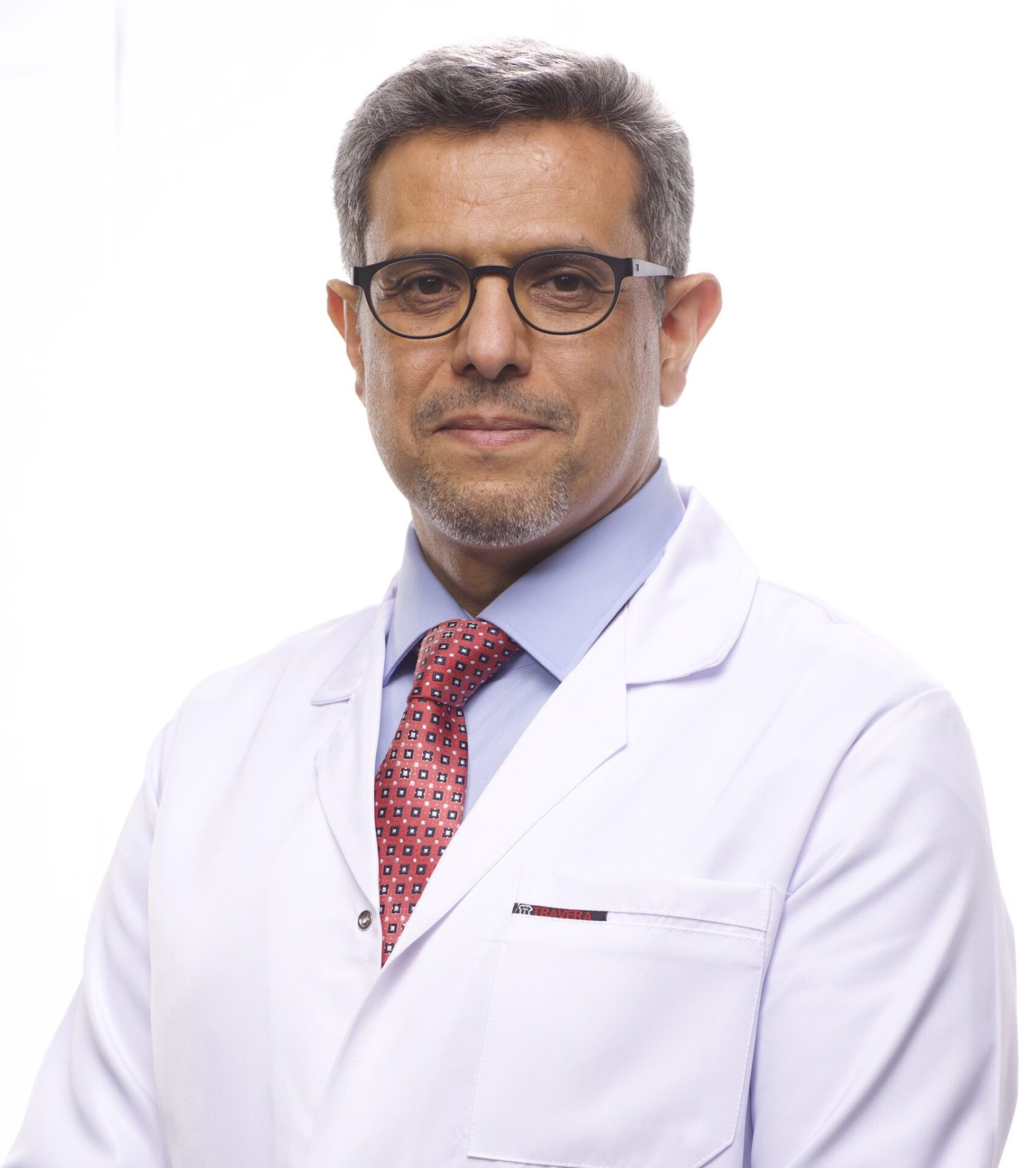
Hilal Lashuel
Ass. Prof. of Life Sciences, Director of the Laboratory of Chemical Biology of Neurodegeneration
Brain Mind Institute, Swiss Federal Institute of Technology Lausanne, Switzerland
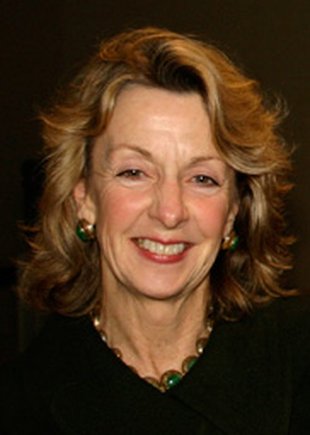
Jo Ivey Boufford
Professor of Global Public Health & Past President of the NY Academy of Medicine, and of the International Society of Urban Health
New York University
|
|
| 12:45 – 14:00 |
Lunch Break |
| 12:45 – 13:15 |
Fireside chat – Viatris: Increasing awareness of the symptoms of Myocardial Infarction This powerful fireside chat explores how early recognition of myocardial infarction symptoms can save lives, especially among underserved populations. Moderated by WHF President Jagat Narula, the panel features Hyvelle Ferguson-Davis (Heart Sistas) sharing her lived experience and advocacy work, alongside Joris Van Vugt (Viatris) offering insights from the healthcare industry. The discussion highlights systemic barriers such as delayed diagnosis, misinterpretation of symptoms in women and minorities, and healthcare inequities that burden patients and families. Speakers emphasize the need for community-based advocacy, trust-building, culturally tailored public health campaigns, and healthcare professional education to improve symptom recognition and timely response. Industry innovations, including ongoing clinical trials exploring self-administered antiplatelet therapies, are discussed as potential tools to reduce risk in high-burden settings. This session offers valuable insights for health leaders, policymakers, and patient advocates aiming to improve cardiovascular outcomes and equity. 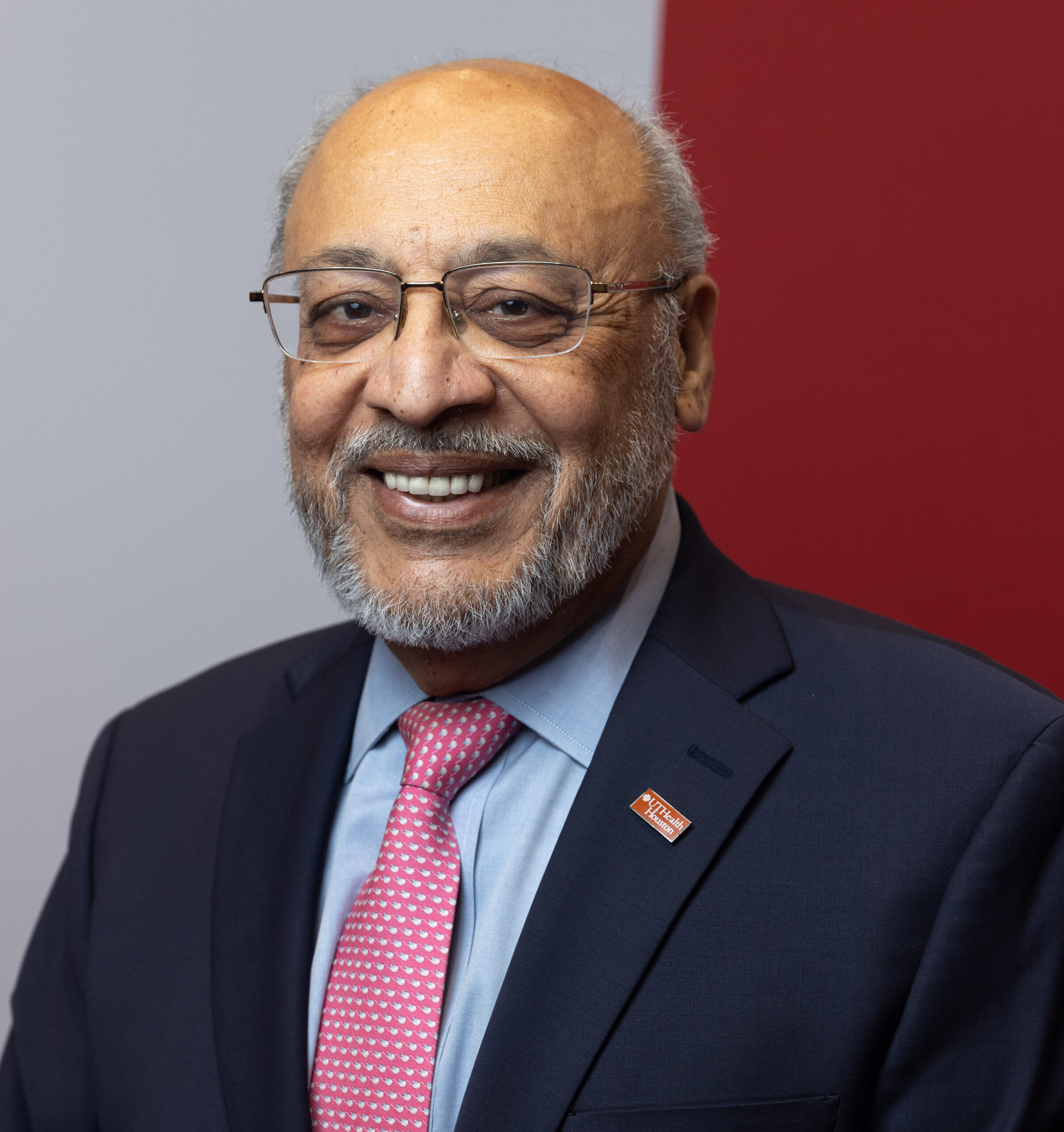
Jagat Narula – Moderator
President
World Heart Federation
Hyvelle Ferguson-Davis
Founder
Heart Sistas
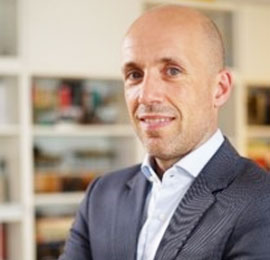
Joris Van Vugt
Senior Medical Director
Viatris Medical Affairs
|
| 14:00 – 14:45 |
Building Healthy Hearts: Promotion of Cardiovascular Healthy from Childhood This expert panel explores the critical importance of promoting cardiovascular health starting in childhood to reduce the global burden of heart disease. Moderated by Gregory Lim (Nature Reviews Cardiology), leaders from the Mayo Clinic, Amrita Institute, American Heart Association, Ministry of Health Qatar, University of Lagos, Africa NCDs Network, and Ashoka University examine the life-course approach to cardiovascular prevention. The session highlights the role of maternal nutrition, childhood obesity, early education, urbanization, and socioeconomic factors driving early onset cardiovascular risk, particularly in LMICs. Speakers discuss evidence-based interventions including school-based health programs, sugary beverage taxation, tobacco control, digital health tools, youth-led advocacy, and policy reforms. Cultural, environmental, and structural barriers are addressed alongside strategies to make healthy choices easier and sustainable. This session offers a comprehensive roadmap for policymakers, healthcare leaders, and global health advocates to build healthier generations worldwide. 
Gregory Lim – Moderator
Chief Editor
Nature Reviews Cardiology
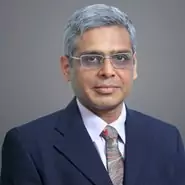
Krishna Kumar
Clinical Professor and Head, Pediatric Cardiology
Amrita Institute of Medical Sciences and Research Centre
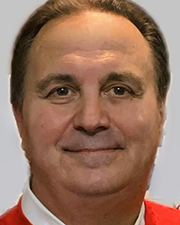
Mark Schoeberl
Executive Vice President of Advocacy
American Heart Association
Amam Mbakwem
WHF Vice-President and Professor of Medicine
University of Lagos
Francisco Lopez Jimenez
Chair, Division of Preventive Cardiology
Mayo Clinic

Ferdinant Sonyuy Mbiydzenyuy
Executive Director / Secretary General
Africa NCDs Network / Cameroon NCD Alliance
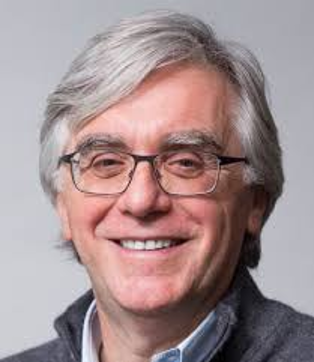
Roberto Bertollini
Public Health Advisor
Ministry of Health of Qatar
|
| 14:45 – 15:30 |
Cardio 4 Cities: Measuring and Transforming Urban Cardiovascular Health This session presents Cardio for Cities, a global, scalable model to prevent cardiovascular disease (CVD) through city-based, data-driven interventions. Moderated by Ann Aerts (Novartis Foundation), panelists from the World Heart Federation, Swiss Re, Australia’s Ministry of Health, KU Leuven, and Umane explore how cities can serve as hubs for innovative public health action. The discussion highlights integrated care models, hypertension screening, cholesterol management, digital health tools, and multi-sector coalitions combining policymakers, insurers, civil society, and health systems. Speakers share real-world experiences from Brazil, Belgium, Australia, and beyond, demonstrating how locally tailored CVD prevention programs are already reducing stroke and heart attack rates while strengthening primary care access. With a focus on data integration, population health management, behavioral interventions, and sustainable governance, Cardio for Cities offers a proven roadmap for urban populations worldwide to tackle rising cardiovascular risk.
Ann Aerts – Moderator
Head
Novartis Foundation
Jagat Narula
President
World Heart Federation
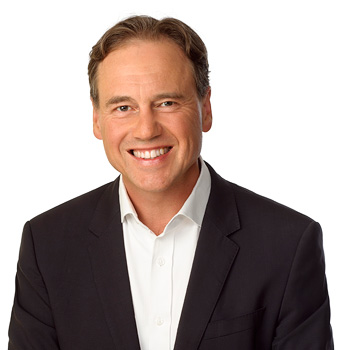
Prof. Greg Hunt
Former Minister for Health and Aged Care
Australia
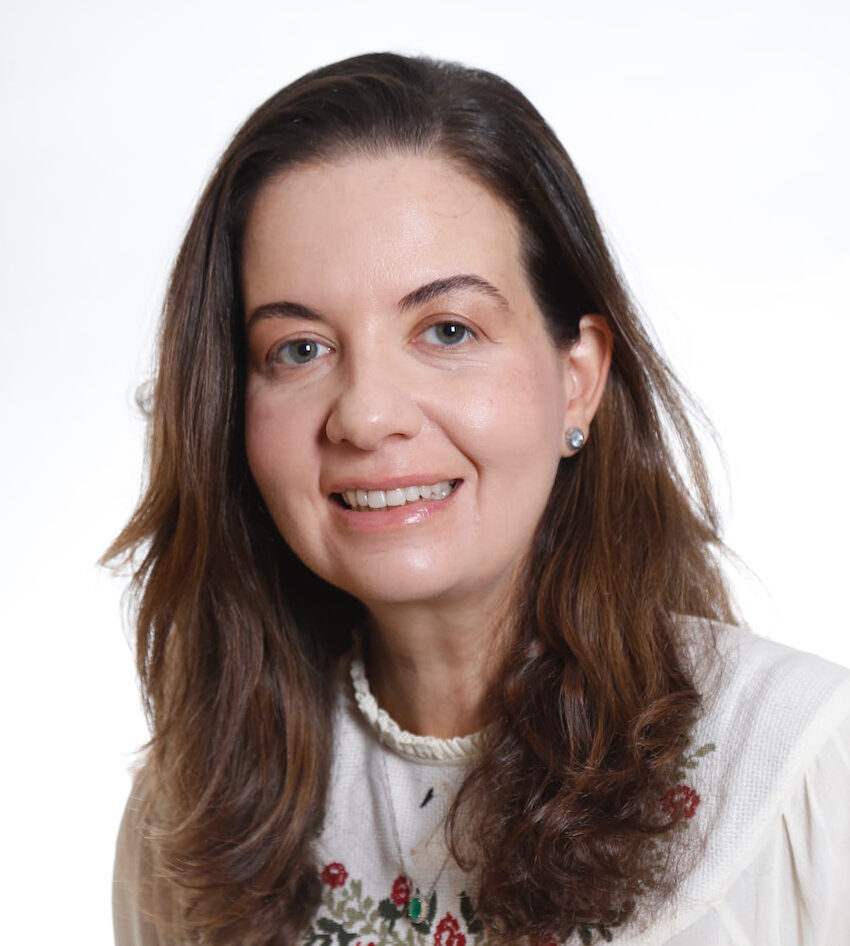
Thais Junqueira
CEO
Umane
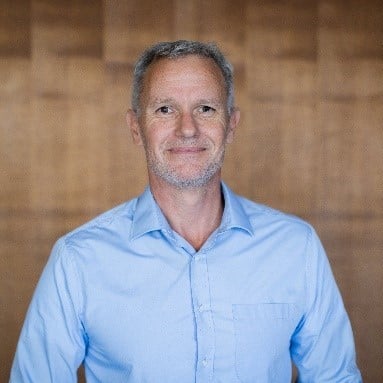
John Schoonbee
Global Chief Medical Officer
Swiss Re
Bert Vaes
Professor at the Faculty of Medicine
KU Leuven
|
| 15:30 – 16:45 |
Joint Session with NCD Alliance / NCD Action in a Changing World: Priorities for the fourth UN High-Level Meeting on NCDs and Mental Health This closing session focuses on global preparations for the 2025 United Nations High-Level Meeting on Noncommunicable Diseases (NCDs). Moderated by Richard Horton (The Lancet), leaders from the World Heart Federation, NCD Alliance, WHO, GAVI, Resolve to Save Lives, Blue Circle Diabetes Foundation, and global health policy institutions discuss the urgent need for bold political commitments, financing, and accountability to meet global NCD targets. The session highlights the central role of hypertension control, taxation of tobacco, alcohol, and sugary drinks, and stronger regulation of commercial determinants of health. Panelists stress the integration of NCD care within primary healthcare, community-led advocacy, and the engagement of lived-experience voices in policymaking. As global health financing faces severe challenges, speakers call for innovative partnerships, domestic resource mobilization, and stronger multilateral action to reduce premature deaths from NCDs and meet Sustainable Development Goal 3.4. 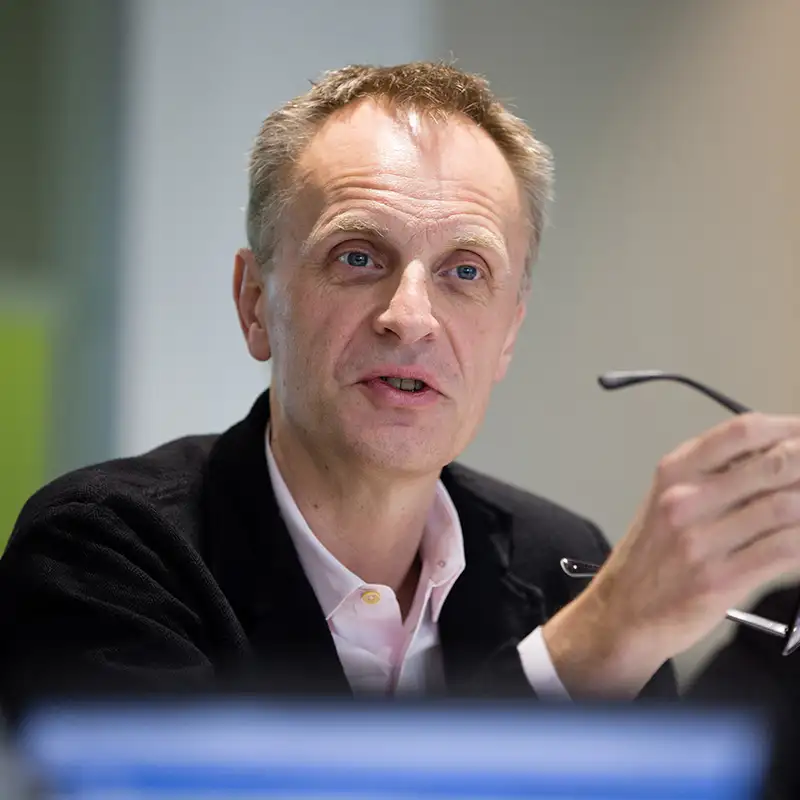
Richard Horton – Moderator
Editor-in-Chief
The Lancet
Jagat Narula
President
World Heart Federation
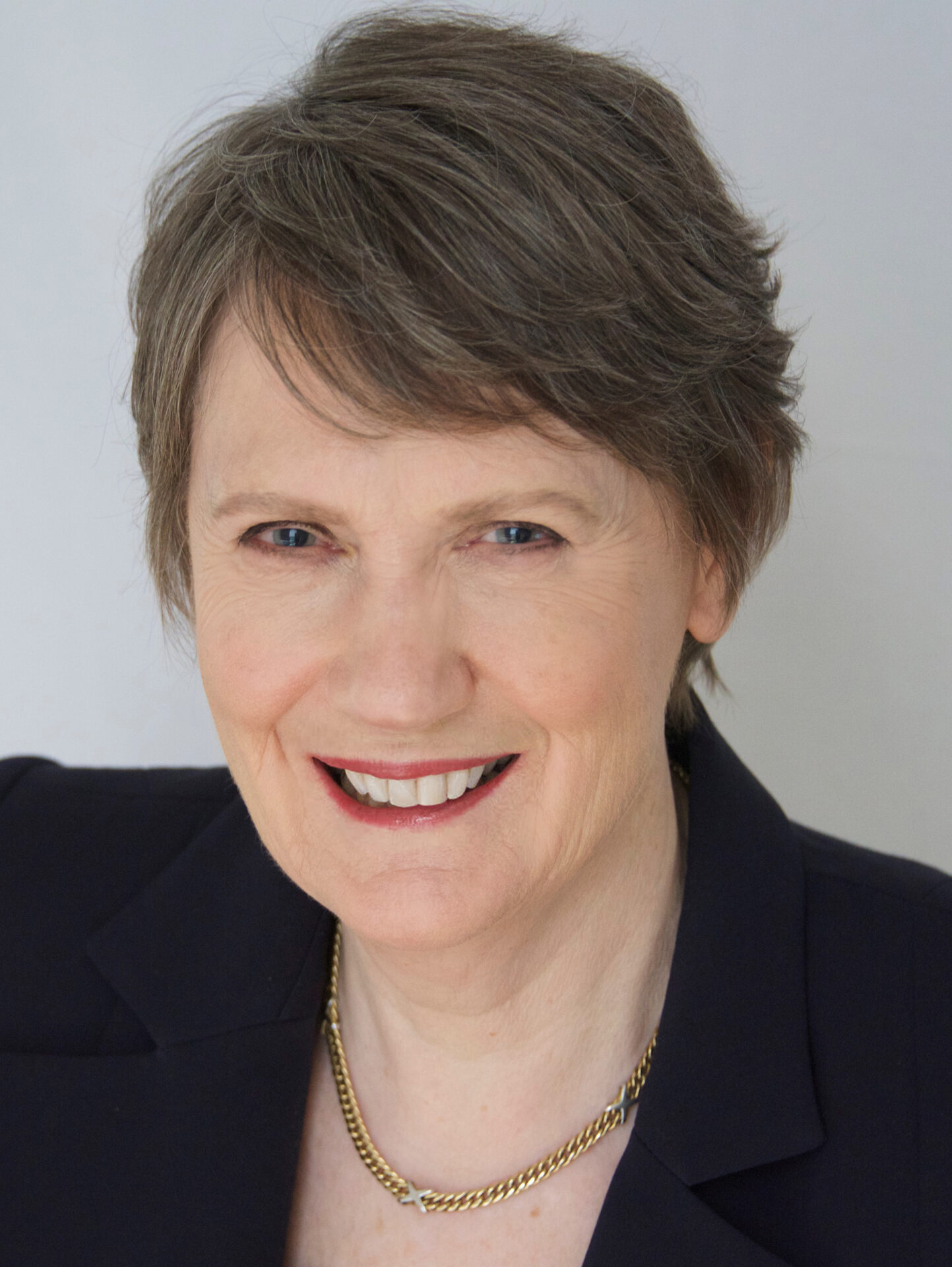
Helen Clark
Former Prime Minister of New Zealand and Administrator.
UNDP
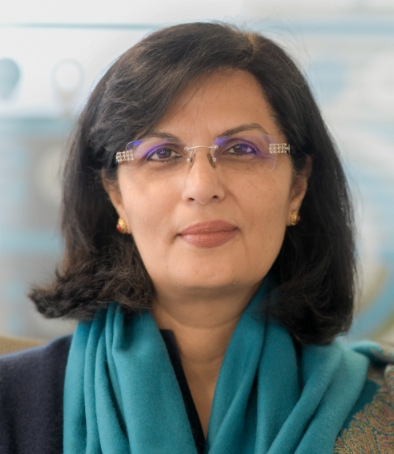
Sania Nishtar
CEO
GAVI
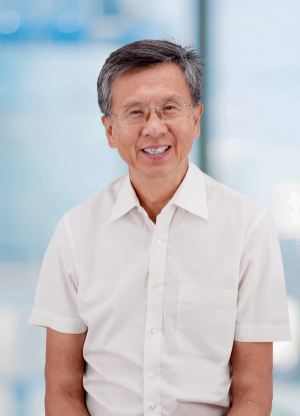
Viroj Tangcharoensathien
Senior Advisor
International Health Policy Foundation, Thailand
Tom Frieden
President and CEO
Resolve to Save Lives
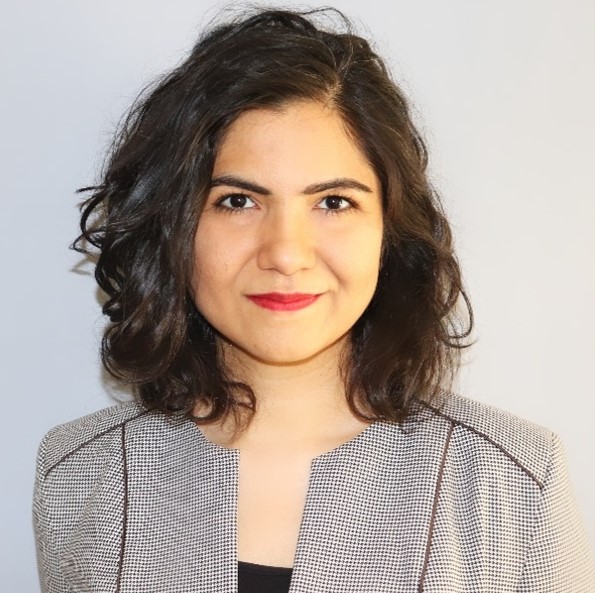
Nupur Lalvani
Founder
Blue Circle Diabetes Foundation
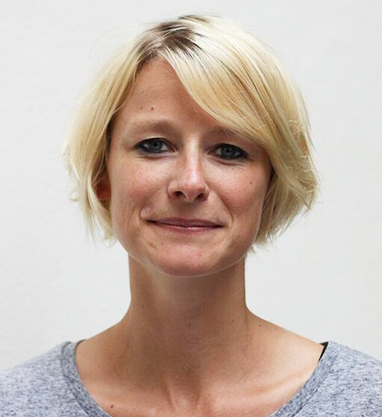
Katie Dain
CEO
NCD Alliance

Leslie Rae Ferat
President
NCD Alliance
|
THE WORLD HEART SUMMIT 2025 WAS MADE POSSIBLE BY THE FOLLOWING PARTNERS













WORLD HEART SUMMIT 2024 – HIGHLIGHTS