Colours to Save Hearts is a programme developed by the World Heart Federation with technical and financial support from the State of Geneva, Direct Relief, Foundation Le Petit Coeur, Edwards Lifesciences Foundation, Mended Hearts, the Heart Fund, Direct Relief, Instituto Nacional de Saúde (INS) and the Mozambique Institute for Health Education and Research (MIHER).
The project is being initially implemented in Mozambique, which has an estimated 3% incidence of rheumatic heart disease (RHD) – one of the highest rates among school-aged children in sub-Saharan Africa.
Colours to Save Hearts is a WHF project in Maputo, operated by MIHER and implemented by INS.
Rheumatic heart disease is a preventable cardiovascular disease which affects 39 million people worldwide, mostly children and young adults. Mozambique has some of the highest rates of RHD in sub-Saharan Africa among school-age children, estimated at around 3%.
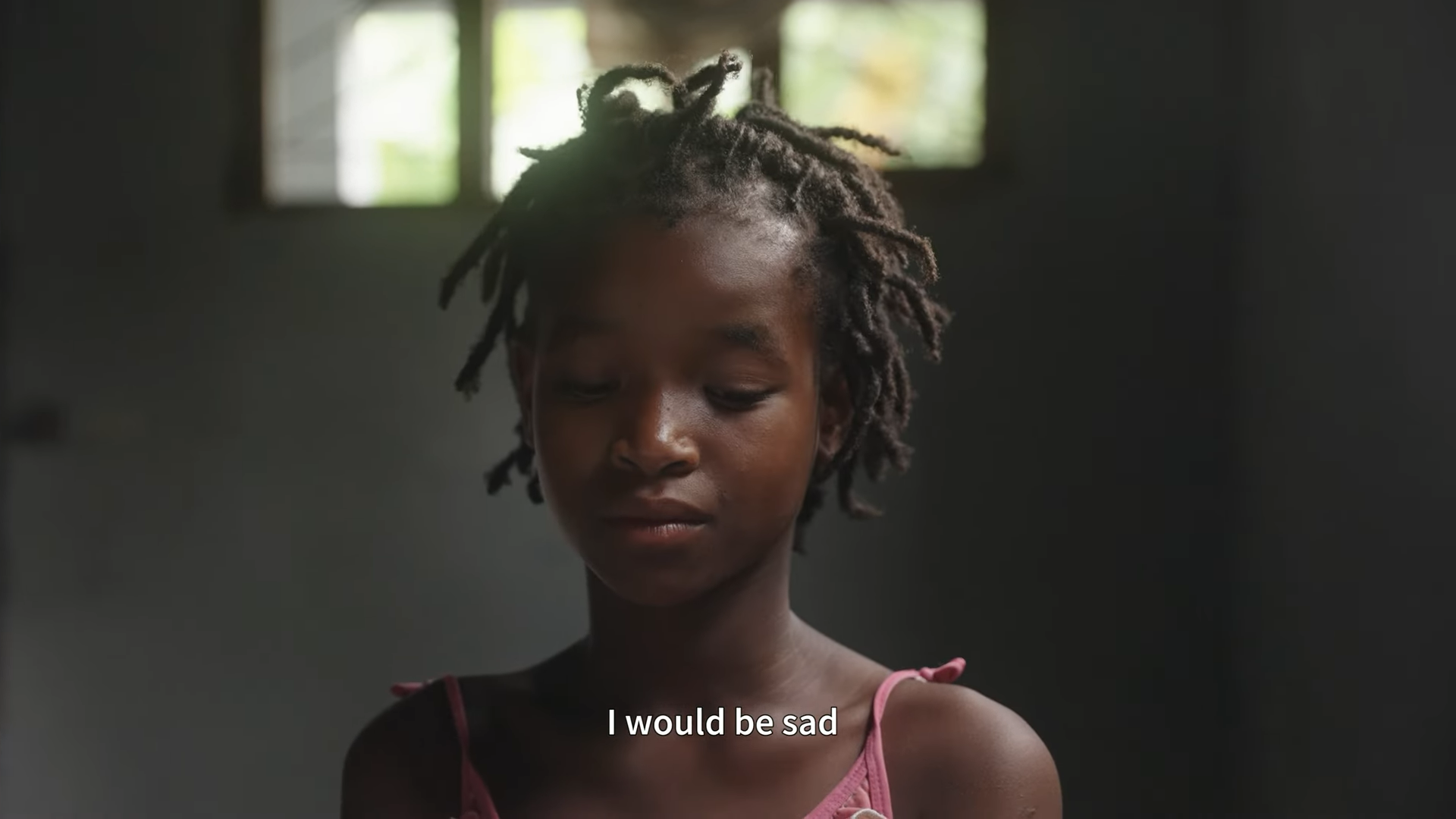
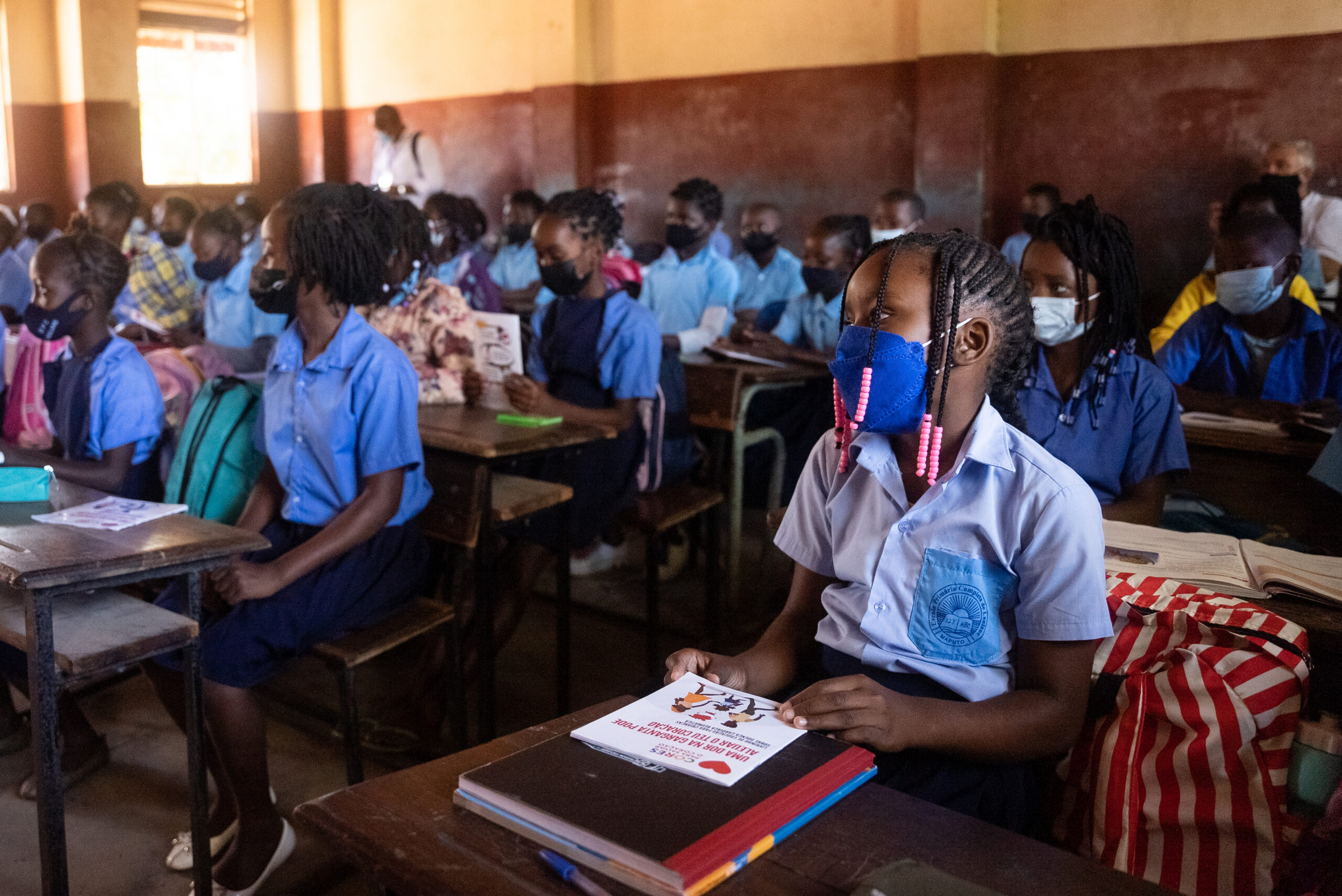
Colours to Save Hearts is an initiative aimed at raising awareness of rheumatic heart disease among children, teachers and parents, and educate them about the link between sore throat and rheumatic heart disease, how to recognise symptoms and what to do when they first appear.
Colours to Save Hearts comes at a time when the world’s focus on health is heightened by the COVID-19 pandemic. Underlying conditions such as rheumatic heart disease can increase a person’s risk of health complications if infected. Through increased awareness, improved access to treatment, and investment in affordable care, we can make RHD a disease of the past.
Donate now to support our fight to end rheumatic heart disease
It starts with a colouring crayon…
…but it doesn’t end there.
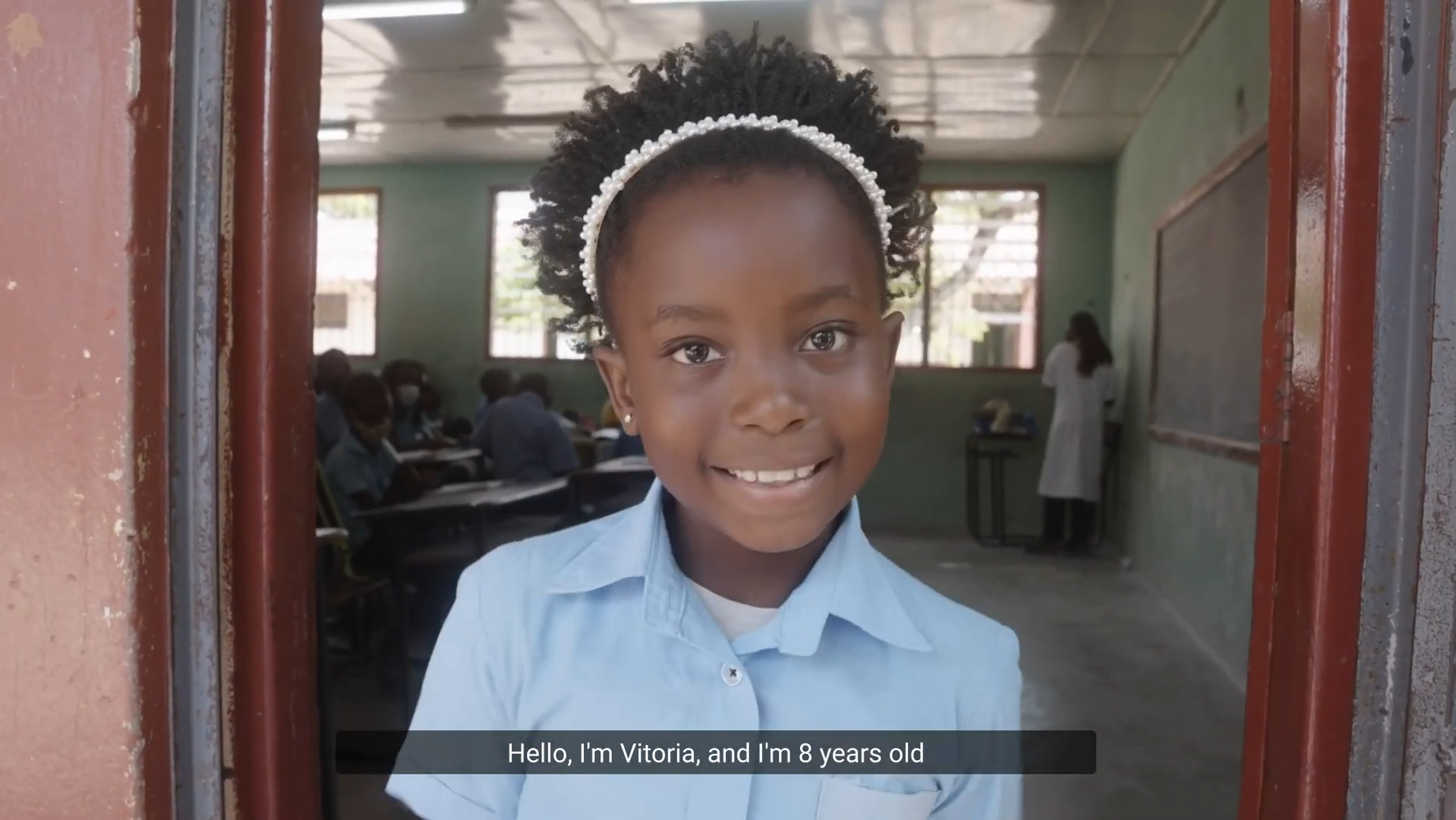
This project started as a small campaign to raise awareness about RHD among school-age children in Mozambique, using nothing but a colouring book and some colouring crayons. It has since evolved into a much more ambitious project, aiming to educate children, teachers and parents to detect the first signs of strep throat, to train health workers on RHD prevention, and to support the capacity of local hospitals for much-needed surgeries to repair or replace damaged heart valves.
Our impact
- Increase awareness of rheumatic heart disease and its warning signs among children, parents and teachers.
- Give healthcare professionals the tools they need to monitor, diagnose and manage RHD and rheumatic fever in their communities.
- Strengthen health systems and structures to enable early detection and swift referral when needed.
- Increase awareness of RF and RHD, and the importance of prevention, among health authorities.
- Support the capacity for cardiac surgery in local hospitals.
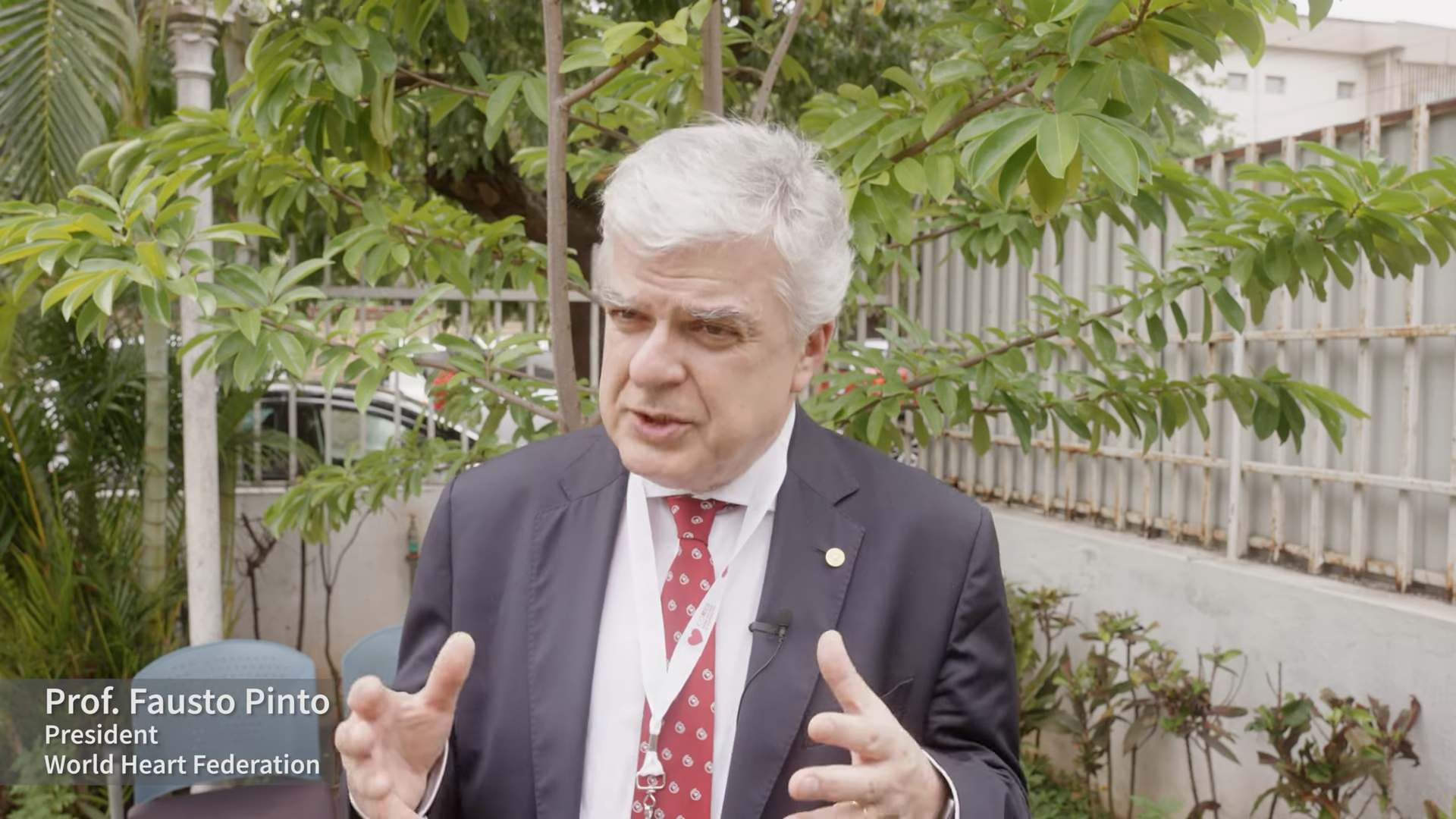
Watch the interviews of Prof René Prêtre, a renowned cardiologist and partner of WHF, and Prof Ana Mocumbi, Head of the NCDs Division at the National Public Health Institute Mozambique, and learn more about the importance of the Colours to Save Hearts programme.
Pilot project developed with the support of


Latest News
Accelerating Action on Air Pollution and Cardiovascular Health in the African Region
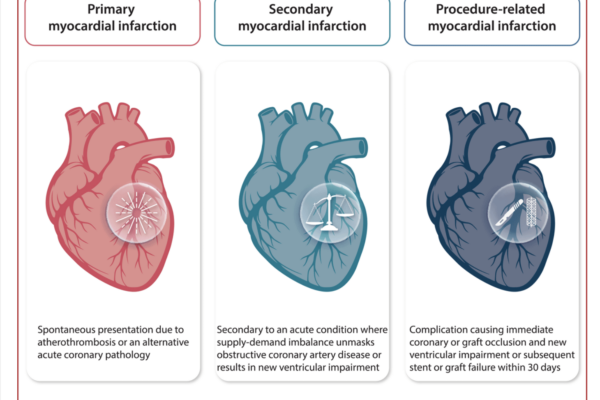
A new definition of heart attack will help improve the diagnosis of women

Beats of Change – Heart Valve Disease in Women
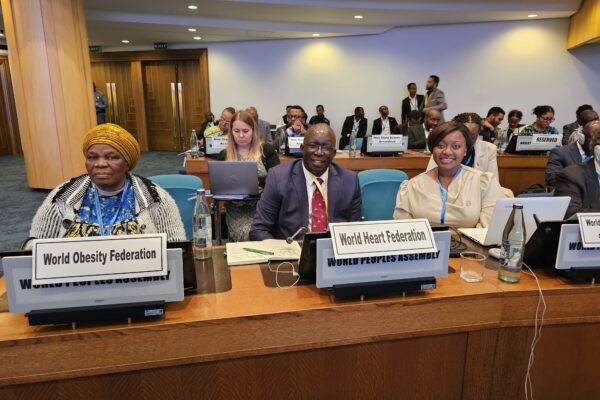
Advancing Universal Health Coverage for Cardiovascular Health in Africa
From evidence to action: The World Heart Federation launches the Framework for A Cardiovascular Health Action Plans
World Heart Federation Declares 2026 the Year of Neglected Cardiac Diseases

World Heart Federation launches 2026 Don’t Miss a Beat campaign to highlight hidden symptoms of heart disease

No more fragmented action: the case for national cardiovascular health plans
World Heart Federation launches new Roadmap to advance lifelong cardiovascular health
Resources
Time to end RHD: Prof Liesl Zühlke