
12:30 – 13:30 – SESIÓN 3
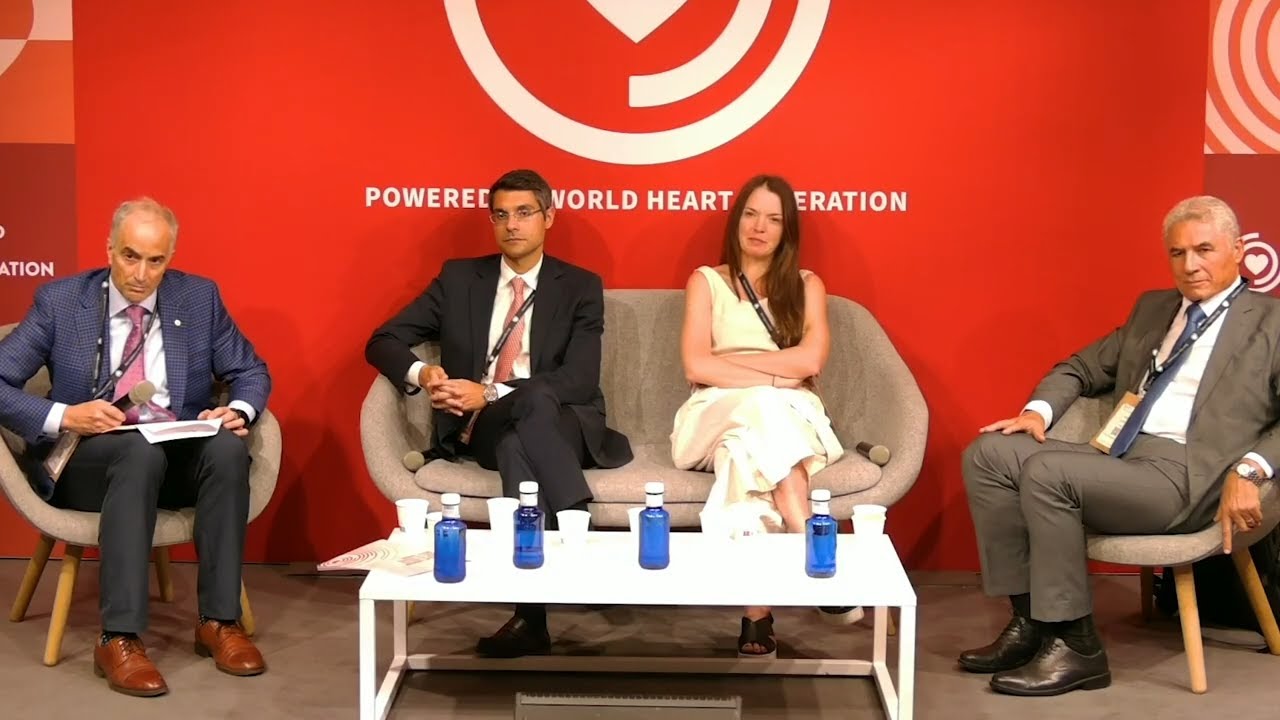
Mejorar la salud cardiovascular mediante terapias combinadas en un solo comprimido: presentación de la Hoja de ruta SPC de la WHF
Aspectos destacados de la sesión
En esta conversación del «Heart Café» de la WHF, el moderadorTom Gaziano(Brigham & Women’s/Harvard) habla conEnrico G. Ferro,Adrianna Murphy yHabib Gamra—con la participación de los «Líderes Emergentes» de la WHF— sobre la ampliación del uso delas combinaciones en un solo comprimido (SPC)para la prevención cardiovascular y la prevención secundaria. El panel resume la evidencia sobrela adherencia al tratamiento y los resultados, laHoja de ruta de la WHF sobre las SPC,la rentabilidad y las vías pragmáticas para garantizarsu disponibilidad, asequibilidad y adopciónen sistemas sanitarios de ingresos altos, medios y bajos.
Puntos clave
Las pruebas son sólidas
Los SPC mejoranla adherenciaal tratamiento (≈10 % en términos absolutos en la prevención primaria) y producen reducciones significativas dela presión arterial sistólica,el colesterol LDL ylos eventos cardiovasculares adversos graves, tanto en la prevención primaria como en la secundaria.
De los ensayos clínicos al uso esencial
Los SPC y las «polipíldoras» figuran en las listas de medicamentos esenciales; la Hoja de ruta de la WHF se centra en convertir los conocimientos científicos recogidos en las guías clínicas enpolíticasy serviciosaplicables.
La relación coste-eficacia es favorable
Los modelos muestran un bajo coste incremental por AVAC en comparación con los comprimidos individuales; los costes totales del sistema pueden reducirse gracias aun proceso de adquisición más sencillo,un menor número de referencias yla dispensación para varios meses.
Tres obstáculos, tres palancas
La disponibilidad(obstáculos normativos y de la cadena de suministro),la asequibilidad(precios frente a los medicamentos genéricos; compras conjuntas; licencias voluntarias) yla adopción(inercia de los médicos prescriptores; concienciación de los pacientes) requieren una actuación coordinada.
Las vías de atención primaria son importantes
Incorporar los SPC enla atención primariay en los itinerarios clínicos de enfermedades cardiovascularesdirigidos por enfermeras; armonizarlos con protocolos del tipo HEARTS, el reparto de tareas y el apoyo a la toma de decisiones para llegar a entornos rurales y desatendidos.
Generar «atractivo» para el sector
Las señales claras de demanda por parte delos ministerios de Sanidad,las entidades pagadoras ylas sociedades nacionales(formularios estandarizados, compromisos de volumen) reducen los precios y facilitan la entrada en el mercado.
Los «Líderes Emergentes» de la WHF en acción
Los proyectos de los casos prácticos se centran enla disponibilidad(mapeo de la cadena de suministro en Uganda y Nigeria),la adopción(formación en línea co-creada para profesionales que prescriben medicamentos en Kenia) yla asequibilidad(criterios para incluir los SPC en las listas nacionales de medicamentos esenciales).
¿A quién va dirigido?
Cardiólogos, internistas, médicos de cabecera, enfermeros, farmacéuticos, entidades financiadoras, responsables políticos, responsables de la cadena de suministro y defensores que trabajan enla prevención de la hipertensión y la ASCVD,la prevención secundaria tras un infarto de miocardio,las políticas sobre medicamentos esenciales yla integración de los sistemas sanitariosen contextos de ingresos altos, medios y bajos.
Sesión sobre SPC (combinaciones en un solo comprimido) – Preguntas frecuentes
- ¿Qué es una combinación en un solo comprimido (SPC) y por qué se utiliza?
- Un SPC combina medicamentos cardiovasculares de eficacia probada (por ejemplo, antihipertensivos, estatinas y antiagregantes plaquetarios) en un solo comprimido para mejorarla adherencia al tratamiento, controlarla presión arterial y el colesterol LDL, y reducirla incidencia de eventosen comparación con la toma de varios comprimidos por separado.
- ¿Son los SPC más rentables que los medicamentos genéricos independientes?
- Sí, en la mayoría de los casos. A pesar de las variaciones en el precio unitario, el valor global mejora gracias a unos mejores resultados,una gestión más ágilde las compras, una menor carga administrativaen la dispensacióny menos casos de falta de existencias, especialmente con la compra conjunta y los formularios estandarizados.
- ¿Cómo pueden los países ampliar el acceso rápidamente?
- Incluir los medicamentos de interés estratégico (SPC) prioritarios enlas listas nacionales de medicamentos esenciales (EML)y en los paquetes de prestaciones; recurrir ala adquisición conjuntay alas garantías de volumen; armonizar los requisitosnormativosa nivel regional; y adoptarprotocolos de atención primariasimilares a los de HEARTS, con dispensación para varios meses.
- ¿Cómo podemos superar la inercia de los prescriptores y generar demanda?
- Implantarrecursos de formación en líneay herramientas de apoyo a la toma de decisiones concisos y diseñados de forma conjunta para médicos de cabecera y personal de enfermería; integrar los resúmenes de las características del producto (SPC) enlas guías clínicasy las cartas de alta; informar a los pacientes sobrela comodidad de tomar un solo comprimidoy los resultados; y conseguir el respaldo delas sociedades nacionales.