
14:30 – 15:30 – SESIÓN 2
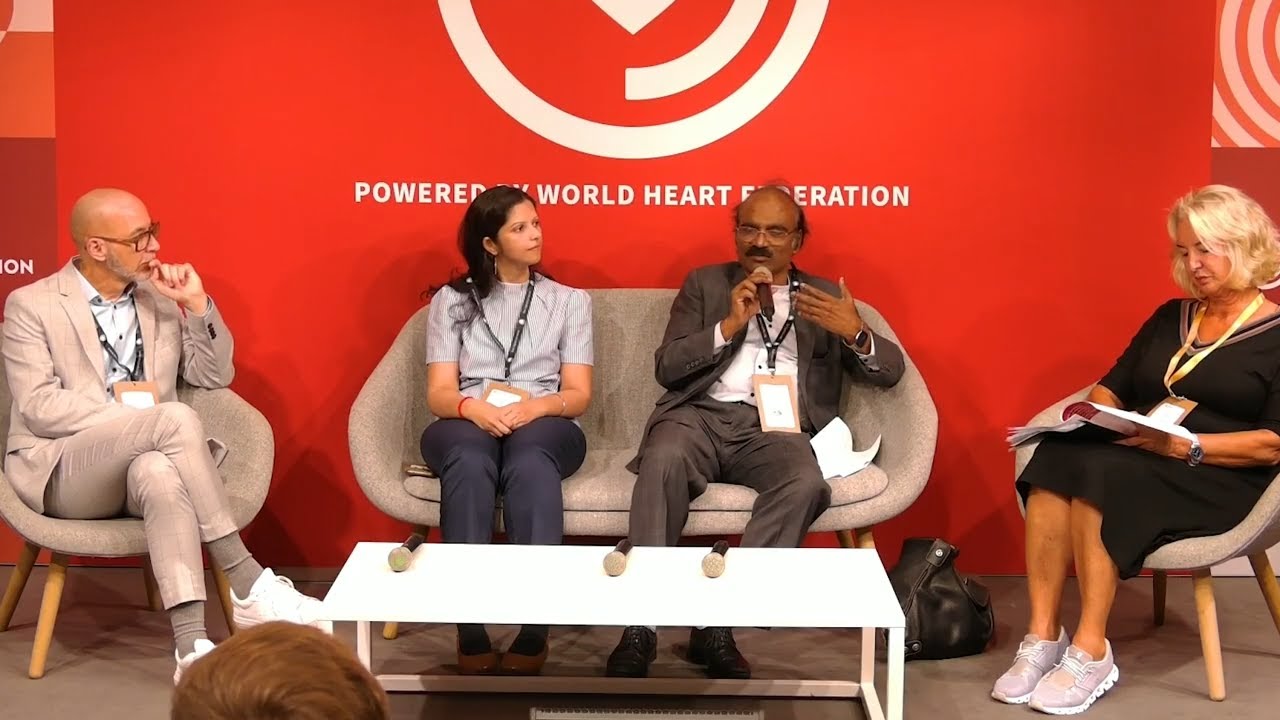
Nuevos conocimientos y perspectivas de futuro en el ámbito de las enfermedades infecciosas y la salud cardiovascular
Aspectos destacados de la sesión
En esta conversación del «Heart Café» de la WHF,Dorairaj Prabhakaranmodera una mesa redonda conKaren Sliwa,Kavita Singh ySven Schellbergsobre los vínculos bidireccionales entrelas enfermedades infecciosas(COVID-19, gripe, VIH) ylas enfermedades cardiovasculares (ECV). El debate aborda las pruebas científicas sobre el riesgo cardiovascular tras una infección, la carga que suponeel «COVID prolongado» y los modelos pragmáticos parasistemas sanitarios integrados y resilientes,entre los que se incluyen las teleconsultas dirigidas por enfermeras, el refuerzo de la atención primaria y la interoperabilidad de los datos en entornos de ingresos bajos y medios.
Puntos clave
Las infecciones pueden desencadenar episodios de enfermedades cardiovasculares
La gripe previa y la COVID-19 se asocian con un mayor riesgo a corto plazo desufrir un infarto de miocardioy otros episodios; las personas con enfermedades cardiovasculares o factores de riesgo presentaban una mortalidad por COVID-19 aproximadamente tres veces mayor.
El «COVID prolongado» es un problema cardiovascular
En una cohorte multinacional del WHF, el 56 % de los participantes refería ≥1 síntoma al cabo de un mes (fatiga, disnea, dolor torácico, palpitaciones, ansiedad); alrededor del 25 % de estos síntomas persistía entre los 9 y los 12 meses, con nuevos diagnósticos destacados (por ejemplo, embolia pulmonar, ERC, hipertensión).
Endotelio y trombosis
La enfermedad en la era de la variante Ómicron se caracteriza poruna disfunción endotelialy un entorno protrombótico, lo que ayuda a explicar los episodios trombóticos tardíos y algunas muertes súbitas fuera del hospital.
Actúa con antelación, desde el primer contacto
La «ventana de oportunidad» en las enfermedades víricas es breve: hay que dotaral personal de enfermería, a los trabajadores comunitarios de salud y a los médicos de cabecerade protocolos y herramientas de apoyo a la toma de decisiones para que puedan realizar una evaluación y un tratamiento oportunos.
La integración es mejor que los compartimentos estancos
Incorporar de forma deliberadalos controles de la presión arterial y la glucosa, así como la gestión del riesgo de enfermedades cardiovasculares, en los protocolos de tratamiento de enfermedades infecciosas; utilizarla telesalud dirigida por el personal de enfermeríay el reparto de tareas para mantener la atención a los pacientes crónicos durante los picos de demanda.
Palancas de los sistemas
Dar prioridad ala interoperabilidad de los datos,las cadenas de suministro de medicamentos(por ejemplo, la insulina),la orientación a los pacientes y la protección de los grupos vulnerables para mantener los objetivos de la cobertura sanitaria universal.
Capacidad y preparación
Las redes de investigación multinacionales fomentan las competencias y recopilan datos; mantienen vivos los conocimientos adquiridos sobre la COVID-19 para prepararse ante la próxima pandemia.
¿A quién va dirigido?
Cardiólogos, médicos de cabecera, personal de enfermería, equipos de salud pública, responsables políticos, defensores de los derechos de los pacientes y líderes en el ámbito de la salud digital que trabajan enprogramas relacionados conel COVID prolongado,la trombosis y el endotelio,la hipertensión y la diabetes, así como enla atención integrada de enfermedades infecciosas y enfermedades cardiovascularesen diversos sistemas sanitarios.
Enfermedades infecciosas y enfermedades cardiovasculares: preguntas frecuentes
- ¿Aumenta el COVID-19 el riesgo cardiovascular tras la recuperación?
- Sí. El seguimiento revela síntomas persistentes y un aumento de los episodios (por ejemplo, tromboembolia). Entre los posibles factores causantes se encuentranla lesión endotelialyla hipercoagulabilidad.
- ¿Quiénes corren mayor riesgo de sufrir complicaciones?
- Las personas mayores y aquellas conhipertensión, diabetes, obesidad oenfermedades cardiovasculares (ECV)preexistentes; sin embargo, los médicos deben realizar un cribado amplio, ya que el riesgo no se limita a los «sospechosos habituales».
- ¿Qué tipo de integración funciona en la práctica?
- Incorporarla monitorización de la presión arterial y la glucosaen los protocolos de enfermedades infecciosas, ampliarlas teleconsultas dirigidas por el personal de enfermería, compartir tareas en la atención primaria y garantizarla interoperabilidad de los datosentre los distintos programas.
- ¿Qué deben hacer los equipos de primera línea durante los picos de demanda?
- Aplicar protocolos sencillos y tempranos desde el primer contacto; realizar una evaluación inicial del riesgo trombótico; garantizar el acceso a los medicamentos esenciales mediantecadenas de suministro sólidas; y ofrecer una orientación clara a los pacientes.
- ¿Cómo pueden ayudar los especialistas en el día a día?
- Incluir en las cartas de la clínica recomendaciones sobre vacunación y tratamiento precoz; señalar el control de infecciones como unfactor que modifica el riesgo cardiovascularpara impulsar una actuación oportuna por parte del médico de cabecera o de los servicios comunitarios.