
12 h 30 – 13 h 30 – SÉANCE 3
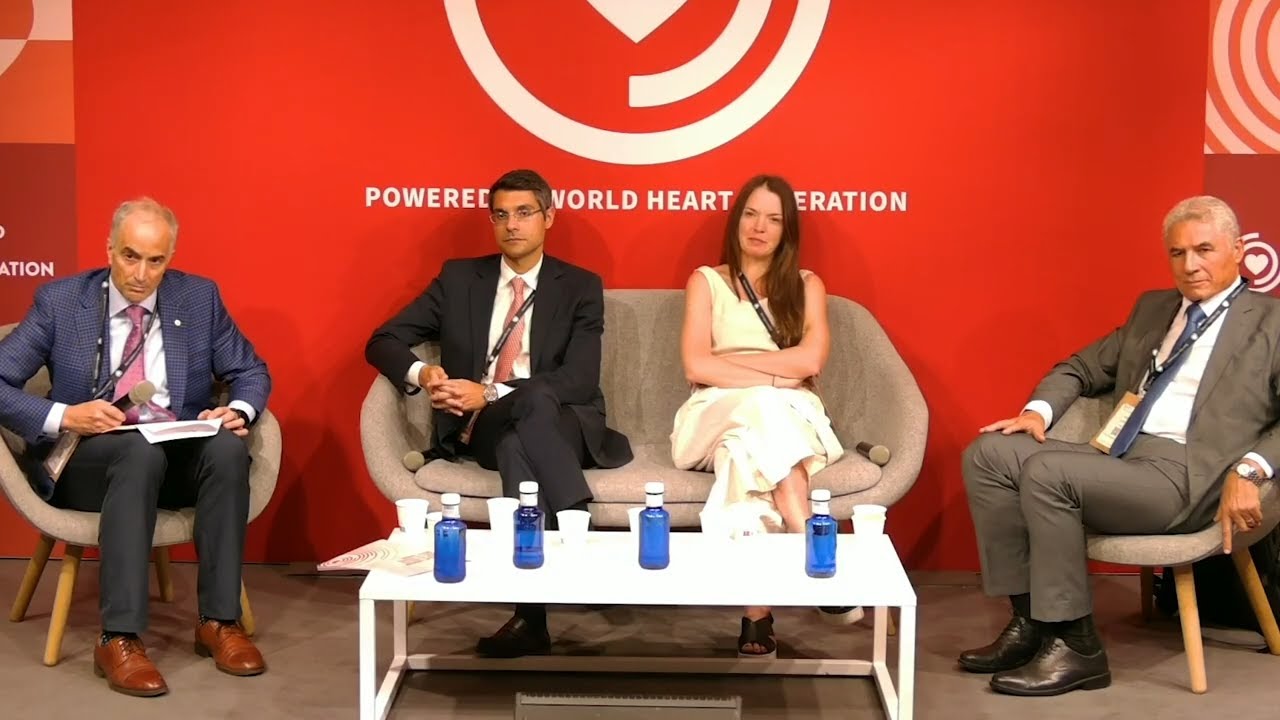
Améliorer la santé cardiovasculaire grâce aux traitements combinés en un seul comprimé — Lancement de la feuille de route « SPC » de la WHF
Moments forts de la session
Dans cette discussion organisée dans le cadre du « Heart Café » de la WHF, le modérateurTom Gaziano(Brigham & Women’s/Harvard) s’entretient avecEnrico G. Ferro,Adrianna Murphy etHabib Gamra— avec la participation des « Emerging Leaders » de la WHF — au sujet de la généralisationdes associations médicamenteuses en un seul comprimé (SPC)pour la prévention cardiovasculaire et la prévention secondaire. Le panel passe en revue les données scientifiques relatives àl’observance et aux résultats, lafeuille de route de la WHF sur les SPC,le rapport coût-efficacité, ainsi que les voies pragmatiques pour garantirleur disponibilité, leur accessibilité financière et leur adoptiondans les systèmes de santé à revenus élevés, moyens et faibles.
Points clés à retenir
Les preuves sont solides
Les SPC améliorentl'observance(≈10 % en valeur absolue en prévention primaire) et permettent une réduction significative dela pression artérielle systolique,du cholestérol LDL etdes événements cardiovasculaires majeurs, tant en prévention primaire qu'en prévention secondaire.
Des essais cliniques à l'usage essentiel
Les SPC et les « polypills » figurent sur les listes de médicaments essentiels ; la feuille de route de la WHF vise à transformer les données scientifiques issues des recommandations enpolitiqueset servicesconcrets.
Le rapport coût-efficacité est favorable
La modélisation montre que le coût marginal par QALY est faible par rapport à celui des comprimés vendus séparément ; les coûts globaux du système peuvent diminuer grâce àun approvisionnement simplifié, àun nombre réduit de références et àune délivrance couvrant plusieurs mois.
Trois obstacles, trois leviers
La disponibilité(obstacles réglementaires et liés à la chaîne d'approvisionnement),l'accessibilité financière(prix par rapport aux génériques ; achats groupés ; licences volontaires) etl'adoption(inertie des prescripteurs ; sensibilisation des patients) nécessitent une action coordonnée.
Les parcours de soins de première ligne sont essentiels
Intégrer les SPC dansles soins primaireset les parcours de soins cardiovasculairesgérés par des infirmières; s'aligner sur les protocoles de type HEARTS, le partage des tâches et l'aide à la décision afin d'atteindre les zones rurales et les régions mal desservies.
Susciter un « engouement » pour le secteur
Des signaux clairs de la partdes ministères de la Santé,des payeurs etdes associations nationales(listes de médicaments standardisées, engagements en termes de volume) font baisser les prix et facilitent l'entrée sur le marché.
Les « Emerging Leaders » de la WHF en action
Les projets présentés portent surla disponibilité(cartographie de la chaîne d'approvisionnement en Ouganda et au Nigeria),l'adoption(formation en ligne co-conçue à l'intention des prescripteurs au Kenya) etl'accessibilité financière(critères d'ajout des SPC aux listes nationales de médicaments essentiels).
À qui s'adresse cette série ?
Cardiologues, internistes, médecins généralistes, infirmiers, pharmaciens, organismes payeurs, décideurs politiques, responsables de la chaîne d'approvisionnement et défenseurs des causes liés àla prévention de l'hypertension et des maladies cardiovasculaires atheroscléreuses (ASCVD), àla prévention secondaire après un infarctus du myocarde, àla politique en matière de médicaments essentiels età l'intégration des systèmes de santédans les pays à revenus élevés, moyens et faibles.
Session sur les SPC (associations en un seul comprimé) – FAQ
- Qu'est-ce qu'une association en un seul comprimé (SPC) et pourquoi y recourir ?
- Un SPC associe des médicaments cardiovasculaires éprouvés (par exemple, des antihypertenseurs, des statines, des antiagrégants plaquettaires) en un seul comprimé afin d'améliorerl'observance thérapeutique, de contrôlerla tension artérielle et le cholestérol LDL, et de réduirele nombre d'événementspar rapport à la prise de plusieurs comprimés distincts.
- Les SPC sont-ils plus rentables que les médicaments génériques vendus séparément ?
- Oui, dans la plupart des cas. Malgré les variations de prix unitaires, la valeur globale s'améliore grâce à de meilleurs résultats, à une rationalisationdes achats, à une réduction de la charge administrativeliée à la délivrance des médicamentset à une diminution des ruptures de stock — en particulier grâce aux achats groupés et à la standardisation des listes de médicaments.
- Comment les pays peuvent-ils élargir rapidement l'accès ?
- Ajouter les médicaments essentiels prioritaires (SPC) auxlistes nationales de médicaments essentiels (EML)et aux paniers de soins ; recouriraux achats groupésetaux garanties de volume; harmoniser les exigencesréglementairesau niveau régional ; et adopterdes protocoles de soins primairesinspirés du programme HEARTS, prévoyant la délivrance de médicaments pour plusieurs mois.
- Comment surmonter l'inertie des prescripteurs et stimuler la demande ?
- Mettre en placedes formations en ligneet des outils d'aide à la décision concis et élaborés en collaboration avec les médecins généralistes et les infirmiers ; intégrer les résumés des caractéristiques du produit (RCP) dansles protocoles cliniqueset les lettres de sortie ; informer les patients surla commodité du traitement en un seul compriméet sur ses résultats ; et obtenir le soutien dessociétés nationales.