Hypercholestérolémie familiale
L'hypercholestérolémie familiale (HF) est une maladie génétique qui entraîne un taux élevéde cholestérol.
Elle touche environ 34 millions de personnes dans le monde. Si elle n'est pas traitée, l'hypercholestérolémie familiale (HF) peut entraîner l'apparition précocede maladies cardiaqueset de crises cardiaques.
L'hypercholestérolémie familiale est une maladie métabolique héréditaire qui touche toutes les races et toutes les origines ethniques.
Les personnes atteintes d’HF présentent des taux élevés de cholestérol des lipoprotéines de basse densité (LDL), parfois appelé « mauvais » cholestérol, en raison d’une mutation dans l’un des nombreux gènes responsables de la régulation et de l’élimination du cholestérol. Au fil du temps, l’excès de cholestérol s’accumule dans la circulation sanguine et peut finir par se déposer sur les parois des artères (un phénomène appelé athérosclérose). Une athérosclérose précoce, due à une exposition tout au long de la vie à des taux élevés de cholestérol, peut entraîner des crises cardiaques chez les jeunes adultes, voire chez les enfants.
L'hypercholestérolémie familiale est une maladie largement asymptomatique : elle ne provoque aucun symptôme. De ce fait, elle passe souvent inaperçue jusqu'à l'apparition de complications. Une fois diagnostiquée, son traitement n'est pas systématique et s'avère parfois sous-optimal, ce qui se traduit par un mauvais contrôle du taux de cholestérol. L'hypercholestérolémie familiale reste sous-diagnostiquée et sous-traitée dans le monde entier en raison d'une faible sensibilisation, tant au sein du grand public que parmi les professionnels de santé. Seuls10 %des personnes touchées ont connaissance de leur maladie et bénéficient d'un traitement adapté.
Personnes touchées par l'HF, 2021
Passez la souris sur les pays pour voir le nombre estimé de personnes atteintes d'HF
Source : Données issues de l'enquête de cartographie par pays menée par la Fédération mondiale du cœur et FH Europe, telles que communiquées par les répondants et les organisations nationales
-
Albanie
- Prévalence estimée de l'HF
- 1 personne sur moins de 250
- Nombre total estimé de personnes atteintes de FH
- 1%
- Pourcentage de personnes diagnostiquées qui bénéficient d'un traitement
- 1%
-
Argentine
- Prévalence estimée de l'HF
- 1 personne sur 250 et 300
- Nombre total estimé de personnes atteintes de FH
- 5%
- Pourcentage de personnes diagnostiquées qui bénéficient d'un traitement
- 50%
-
Australie
- Prévalence estimée de l'HF
- 1 personne sur 250 et 300
- Nombre total estimé de personnes atteintes de FH
- 5%
- Pourcentage de personnes diagnostiquées qui bénéficient d'un traitement
- 80%
-
Autriche
- Prévalence estimée de l'HF
- 1 personne sur 250 et 300
- Nombre total estimé de personnes atteintes de FH
- 15%
- Pourcentage de personnes diagnostiquées qui bénéficient d'un traitement
- 85%
-
Bahreïn
- Prévalence estimée de l'HF
- 1 personne sur 250 et 300
- Nombre total estimé de personnes atteintes de FH
- 31 à 45 %
- Pourcentage de personnes diagnostiquées qui bénéficient d'un traitement
- 40 à 55 %
-
Belgique
- Prévalence estimée de l'HF
- 1 personne sur 250
- Nombre total estimé de personnes atteintes de FH
- 21%
- Pourcentage de personnes diagnostiquées qui bénéficient d'un traitement
- 21%
-
Bénin
- Prévalence estimée de l'HF
- 1 personne sur moins de 250
- Nombre total estimé de personnes atteintes de FH
- 2%
- Pourcentage de personnes diagnostiquées qui bénéficient d'un traitement
- 2%
-
Bosnie-Herzégovine
- Prévalence estimée de l'HF
- 1 personne sur moins de 250
- Nombre total estimé de personnes atteintes de FH
- 4%
- Pourcentage de personnes diagnostiquées qui bénéficient d'un traitement
- 2%
-
Brésil
- Prévalence estimée de l'HF
- 1 personne sur 263
- Nombre total estimé de personnes atteintes de FH
- 1%
- Pourcentage de personnes diagnostiquées qui bénéficient d'un traitement
- 25%
-
Bulgarie
- Prévalence estimée de l'HF
- 1 personne sur 250
- Nombre total estimé de personnes atteintes de FH
- 30%
- Pourcentage de personnes diagnostiquées qui bénéficient d'un traitement
- 50%
-
Cambodge
- Prévalence estimée de l'HF
- 1 personne sur 250
- Nombre total estimé de personnes atteintes de FH
- 25%
- Pourcentage de personnes diagnostiquées qui bénéficient d'un traitement
- 40%
-
Canada
- Prévalence estimée de l'HF
- 1 personne sur 250 et 300
- Nombre total estimé de personnes atteintes de FH
- 10%
- Pourcentage de personnes diagnostiquées qui bénéficient d'un traitement
- 75%
-
Chili
- Prévalence estimée de l'HF
- 1 personne sur 250
- Nombre total estimé de personnes atteintes de FH
- 1%
- Pourcentage de personnes diagnostiquées qui bénéficient d'un traitement
- 90%
-
Chine
- Prévalence estimée de l'HF
- 1 personne sur moins de 250
- Nombre total estimé de personnes atteintes de FH
- 1%
- Pourcentage de personnes diagnostiquées qui bénéficient d'un traitement
- 50%
-
Colombie
- Prévalence estimée de l'HF
- 1 personne sur 160
- Nombre total estimé de personnes atteintes de FH
- 10%
- Pourcentage de personnes diagnostiquées qui bénéficient d'un traitement
- 5%
-
Côte d'Ivoire
- Prévalence estimée de l'HF
- N/A
- Nombre total estimé de personnes atteintes de FH
- 0%
- Pourcentage de personnes diagnostiquées qui bénéficient d'un traitement
- 0%
-
Croatie
- Prévalence estimée de l'HF
- 1 personne sur 250
- Nombre total estimé de personnes atteintes de FH
- 3%
- Pourcentage de personnes diagnostiquées qui bénéficient d'un traitement
- 3%
-
Chypre
- Prévalence estimée de l'HF
- 1 personne sur 250
- Nombre total estimé de personnes atteintes de FH
- 10%
- Pourcentage de personnes diagnostiquées qui bénéficient d'un traitement
- 85%
-
République tchèque
- Prévalence estimée de l'HF
- 1 personne sur 250
- Nombre total estimé de personnes atteintes de FH
- 16%
- Pourcentage de personnes diagnostiquées qui bénéficient d'un traitement
- 98%
-
Égypte
- Prévalence estimée de l'HF
- 1 personne sur 250 et 300
- Nombre total estimé de personnes atteintes de FH
- 10%
- Pourcentage de personnes diagnostiquées qui bénéficient d'un traitement
- 20%
-
Estonie
- Prévalence estimée de l'HF
- 1 personne sur 250
- Nombre total estimé de personnes atteintes de FH
- 2%
- Pourcentage de personnes diagnostiquées qui bénéficient d'un traitement
- 36%
-
Terres australes et antarctiques françaises
- Prévalence estimée de l'HF
- 1 personne sur 250 et 300
- Nombre total estimé de personnes atteintes de FH
- 10 à 12 %
- Pourcentage de personnes diagnostiquées qui bénéficient d'un traitement
- 80 à 85 %
-
Allemagne
- Prévalence estimée de l'HF
- 1 personne sur 250 et 300
- Nombre total estimé de personnes atteintes de FH
- 5 à 10 %
- Pourcentage de personnes diagnostiquées qui bénéficient d'un traitement
- 27 à 80 %
-
Grèce
- Prévalence estimée de l'HF
- 1 personne sur 250 et 300
- Nombre total estimé de personnes atteintes de FH
- 35%
- Pourcentage de personnes diagnostiquées qui bénéficient d'un traitement
- 80%
-
Hongrie
- Prévalence estimée de l'HF
- 1 personne sur 250
- Nombre total estimé de personnes atteintes de FH
- 15%
- Pourcentage de personnes diagnostiquées qui bénéficient d'un traitement
- 74%
-
Iran
- Prévalence estimée de l'HF
- 1 personne sur moins de 250
- Nombre total estimé de personnes atteintes de FH
- < 10%
- Pourcentage de personnes diagnostiquées qui bénéficient d'un traitement
- 50 à 80 %
-
Irak
- Prévalence estimée de l'HF
- N/A
- Nombre total estimé de personnes atteintes de FH
- 30%
- Pourcentage de personnes diagnostiquées qui bénéficient d'un traitement
- 85%
-
Irlande
- Prévalence estimée de l'HF
- 1 personne sur 250 et 300
- Nombre total estimé de personnes atteintes de FH
- 20%
- Pourcentage de personnes diagnostiquées qui bénéficient d'un traitement
- 20%
-
Italie
- Prévalence estimée de l'HF
- 1 personne sur moins de 250
- Nombre total estimé de personnes atteintes de FH
- 5%
- Pourcentage de personnes diagnostiquées qui bénéficient d'un traitement
- 95%
-
Japon
- Prévalence estimée de l'HF
- 1 personne sur 250
- Nombre total estimé de personnes atteintes de FH
- 42%
- Pourcentage de personnes diagnostiquées qui bénéficient d'un traitement
- 23%
-
Kazakhstan
- Prévalence estimée de l'HF
- 1 personne sur moins de 250
- Nombre total estimé de personnes atteintes de FH
- 1%
- Pourcentage de personnes diagnostiquées qui bénéficient d'un traitement
- 5%
-
Kosovo
- Prévalence estimée de l'HF
- N/A
- Nombre total estimé de personnes atteintes de FH
- 10%
- Pourcentage de personnes diagnostiquées qui bénéficient d'un traitement
- 70%
-
Koweït
- Prévalence estimée de l'HF
- 1 personne sur 250 et 300
- Nombre total estimé de personnes atteintes de FH
- 7%
- Pourcentage de personnes diagnostiquées qui bénéficient d'un traitement
- 3%
-
Kirghizistan
- Prévalence estimée de l'HF
- 1 personne sur 500
- Nombre total estimé de personnes atteintes de FH
- 2%
- Pourcentage de personnes diagnostiquées qui bénéficient d'un traitement
- 26%
-
Lettonie
- Prévalence estimée de l'HF
- 1 personne sur 250
- Nombre total estimé de personnes atteintes de FH
- 4 à 5,5 %
- Pourcentage de personnes diagnostiquées qui bénéficient d'un traitement
- 4 à 60 %
-
Lituanie
- Prévalence estimée de l'HF
- 1 personne sur moins de 250
- Nombre total estimé de personnes atteintes de FH
- 15%
- Pourcentage de personnes diagnostiquées qui bénéficient d'un traitement
- 50%
-
Luxembourg
- Prévalence estimée de l'HF
- 1 personne sur 250
- Nombre total estimé de personnes atteintes de FH
- 6%
- Pourcentage de personnes diagnostiquées qui bénéficient d'un traitement
- 50%
-
Macédoine du Nord
- Prévalence estimée de l'HF
- 1 personne sur moins de 250
- Nombre total estimé de personnes atteintes de FH
- 1%
- Pourcentage de personnes diagnostiquées qui bénéficient d'un traitement
- 1%
-
Malaisie
- Prévalence estimée de l'HF
- 1 personne sur 244 à 250
- Nombre total estimé de personnes atteintes de FH
- 2%
- Pourcentage de personnes diagnostiquées qui bénéficient d'un traitement
- 52%
-
Malte
- Prévalence estimée de l'HF
- N/A
- Nombre total estimé de personnes atteintes de FH
- 5%
- Pourcentage de personnes diagnostiquées qui bénéficient d'un traitement
- 100%
-
Mexique
- Prévalence estimée de l'HF
- 1 personne sur 250 et 300
- Nombre total estimé de personnes atteintes de FH
- 1 à 5 %
- Pourcentage de personnes diagnostiquées qui bénéficient d'un traitement
- 50%
-
Monténégro
- Prévalence estimée de l'HF
- 1 personne sur 250 et 300
- Nombre total estimé de personnes atteintes de FH
- 25%
- Pourcentage de personnes diagnostiquées qui bénéficient d'un traitement
- 5%
-
Pays-Bas
- Prévalence estimée de l'HF
- 1 personne sur 250
- Nombre total estimé de personnes atteintes de FH
- 55%
- Pourcentage de personnes diagnostiquées qui bénéficient d'un traitement
- 45 à 92 %
-
Nouvelle-Zélande
- Prévalence estimée de l'HF
- 1 personne sur 250 et 300
- Nombre total estimé de personnes atteintes de FH
- 2%
- Pourcentage de personnes diagnostiquées qui bénéficient d'un traitement
- 2%
-
Nigéria
- Prévalence estimée de l'HF
- N/A
- Nombre total estimé de personnes atteintes de FH
- 1 à 5 %
- Pourcentage de personnes diagnostiquées qui bénéficient d'un traitement
- 1 à 50 %
-
Oman
- Prévalence estimée de l'HF
- 1 personne sur moins de 250
- Nombre total estimé de personnes atteintes de FH
- 2%
- Pourcentage de personnes diagnostiquées qui bénéficient d'un traitement
- 100%
-
Pakistan
- Prévalence estimée de l'HF
- 1 personne sur 500
- Nombre total estimé de personnes atteintes de FH
- N/A
- Pourcentage de personnes diagnostiquées qui bénéficient d'un traitement
- N/A
-
Philippines
- Prévalence estimée de l'HF
- 1 personne sur 500
- Nombre total estimé de personnes atteintes de FH
- N/A
- Pourcentage de personnes diagnostiquées qui bénéficient d'un traitement
- 80%
-
Pologne
- Prévalence estimée de l'HF
- 1 personne sur moins de 250
- Nombre total estimé de personnes atteintes de FH
- 2%
- Pourcentage de personnes diagnostiquées qui bénéficient d'un traitement
- 90%
-
Portugal
- Prévalence estimée de l'HF
- 1 personne sur 250 et 1 personne sur 500
- Nombre total estimé de personnes atteintes de FH
- 10%
- Pourcentage de personnes diagnostiquées qui bénéficient d'un traitement
- 10%
-
République dominicaine
- Prévalence estimée de l'HF
- N/A
- Nombre total estimé de personnes atteintes de FH
- 5%
- Pourcentage de personnes diagnostiquées qui bénéficient d'un traitement
- 20%
-
Roumanie
- Prévalence estimée de l'HF
- N/A
- Nombre total estimé de personnes atteintes de FH
- 5%
- Pourcentage de personnes diagnostiquées qui bénéficient d'un traitement
- 50%
-
Fédération de Russie
- Prévalence estimée de l'HF
- 1 personne sur moins de 250
- Nombre total estimé de personnes atteintes de FH
- 1%
- Pourcentage de personnes diagnostiquées qui bénéficient d'un traitement
- 50%
-
Arabie saoudite
- Prévalence estimée de l'HF
- 1 personne sur 112
- Nombre total estimé de personnes atteintes de FH
- 3%
- Pourcentage de personnes diagnostiquées qui bénéficient d'un traitement
- 62%
-
Sierra Leone
- Prévalence estimée de l'HF
- N/A
- Nombre total estimé de personnes atteintes de FH
- 1%
- Pourcentage de personnes diagnostiquées qui bénéficient d'un traitement
- 1%
-
Slovaquie
- Prévalence estimée de l'HF
- 1 personne sur 250 et 300
- Nombre total estimé de personnes atteintes de FH
- 6%
- Pourcentage de personnes diagnostiquées qui bénéficient d'un traitement
- 87%
-
Slovénie
- Prévalence estimée de l'HF
- 1 personne sur 250 et 300
- Nombre total estimé de personnes atteintes de FH
- 20%
- Pourcentage de personnes diagnostiquées qui bénéficient d'un traitement
- N/A
-
Afrique du Sud
- Prévalence estimée de l'HF
- 1 personne sur 500 (avec une prévalence plus élevée dans les sous-populations présentant des effets de fondateur)
- Nombre total estimé de personnes atteintes de FH
- 5%
- Pourcentage de personnes diagnostiquées qui bénéficient d'un traitement
- 96%
-
Espagne
- Prévalence estimée de l'HF
- 1 personne sur moins de 250
- Nombre total estimé de personnes atteintes de FH
- 25%
- Pourcentage de personnes diagnostiquées qui bénéficient d'un traitement
- 82%
-
Suède
- Prévalence estimée de l'HF
- 1 personne sur 250 et 300
- Nombre total estimé de personnes atteintes de FH
- 21%
- Pourcentage de personnes diagnostiquées qui bénéficient d'un traitement
- 39%
-
Suisse
- Prévalence estimée de l'HF
- 1 personne sur 125 à 135
- Nombre total estimé de personnes atteintes de FH
- 3%
- Pourcentage de personnes diagnostiquées qui bénéficient d'un traitement
- 60%
-
Tanzanie
- Prévalence estimée de l'HF
- N/A
- Nombre total estimé de personnes atteintes de FH
- 0%
- Pourcentage de personnes diagnostiquées qui bénéficient d'un traitement
- 0%
-
Thaïlande
- Prévalence estimée de l'HF
- 1 personne sur 300
- Nombre total estimé de personnes atteintes de FH
- 1%
- Pourcentage de personnes diagnostiquées qui bénéficient d'un traitement
- 90%
-
La Gambie
- Prévalence estimée de l'HF
- N/A
- Nombre total estimé de personnes atteintes de FH
- N/A
- Pourcentage de personnes diagnostiquées qui bénéficient d'un traitement
- 20%
-
Tunisie
- Prévalence estimée de l'HF
- 1 personne sur moins de 250
- Nombre total estimé de personnes atteintes de FH
- 50%
- Pourcentage de personnes diagnostiquées qui bénéficient d'un traitement
- 20%
-
Turquie
- Prévalence estimée de l'HF
- 1 personne sur moins de 250
- Nombre total estimé de personnes atteintes de FH
- 12%
- Pourcentage de personnes diagnostiquées qui bénéficient d'un traitement
- 28%
-
Ouganda
- Prévalence estimée de l'HF
- N/A
- Nombre total estimé de personnes atteintes de FH
- 5%
- Pourcentage de personnes diagnostiquées qui bénéficient d'un traitement
- 3%
-
Ukraine
- Prévalence estimée de l'HF
- 1 personne sur moins de 250
- Nombre total estimé de personnes atteintes de FH
- 1%
- Pourcentage de personnes diagnostiquées qui bénéficient d'un traitement
- 99%
-
Émirats arabes unis
- Prévalence estimée de l'HF
- 1 personne sur 250
- Nombre total estimé de personnes atteintes de FH
- 40%
- Pourcentage de personnes diagnostiquées qui bénéficient d'un traitement
- 40%
-
Îles Falkland / Malouines
- Prévalence estimée de l'HF
- 1 personne sur 250
- Nombre total estimé de personnes atteintes de FH
- 5%
- Pourcentage de personnes diagnostiquées qui bénéficient d'un traitement
- 100%
-
États-Unis
- Prévalence estimée de l'HF
- 1 personne sur 250
- Nombre total estimé de personnes atteintes de FH
- 15%
- Pourcentage de personnes diagnostiquées qui bénéficient d'un traitement
- 65%
-
Uruguay
- Prévalence estimée de l'HF
- 1 personne sur 250 et 300
- Nombre total estimé de personnes atteintes de FH
- 2 à 10 %
- Pourcentage de personnes diagnostiquées qui bénéficient d'un traitement
- 9 à 10 %
-
Venezuela
- Prévalence estimée de l'HF
- 1 personne sur 250 et 300
- Nombre total estimé de personnes atteintes de FH
- 1%
- Pourcentage de personnes diagnostiquées qui bénéficient d'un traitement
- 30%
-
Vietnam
- Prévalence estimée de l'HF
- N/A
- Nombre total estimé de personnes atteintes de FH
- 1%
- Pourcentage de personnes diagnostiquées qui bénéficient d'un traitement
- 10%
-
Yémen
- Prévalence estimée de l'HF
- 1 personne sur 250 et 300
- Nombre total estimé de personnes atteintes de FH
- 11%
- Pourcentage de personnes diagnostiquées qui bénéficient d'un traitement
- 6%
-
Zambie
- Prévalence estimée de l'HF
- N/A
- Nombre total estimé de personnes atteintes de FH
- 30%
- Pourcentage de personnes diagnostiquées qui bénéficient d'un traitement
- 30%
-
Zimbabwe
- Prévalence estimée de l'HF
- N/A
- Nombre total estimé de personnes atteintes de FH
- 5%
- Pourcentage de personnes diagnostiquées qui bénéficient d'un traitement
- 50%
Qu'est-ce que le cholestérol ?
Le cholestérol est une substance cireuse, semblable à une graisse, présente dans le sang. Le foie produit du cholestérol ou réutilise celui provenant d’autres sources : le cholestérol alimentaire et les graisses saturées, le cholestérol transporté par le sang, ou encore celui réabsorbé à partir de la bile provenant du tube digestif.
Le cholestérol est essentiel au bon fonctionnement de l'organisme, qui en a besoin pour fabriquer des cellules saines et produire de la vitamine D ainsi que d'autres hormones. Cependant, un excès de cholestérol peut entraîner de graves problèmes, notamment des maladies cardiaques et des AVC.
L'hypercholestérolémieest l'un desprincipaux facteurs de risquede maladies cardiaques, de crise cardiaque et d'accident vasculaire cérébral.
Le rôle du cholestérol dans l'hypercholestérolémie familiale (HF)
Le cholestérol circule dans le sang sous forme de complexes avec des protéines. Ce complexe de protéines et de cholestérol est appelé « lipoprotéine ». Il existe différents types de cholestérol, en fonction de la nature de la lipoprotéine qui le transporte, notamment les lipoprotéines de basse densité (LDL) et les lipoprotéines de haute densité (HDL), entre autres.
Le cholestérol LDLest parfois qualifié de « mauvais » cholestérol, car il peut s'accumuler à l'intérieur de nos artères, provoquant leur durcissement et leur rétrécissement (un processus appelé athérosclérose) et limitant ainsi la circulation sanguine. Cela peut, à terme, entraîner une crise cardiaque ou un AVC.
Le cholestérol HDLest souvent qualifié de « bon » cholestérol, car il évacue l'excès de cholestérol de nos artères pour le ramener vers le foie, où il est dégradé puis éliminé de l'organisme. Un taux sain de cholestérol HDL peut protéger contre les crises cardiaques et les AVC.
Les personnes atteintes d'hypercholestérolémie familiale (HF) sont incapables de réguler correctement et d'éliminer l'excès de « mauvais » cholestérol de la circulation sanguine. Au fil du temps, le cholestérol s'accumule et se dépose sur les parois des artères, ce qui entraîne l'apparition prématurée de maladies cardiovasculaires.
Comment se transmet l'HF ?
L'HF est une maladie héréditaire. En règle générale, les parents porteurs d'une mutation pathogène ont 50 % de chances de transmettre la maladie à chacun de leurs enfants. Il est donc essentiel de procéder à un dépistage chez les proches de premier et deuxième degrés (c'est-à-dire les parents, les frères et sœurs, les enfants, les oncles et tantes, les nièces et neveux, ainsi que les grands-parents) d'une personne chez qui l'HF a été diagnostiquée, afin d'identifier les autres membres de la famille susceptibles d'avoir hérité de cette maladie.
Les personnes ayant hérité d'une seule mutation développent une hypercholestérolémie familiale hétérozygote (HeFH), la forme la plus courante d'hypercholestérolémie familiale. En revanche, celles qui ont hérité de deux mutations anormales développent une hypercholestérolémie familiale homozygote (HoFH), une forme particulièrement rare et potentiellement mortelle d'hypercholestérolémie familiale, caractérisée par des taux extrêmement élevés de cholestérol sanguin.
Diagnostic
L'HF est très sous-diagnostiquée. À l'heure actuelle, seuls 10 % des personnes nées avec une HF ont été diagnostiquées dans le monde. Cela résulte directement d'un manque de sensibilisation et d'information au sein du grand public et de la communauté médicale. De plus, de nombreuses personnes atteintes d'HF ne présentent aucun symptôme visible et ne consultent donc pas.
Un diagnostic précoce et un traitement à vie de l'HF réduisent le risque de maladies cardiovasculaires précoces et de crises cardiaques.
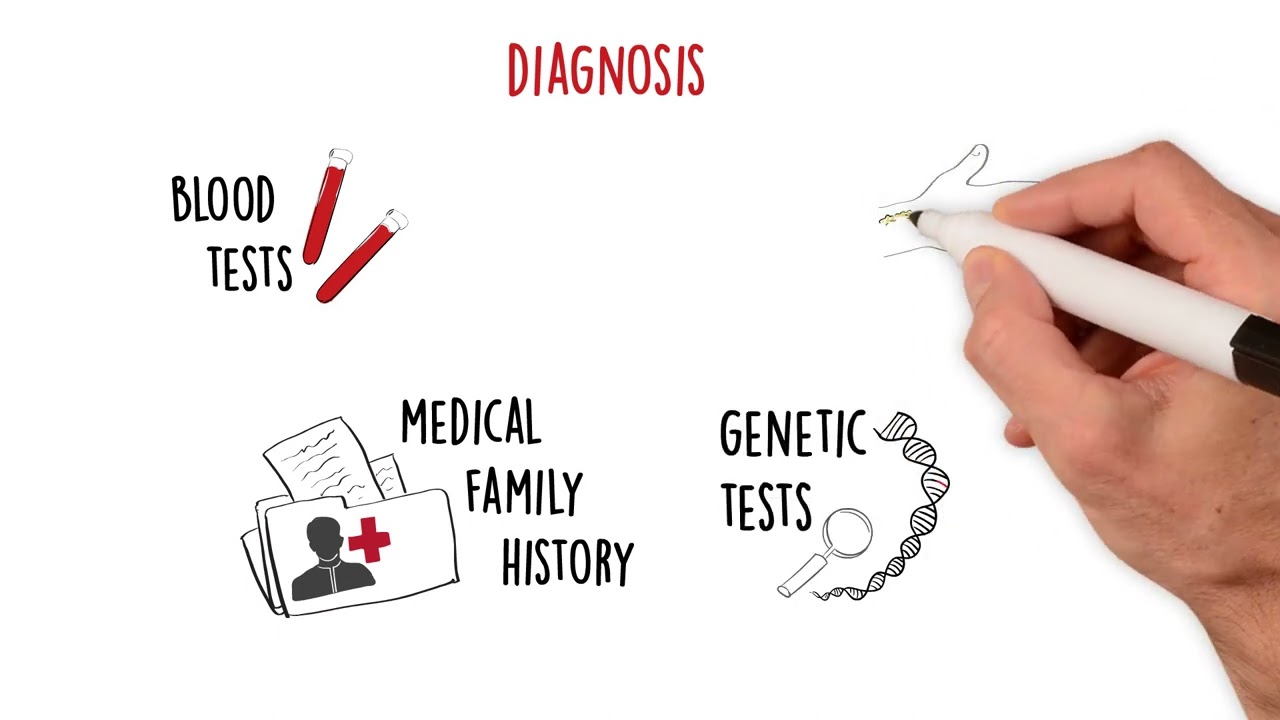
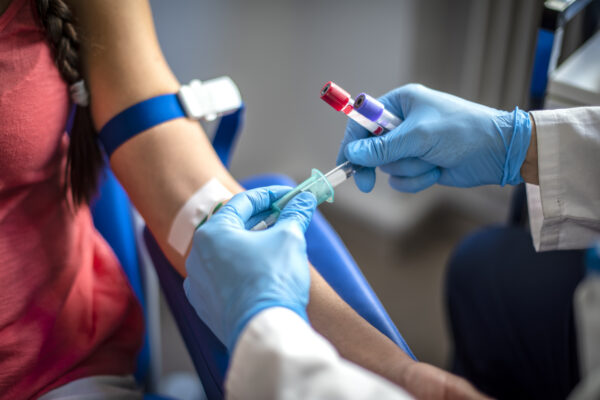
L'HF peut être diagnostiquée à l'aide d'une simple analyse sanguine et d'un ensemble de critères diagnostiques. Certains patients non traités peuvent également développer une affection cutanée caractéristique appelée xanthome, provoquée par une accumulation de graisse sous la surface de la peau. Dans certains cas, le diagnostic de l'HF peut également être confirmé par un test génétique.
Traitement
Les hommes et les femmes atteints d'HF hétérozygote et non traités présenteront généralement un accident cardiovasculaire entre 30 et 50 ans et entre 40 et 60 ans, respectivement. En revanche, les personnes atteintes d'HF homozygote présenteront un accident cardiovasculaire pendant l'enfance ou l'adolescence et décéderont avant l'âge de 30 ans si elles ne sont pas traitées.
Les hommes et les femmes atteints d'HF hétérozygote et non traités présenteront généralement un accident cardiovasculaire entre 30 et 50 ans et entre 40 et 60 ans, respectivement. En revanche, les personnes atteintes d'HF homozygote présenteront un accident cardiovasculaire pendant l'enfance ou l'adolescence et décéderont avant l'âge de 30 ans si elles ne sont pas traitées.
Les personnes atteintes d’HF peuvent vivre plus longtemps et en meilleure santé si le traitement est instauré dès le plus jeune âge. Dans le cas de l’HF, les changements de mode de vie et les mesures diététiques ne suffisent pas. Les patients auront toujours besoin de traitements hypocholestérolémiants. Le traitement médicamenteux de l’HF vise principalement à réduire les taux extrêmement élevés de cholestérol LDL. Cela permet de diminuer le risque de crise cardiaque et de décès. De nombreuses personnes atteintes d’HF devront prendre plusieurs médicaments pour contrôler leur taux de cholestérol LDL. Les médicaments hypocholestérolémiants classiques agissent en bloquant la capacité du foie à produire du cholestérol, en empêchant l’absorption du cholestérol au niveau de l’intestin ou en augmentant la captation du cholestérol dans le sang.
Ces dernières années, un certain nombre de nouveaux médicaments (aux mécanismes d'action variés) ont été découverts et mis sur le marché. La plupart des nouveaux traitements et interventions médicales sont généralement coûteux et/ou nécessitent d'importantes ressources. Il convient donc de garantir à tous les patients l'accessibilité, la disponibilité et le caractère abordable de médicaments et de soins de haute qualité.
Appel mondial à l'action sur l'hépatite F
En 1998,l'Organisation mondiale de la santé (OMS) aofficiellement reconnu l'hypercholestérolémie familialecomme un problème de santé publique mondial et a publié une série de 11 recommandations visant à lutter contre ce fléau. Au cours des deux dernières décennies, d'énormes progrès scientifiques ont été réalisés dans les domaines de la génétique, de la lipidologie, de la cardiologie et du développement de médicaments. Malgré ces avancées, la mise en œuvre des recommandations de l'OMS s'est avérée largement insuffisante dans de nombreux pays et régions.
En janvier 2020, des représentants de la communauté mondiale de l'HCF ont publié unappel mondial à l'actionet ont mis en avant une nouvelle série de recommandations, dans neuf domaines prioritaires, visant à réduire le fardeau clinique et de santé publique lié à l'hypercholestérolémie familiale :
- Sensibiliser le public à l'HF
- Militer en faveur de la FH
- Dépistage, tests et diagnostic chez les personnes atteintes d'HF
- Prise en charge et traitement des patients atteints d'HF
- Garantir la prise en charge des patients atteints d'HF sévère et homozygote
- Élaborer des plans de prise en charge axés sur la famille pour les personnes atteintes d'HF
- Mettre en place des registres sur l'HF
- Mener des recherches et mettre en œuvre des programmes de santé familiale
- Comprendre l'intérêt et les coûts des interventions en matière de santé familiale
Dernières actualités sur le cholestérol

Plaider en faveur de la maîtrise du cholestérol : une boîte à outils de la Fédération mondiale du cœur
Risques liés au cholestérol et solutions : un guide pour améliorer la santé cardiovasculaire

Agir contre le cholestérol pour lutter contre les maladies cardiaques

Un appel mondial à l'action sur l'hypercholestérolémie familiale vise à améliorer le diagnostic et le traitement dans le monde entier
Bonnes pratiques – Article d'actualité

Présentation de la « Feuille de route sur le cholestérol » de la WHF lors du Sommet latino-américain sur le cholestérol, au Mexique

L'OMS lance un plan visant à éliminer les acides gras trans de synthèse de l'approvisionnement alimentaire mondial

La Fédération mondiale du cœur et l'Association philippine de cardiologie organisent une table ronde sur le cholestérol aux Philippines

La Fédération mondiale du cœur participe, aux côtés de ses membres, à une conférence de presse consacrée à la situation alarmante du cholestérol en Espagne